About Oaxaca
Here are some highlights about Oaxaca:
1. Oaxaca City (Capital)
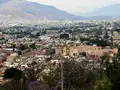 Colonial Architecture: Oaxaca City, the state’s capital, is known for its well-preserved colonial architecture. The historic center, a UNESCO World Heritage Site, features beautiful structures like the Santo Domingo Church and the nearby Ethnobotanical Garden.
Zócalo: This main square is the heart of the city, where locals and tourists gather to enjoy the lively atmosphere, street food, and musicians.
The capital city is a UNESCO World Heritage Site, famous for its well-preserved colonial architecture and cobblestone streets.
2. Cultural and Indigenous Heritage
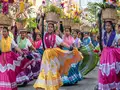 Indigenous Groups: Oaxaca is home to numerous indigenous groups, including the Zapotec and Mixtec, whose languages and traditions remain alive today.
Traditional Festivals: The Guelaguetza, a yearly festival held in July, is a vibrant celebration of indigenous culture through traditional dances, music, and colorful costumes.
3. Cuisine
Oaxacan Food: Oaxaca is often called the "Land of the Seven Moles" because of its diverse mole sauces, a staple in its cuisine.
 Tlayudas: A large, crispy tortilla typically topped with beans, cheese, and meat. Oaxaca is known for its unique and flavorful cuisine. Popular dishes include mole (complex sauces made from a variety of ingredients, including chocolate and chili), tlayudas (large, crispy tortillas with various toppings), and tamales.
Mezcal: Oaxaca is also the heart of mezcal production, a distilled alcoholic beverage made from the agave plant. Mezcal tours are popular, where visitors can learn about the production process and taste different varieties.
Chocolate: Oaxaca is renowned for its traditional chocolate, often consumed as a hot drink.
4. Artisanal Crafts
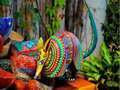 Oaxaca is famous for its handmade crafts, including textiles (woven rugs, embroidered clothing), alebrijes (colorful wooden animal carvings), and black pottery (from the town of San Bartolo Coyotepec).
Markets: The city has bustling markets like the Mercado Benito Juárez and Mercado 20 de Noviembre, where you can find traditional crafts, textiles, and regional foods.
5. Natural Attractions
Hierve el Agua: These are petrified waterfalls formed by mineral deposits, surrounded by natural infinity pools where visitors can swim while enjoying stunning mountain views.
Monte Albán: This ancient Zapotec city, located just outside Oaxaca City, is one of Mexico’s most important archaeological sites. It offers panoramic views and insights into pre-Hispanic life.
Mitla: Another important archaeological site, known for its intricate mosaic fretwork and designs, associated with Zapotec and Mixtec cultures.
 Beaches: On the Pacific coast, places like Puerto Escondido, Zipolite and Huatulco offer beautiful beaches, surfing spots, and opportunities for relaxation. Puerto Escondido is a world-renowned surfing destination, while Huatulco is famous for its pristine bays.
6. Festivals
Guelaguetza: One of Oaxaca’s most famous festivals, held in July, where indigenous communities come together to celebrate their culture through music, dance, and traditional dress.
Day of the Dead (Día de los Muertos): Oaxaca is one of the best places to experience this colorful and meaningful celebration, especially in the towns of Xoxocotlán and Etla, where altars, offerings, and elaborate sand tapestries are displayed.
7. Climate
Oaxaca has a diverse climate, ranging from the warm, tropical beaches of the Pacific Coast to the cooler highlands in the interior.