About Cancun.
 Cancún, located in the state of Quintana Roo on Mexico’s Yucatán Peninsula, is one of the most famous tourist destinations in the world. Known for its stunning white-sand beaches, turquoise waters of the Caribbean Sea, and vibrant nightlife, Cancún is a blend of natural beauty, history, and modern entertainment. Here’s an overview of Cancún, touching on its history, attractions, culture, and significance:
Overview of Cancún:
Location and Geography
Cancún is situated in southeastern Mexico, bordering the Caribbean Sea. It is part of the Riviera Maya, a long stretch of coastline known for its resorts, beaches, and archaeological sites.
The city is divided into two main areas: the Hotel Zone (Zona Hotelera) and the downtown area, referred to as El Centro. The Hotel Zone is a narrow strip of land shaped like a "7," with luxury resorts, restaurants, and nightclubs.
Climate
Cancún has a tropical climate, with warm weather year-round. It experiences a rainy season from May to October, with the possibility of hurricanes, while the dry season from November to April is the most popular time for tourism.
History of Cancún:
Ancient Mayan Roots
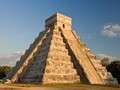
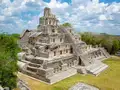
The region around Cancún was once inhabited by the ancient Maya civilization. Ruins and archaeological sites such as El Rey and El Meco in Cancún, and Chichén Itzá and Tulum nearby, are reminders of the area’s rich pre-Hispanic history.
Cancún’s name itself is derived from the Mayan word "Kaan Kun," which means "nest of snakes."
Development as a Tourist Destination
Cancún was developed as a tourist destination in the 1970s by the Mexican government, which identified its potential for attracting international visitors. Before then, it was a small fishing village with minimal infrastructure.
Since its development, Cancún has grown into one of the largest and most popular tourist destinations in Mexico and the world.
 Attractions and Activities:
Beaches and Water Activities
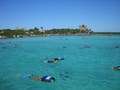
Playa Delfines and Playa Norte are some of Cancún’s most famous beaches, known for their white sand and clear waters. Visitors enjoy swimming, snorkeling, and sunbathing.
Water sports such as scuba diving, snorkeling, parasailing, and jet skiing are popular due to the vibrant coral reefs and abundant marine life.
The nearby Isla Mujeres offers a more laid-back beach experience and is a short ferry ride from Cancún.
Mayan Ruins and Cultural Sites
Chichén Itzá, one of the New Seven Wonders of the World, is about two hours from Cancún and offers a glimpse into the grandeur of the ancient Maya civilization. The El Castillo pyramid is the centerpiece of this UNESCO World Heritage site.
Tulum, another iconic Mayan site, is perched on cliffs overlooking the Caribbean Sea, offering breathtaking views combined with historical intrigue.
El Rey Ruins are smaller Mayan ruins located right in Cancún’s Hotel Zone, making them easily accessible for a quick cultural excursion.
 Cenotes
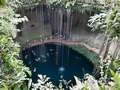
The Yucatán Peninsula is dotted with cenotes, natural sinkholes filled with fresh water. These were considered sacred by the Maya and today are popular for swimming, snorkeling, and diving. Cenotes like Ik Kil and Dos Ojos are famous for their beauty.
 Nightlife and Entertainment
Cancún is renowned for its lively nightlife, with world-class nightclubs such as Coco Bongo and Mandala offering a mix of shows, music, and dancing.
Bars and restaurants in the Hotel Zone cater to tourists with a wide variety of cuisines, from traditional Mexican fare to international dishes.
Luxury Resorts and Spas
Cancún’s Hotel Zone is home to a vast array of luxury resorts, offering all-inclusive packages, fine dining, spa treatments, and exclusive beachfront access. These resorts cater to both families and adults looking for relaxation or adventure.
Culture and Local Life
Local Cuisine
Cancún offers a mix of traditional Mexican dishes and international cuisine. Local food includes tacos al pastor, cochinita pibil (slow-roasted pork), ceviche, and empanadas. Street food and open-air markets like Mercado 28 in El Centro offer authentic local dining experiences.
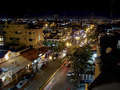
El Centro
While the Hotel Zone is geared towards tourists, El Centro provides a more authentic Mexican experience. Here, visitors can explore local markets, try regional dishes, and see traditional Mexican life beyond the resorts.
Culture and Festivals
Cancún celebrates Mexican traditions, with events like Dia de los Muertos (Day of the Dead) and local cultural festivals. Live music, dance performances, and art displays showcase the local culture and heritage.
Environmental and Cultural Preservation
 Ecotourism
Efforts have been made to promote ecotourism in the region, particularly in the surrounding natural areas like Sian Ka’an Biosphere Reserve and Isla Contoy, which offer birdwatching, wildlife tours, and sustainable tourism practices.
The nearby Mesoamerican Barrier Reef, the second-largest coral reef in the world, is a major focus of conservation efforts due to its importance to marine biodiversity and the local tourism industry.
Cancún is a vibrant destination that offers a perfect blend of natural beauty, history, culture, and modern luxury. From the ancient Mayan ruins to its crystal-clear waters and bustling nightlife, Cancún caters to every type of traveler. Whether you’re interested in relaxing on the beach, exploring ancient history, or diving into the rich culture of Mexico, Cancún provides an unforgettable experience with something for everyone.