Brief guide to Lake Neusiedl
Lake Neusiedl sits in eastern Austria, on the Hungarian border, and it's the largest endorheic lake in Central Europe. Closed-basin means no river carries its water out to sea. The lake is shallow and lined with reeds, and the surrounding land gets about 2,000 sunny hours a year, which makes this Austria's sunniest corner. Nature lovers come, and so do sailors and wine drinkers.
The lake spreads over more than 300 square kilometers and holds UNESCO World Heritage status for the way its culture and landscape sit together. Average depth comes to about 1.5 meters, so the water warms early and suits sailing, windsurfing, and kitesurfing. Swimming in summer is easy and unhurried. Some afternoons the surface goes glassy enough for a first lesson to feel calm, and the local sailing school keeps a pair of small dinghies for exactly that.
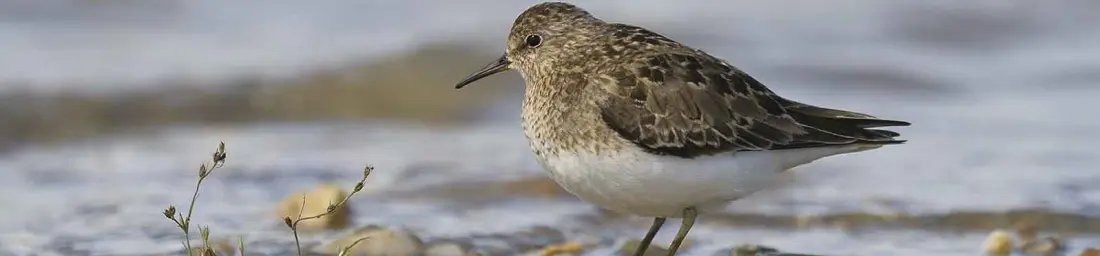
Reed beds ring the shore in a wide band, and that habitat is the reason more than 300 bird species nest here or pause on migration. The Neusiedler See-Seewinkel National Park, on the eastern shore, protects salt marshes, meadows, and wetlands where flamingos, storks, and herons turn up. Birders tend to arrive early with spotting scopes and stay for hours.
History runs through the villages around the water. Rust, Mörbisch, and Podersdorf each carry traces of centuries of Austro-Hungarian cohabitation. Mörbisch stages an operetta festival every summer on a floating stage with the lake behind it, and Rust is known for its stork colonies and small wine cellars tucked into old lanes.
Wine anchors the region's identity. The moderate climate and rich soil favor white grapes such as Welschriesling and Grüner Veltliner, along with sweet dessert wines like Ausbruch. A traditional Heuriger serves local food and drink, and many wineries welcome visitors for tastings. It's the kind of place where a cellar door stays open past the hour posted on the sign, and nobody seems to mind.
The terrain around the lake is flat, which makes for easy cycling. The Neusiedler See Cycle Trail forms a well-kept loop that circles the water and crosses into Hungary, with villages and vineyard views along the way. It's a route that suits committed riders and casual ones alike.
In winter, when the lake freezes, the surface becomes a broad, cold plain and locals take to ice skating and ice sailing.
Lake Neusiedl rewards the traveler who wants tradition, culture, and quiet in the same trip, and it does so without drama or crowds. The floating stage at Mörbisch seats 2,000 people under the open sky.