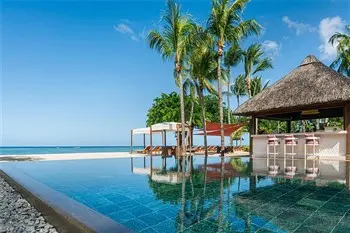
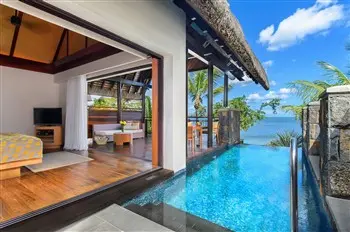
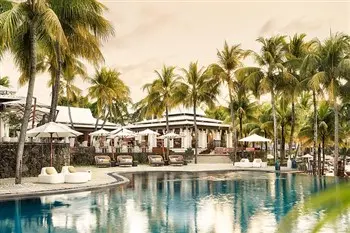
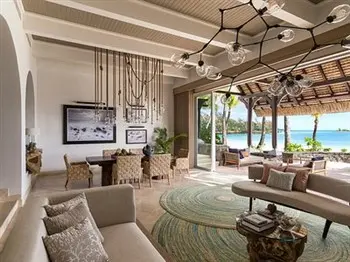
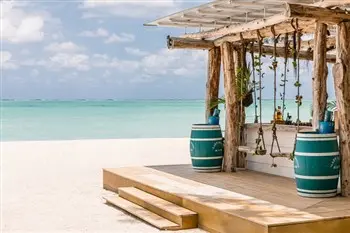
Mauritius sits about 2,000 kilometres off the southeast coast of Africa, and the flight from London takes around twelve hours. You land at Plaisance in the morning, and within forty minutes you can be on the sand at Belle Mare with a cold towel in your hand and your shoes in a bag.
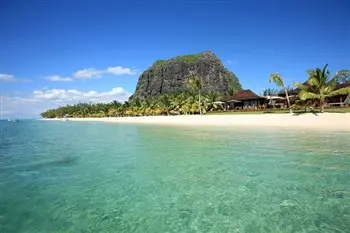
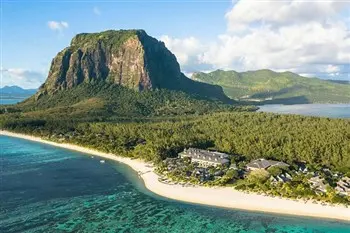
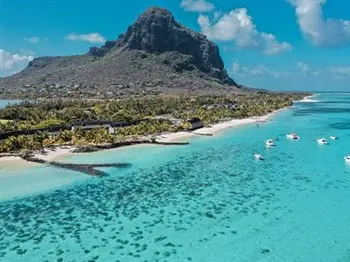
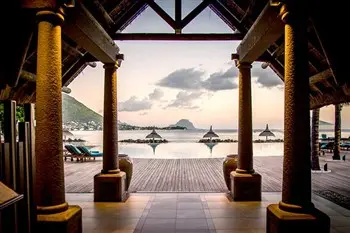
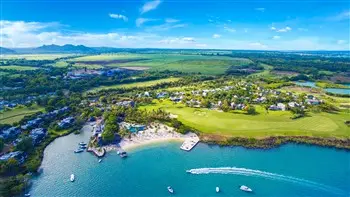
The island is small: 65 kilometres from north to south, 45 across at its widest. That compactness matters. You can breakfast on the west coast, lunch in the central plateau at Curepipe, and watch the sun go down over the lagoon at Trou d'Eau Douce without ever feeling hurried. The mountain you keep seeing in the background is Le Morne Brabant, a basalt peak that rises 556 metres straight out of the southwest corner and was listed as a UNESCO World Heritage Site in 2008.
What separates the island's best properties from its merely good ones isn't the thread count. It's the ratio of staff to guests, the depth of the lagoon in front of your suite, and how far the next building sits from your terrace.
Belle Mare and the East Coast
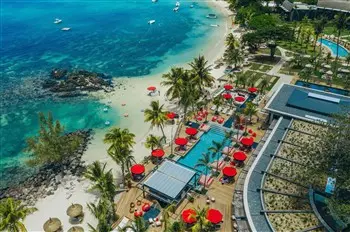
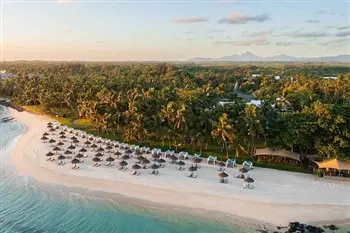
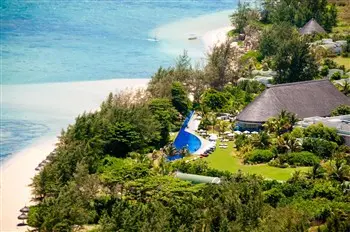
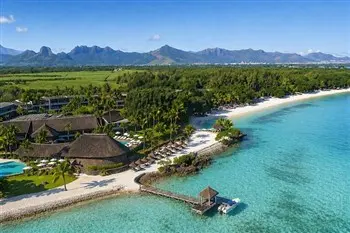
The east coast gets the trade winds, which keep the afternoons cooler than the west and make the water choppier in July and August. If you're a swimmer who likes flat water, aim for the shoulder months of April, May, October or November. Belle Mare's lagoon is wide and shallow, and the reef sits far enough out that you can wade for what feels like forever before the bottom drops away.
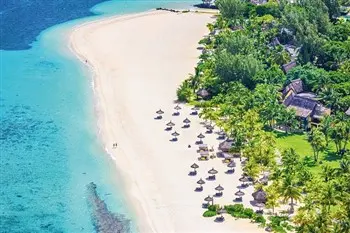
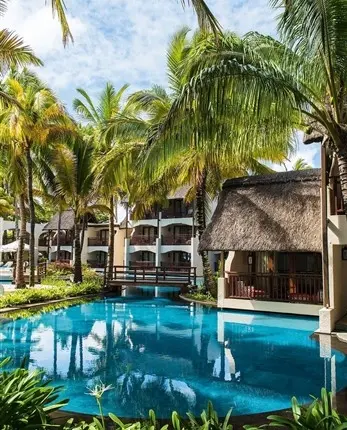
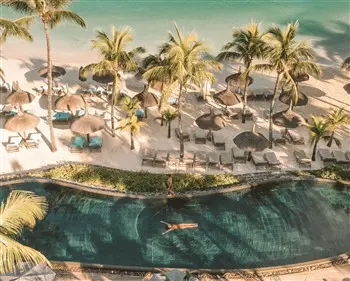
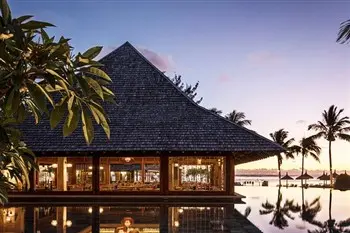
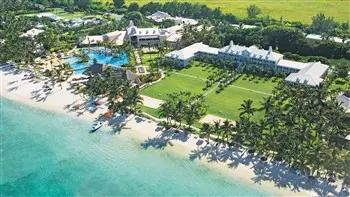
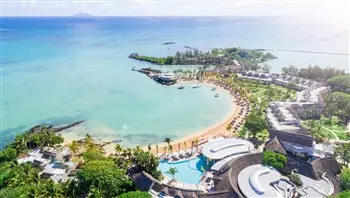
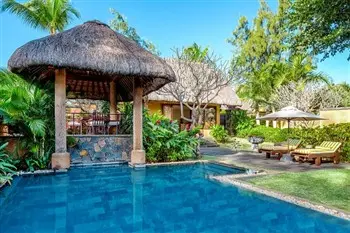
Several of the island's most established five-star properties sit along this stretch, most of them low-rise and set back behind casuarina trees. Rooms on the upper floors catch the breeze; ground-floor suites open straight onto lawns that run to the waterline. Ask for a corner unit if you can. The difference in privacy between a corner and a mid-block terrace is considerable.
The West Coast and Le Morne
Flic-en-Flac and the stretch south toward Le Morne face the sunset, and the water here is calmer through the winter months. Le Morne itself is where the island's kitesurfing happens, and the spectacle of forty kites in the air at once is worth an afternoon even if you never touch a board.
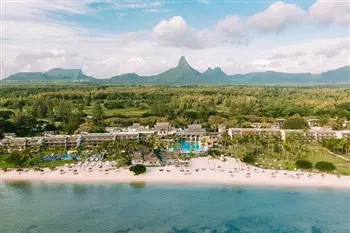
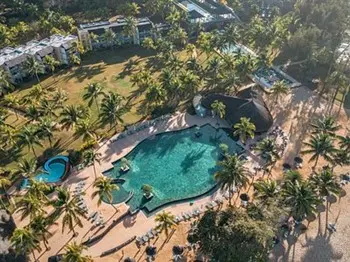
Resorts in this corner tend to be larger, with golf courses attached and spa menus that run to several pages. The peninsula setting gives you a view of the mountain from almost every sun lounger. Early mornings here are quiet enough that you can hear the reef breaking a kilometre offshore.
What the Best Properties Get Right
The service in Mauritius has a particular quality that's hard to describe without sounding sentimental. Staff tend to stay for years, and it shows in the way they remember how you take your coffee on the second morning. That continuity is the thing you're paying for at the top end.
Food is where the island has improved most in the past decade. You'll find Creole curries, freshly caught tuna, and Dholl puri from a roadside stall that costs less than a bottle of water at the resort bar. The best hotels now lean into local produce rather than importing everything from France, and the menus are better for it.
Choosing Between Them
If you want seclusion, go east. The resorts around Belle Mare and Palmar are spread out, the beaches are long, and the nearest village is a short drive rather than a stroll. If you'd rather have options within walking distance, the west coast gives you more: restaurants, a marina, and boats leaving for dolphin trips at dawn.
Families tend to gravitate west, where the water is calmer and the resorts run supervised kids' clubs through the school holidays. Couples looking for quiet usually do better in the east, particularly outside the July and August peak when European families arrive in numbers. This is worth thinking about carefully, because the difference in atmosphere between the two coasts in high season is striking.
The best way to judge a Mauritian resort is to walk to the far end of its beach and see whether anyone stops you.
A week is the minimum that makes sense given the flight time. Ten days is better. You'll want at least two of them to do nothing at all.
Book through a specialist rather than direct if you're travelling in peak season. Rates at the top properties climb sharply from mid-December to early January, and the difference between booking in March and booking in September for the same dates can be substantial. Air Mauritius and British Airways both fly the route from Heathrow, with the BA service running overnight in both directions.
Sunscreen, incidentally, is worth buying before you fly. The Mauritian sun at midday in November is stronger than it looks, and the reef-safe brands stocked in resort shops run to about three times what you'd pay at home.
The island's currency is the rupee, and taxis don't run on meters, so agree the fare before you get in. Most hotels will arrange a car and driver for a full day of sightseeing for a set rate. The botanical garden at Pamplemousses is worth half a morning, and the rum distillery on the central plateau makes a decent stop on the way back.
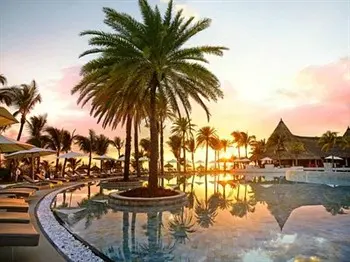
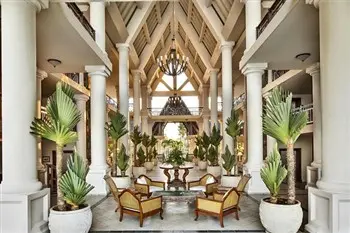
At the top end you're paying for space: wide beaches, long lagoons, and grounds laid out so that a full house never feels crowded. The five-star properties here understand that, and it shows in the pacing of dinner as much as in the architecture.
Pack a light layer for the evenings between June and September. The temperature drops to around 18°C after dark, and the breeze off the water carries a chill. The beach towels at most resorts are the size of a small blanket, and the pool closes at seven.