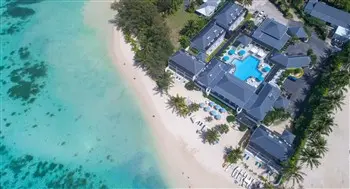
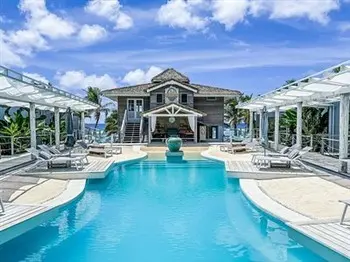
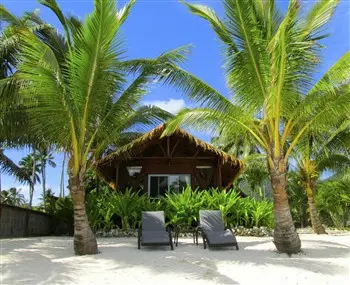
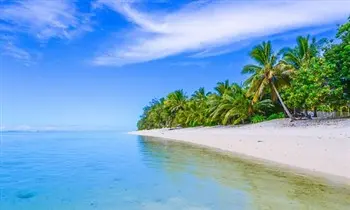
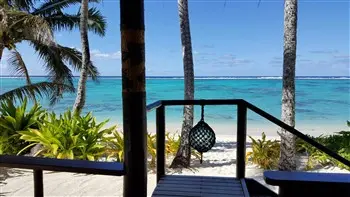
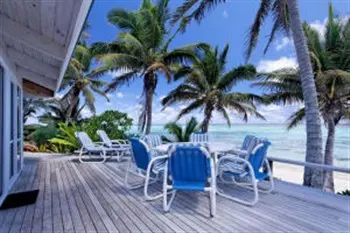
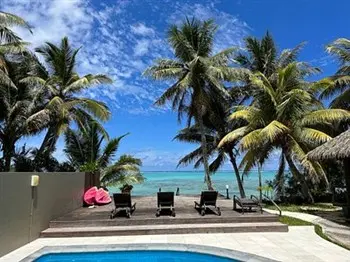
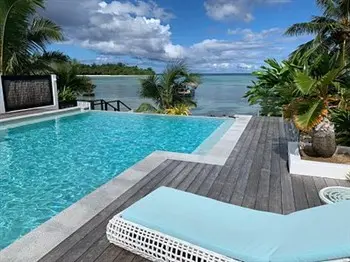

Rarotonga's ring road takes about forty minutes to drive all the way round. That's the first thing you notice about the Cook Islands: everything sits within easy reach of everything else, and the beaches run for seven kilometres along the south coast without a single stretch that feels crowded. For anyone browsing The Worlds Top Luxury Resorts, this is the Pacific without the performance of it. No high-rise strips, no beach hawkers, no need to defend your sun lounger at dawn.
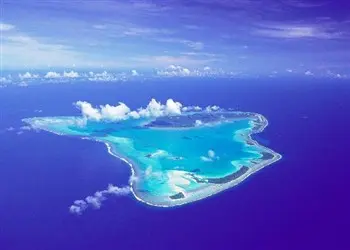
The resorts here fall into two moods. On Rarotonga you get the big lagoon-facing properties, fifteen minutes from the airport at Nikao and close enough to Avarua that you can wander in for coffee. On Aitutaki, a fifty-minute flight north if the wind is behaving, the luxury is quieter and the water is the colour of a swimming pool for as far as you can see. Which you prefer depends on whether you want restaurants within walking distance or an island where the loudest thing you'll hear all day is the reef.
What five stars means in the Cook Islands
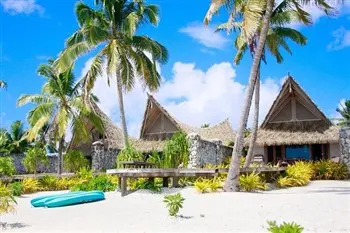
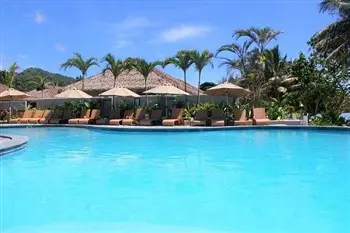
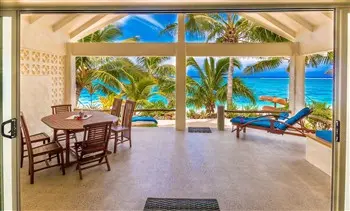
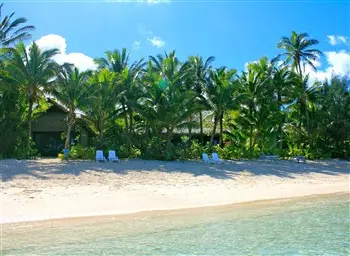
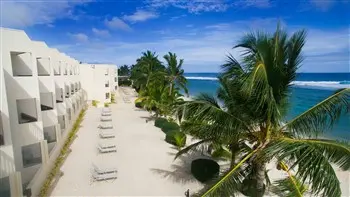
You'll find the standard here is set by location rather than lobby marble. A Cook Islands five-star resort might have forty rooms and a single restaurant, but that restaurant sits ten paces from a lagoon where the water is waist-deep for a hundred metres out. Breakfast arrives with papaya picked that morning, and the staff will almost certainly know your name by the second day.
Rooms at the top properties on Rarotonga start around NZ$700 a night in the shoulder season, and climb steeply for the overwater villas on Aitutaki. Book direct and you'll often find the airport transfer included. Not always, mind. It's worth asking.
The lagoon at Muri
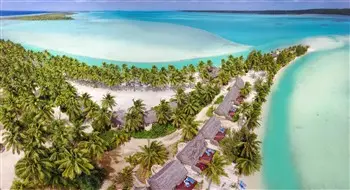
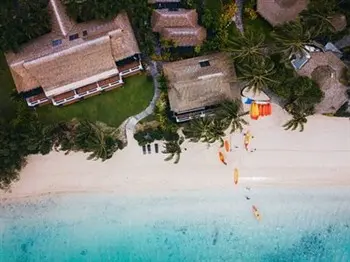
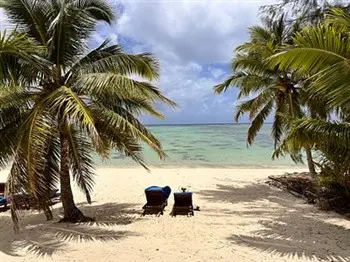
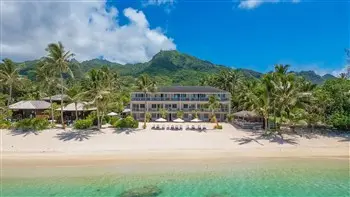
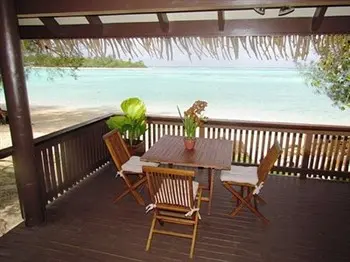
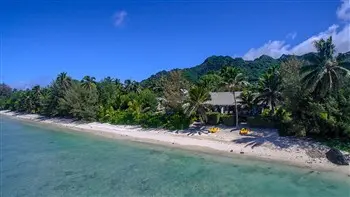
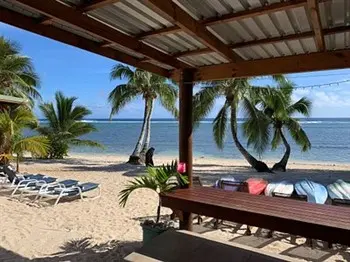
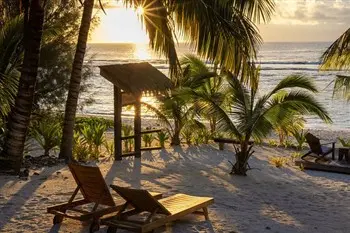
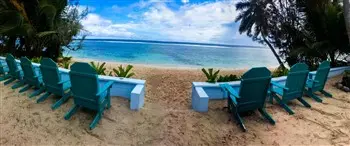
Muri Beach is the classic Cook Islands postcard, and the resorts along it make the most of the view. You can kayak out to the four motus (small islets) in the lagoon in under twenty minutes, and the snorkelling between them is genuinely excellent: giant clams, parrotfish, the occasional eagle ray gliding past at arm's length. Choose a resort with a beachfront restaurant here and you'll eat dinner watching the sun drop behind the palms.
The water stays warm enough for a swim at seven in the morning. That's the detail people remember, not the thread count.
Aitutaki, and the lagoon that does the work
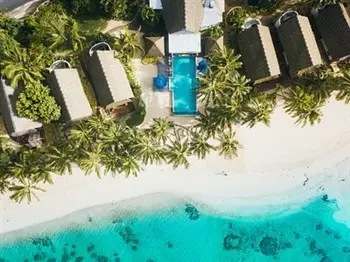
Aitutaki's appeal is simple and it doesn't need dressing up: the lagoon is one of the largest in the South Pacific, and the resorts on its edge have views that make the flight worthwhile. Exclusive 5* Luxury beach resorts in Cook Islands tend to cluster on the western shore, where the sunsets are unobstructed and the reef breaks far enough out that swimming is calm.
Most properties here organise a lagoon cruise as part of a stay, usually a full day with lunch on One Foot Island. Take it. The sandbar walk and the snorkelling stops are the reason people come back.
Overwater villas and private pools
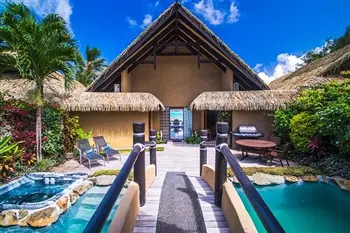
If you want the full overwater experience, Aitutaki delivers. Villas built on stilts above the lagoon come with glass floor panels, direct ladder access to the water, and outdoor showers screened by frangipani. Rates run from NZ$1,800 a night and rise with the season, and most require a minimum stay of three nights.
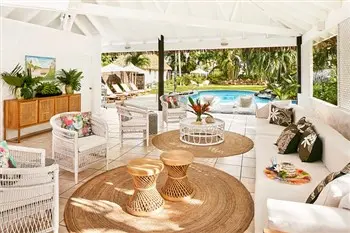
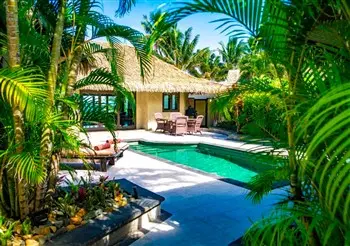
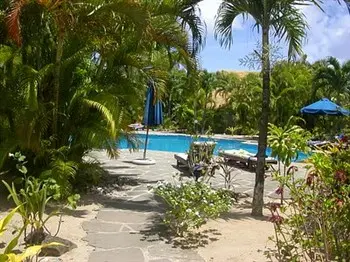
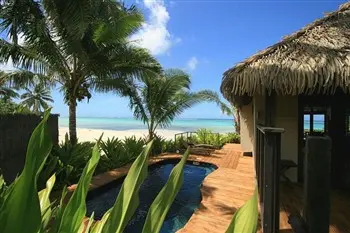
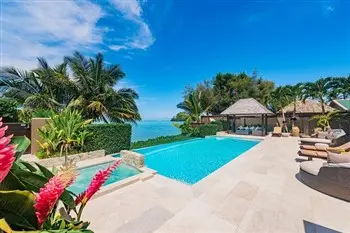
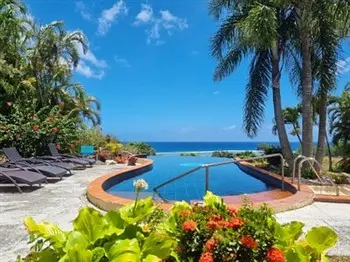
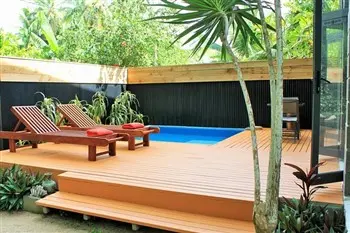
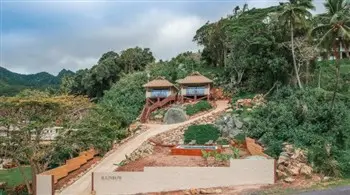
On Rarotonga, the equivalent luxury is a private pool villa set back from the beach in mature gardens. You lose the overwater novelty and gain considerably more space. Families tend to prefer these, while couples usually don't.
Eating and drinking
Island food is better than its reputation suggests. Fresh tuna appears on most menus, often seared with coconut and lime, and the local produce markets in Avarua on a Saturday morning are worth setting an alarm for. Resort restaurants hold their own too, particularly for seafood, and the wine lists have improved markedly in the last decade.
One practical note: alcohol is taxed heavily and a cocktail at a resort bar will set you back around NZ$20. Stock up at the duty-free on arrival if that bothers you. It bothers most people once.
Spa, service and the small things
The spas here use local oils, often coconut and frangipani, and treatments are priced more reasonably than you'd expect for a five-star setting, typically NZ$150 for an hour. Staff are warm without being intrusive. You'll be offered a cold towel and a glass of something on arrival, and nobody will rush you through it.
What's harder to convey is the pace. Nothing here is urgent, and a lunch that starts at one can drift casually past three without anyone minding a bit.
When to go
April to November is the dry season, with temperatures in the mid-twenties and the trade winds keeping things comfortable. December to March is hotter and wetter, cyclone season runs through it, and rates drop accordingly. If you're flexible, May and October are the sweet spots: good weather, thinner crowds, sensible prices.
The Cook Islands dollar is pegged to the New Zealand dollar, so there's no exchange-rate surprise if you're coming from New Zealand or Australia.
Booking the right resort for you
If you want a resort where everything is a short walk away, with a lively village feel and easy access to Rarotonga's restaurants and markets, base yourself at Muri. If you want the postcard lagoon with nothing to distract you from it, book Aitutaki and accept that the island is small, the dining options are limited to your resort and one or two others, and you'll likely eat in most nights.
Neither is a compromise. They're just different holidays.
Most flights connect through Auckland, and the last of the evening arrivals on a Saturday tends to be the fullest.