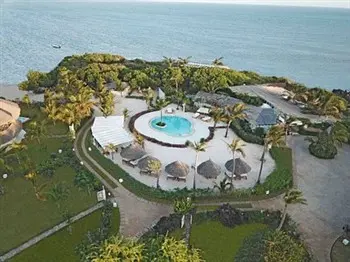
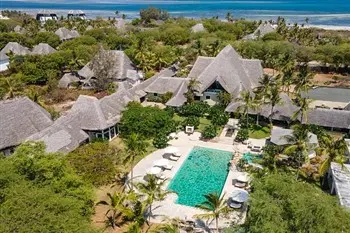
Kenya's coast runs about 500 kilometres from the Somali border down to Tanzania, and the sand on the south side is finer than most people expect. You'll fly into Mombasa's Moi International Airport, clear immigration in twenty minutes on a good day, and then face a choice: the north coast road past the creek, or south through the ferry queue at Likoni. Take the south.
The ferry crossing takes about ten minutes and costs nothing as a foot passenger. If you're in a car, expect to wait: forty minutes at peak times is normal, and nobody seems to mind. Your resort transfer will usually include the crossing in the rate. Confirm that in writing before you book, because a handful of properties bill it separately.
What five stars actually buy you on this coast
Kenya's hotel grading is handled by the Tourism Regulatory Authority, and a five-star certificate here means air conditioning, a certain ratio of staff to rooms, and a minimum suite count. It doesn't tell you whether the beach in front of the property is swimmable at low tide. That depends on the reef, and the reef changes along the coastline every few kilometres.
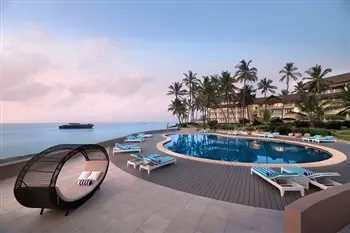
What you're really paying for in the top tier is space and staff. At the best properties on Diani Beach, rooms start around 60 square metres and there's roughly one staff member for every two guests. You'll notice it at breakfast, when your coffee is refilled before you've thought to ask. You'll notice it more when you want a boat moved to a different departure point at short notice.
Rates at the peak of the season, which runs from mid-December into early January, sit between £400 and £900 a night for a garden room. That's the upper figure at the most established properties. I've seen the same room go for £260 in late May, though the long rains make that a gamble I wouldn't take twice.
Diani Beach: the established choice
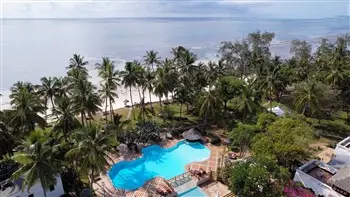
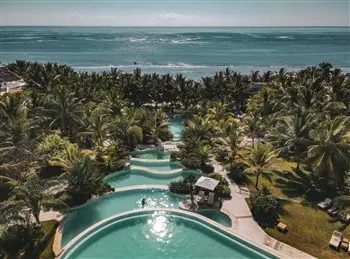
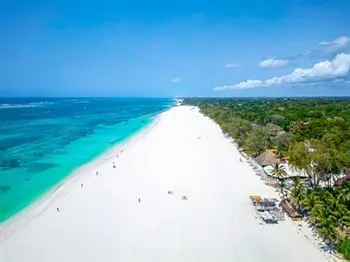
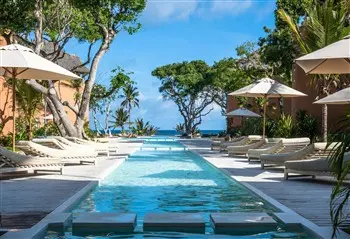
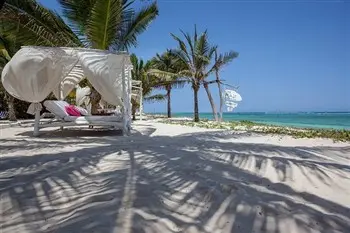
The stretch around Diani is where most of the recognised names sit, and for good reason. The sand is white and powdery, the water is turquoise inside the reef, and the trade winds keep the afternoons bearable. Several properties here have been running for thirty years or more, which shows in the gardens.
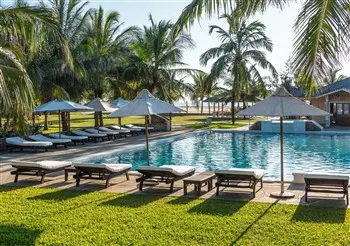
You can expect a private plunge pool at the better villas, a spa using local botanicals, and a house reef you can snorkel from the shore at high tide. Deep-sea fishing charters leave from the nearby harbour at dawn. The boats are well maintained and the crews know the grounds.
Book a sea-facing room rather than a garden one if the budget stretches. The difference is around £70 a night and the view is the reason you came.
The north coast and its quieter properties
North of Mombasa, around Malindi and Watamu, the resorts are smaller and the beaches are backed by coral cliffs in places. Marine park protection means the snorkelling is genuinely good: you can swim out from the beach and see parrotfish within fifty metres. The water stays calmer here for much of the year.
These properties tend to have twenty to forty rooms rather than a hundred. Service is more personal and the pace is slower. If you want a resort where the manager knows your name by the second evening, this is the coast for you. It's also where you'll find the best dhow sailing excursions, with a crew of three and a cooler of cold beer on board.
When to go
The dry seasons run from January to March and from July to October. The first is hotter and busier. The second is cooler, with daytime temperatures around 28°C and less humidity, and it overlaps with the European school holidays, so book early. February is the quietest of the good months.
Whale sharks pass through the Watamu area between October and April. You can arrange a boat through your resort, though sightings aren't guaranteed and the operators are honest about that. Dolphins are more reliable, showing up most mornings off the reef edge.
How to choose
- For a large resort with every facility on site, look at Diani.
- For intimacy and better snorkelling, head to Watamu.
- For the shortest transfer from the airport, stay on the north coast.
- For families with young children, the sheltered reef lagoons south of Mombasa are the safest swimming.
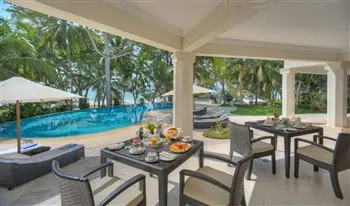
Most of the better properties on this coast include full board in the rate, which matters more than it sounds: a la carte dining at these places adds up quickly. Check whether drinks are included, since the answer varies. The leading resorts will send you a sample menu before you commit.
One practical note on transfers. A private air-conditioned car from Mombasa to Diani takes about ninety minutes and costs around £60 each way. The resort can arrange it. Ask for a driver who'll stop at the roadside fruit stalls, because the mangoes sold there in January are worth the ten-minute delay.
Wi-Fi is reliable in the main buildings and patchy at the beach bars. If you need to work, ask for a room near reception. If you don't, it hardly matters.
You'll want to bring reef-safe sunscreen, a light long-sleeved shirt for the evening, and cash in small notes for tips. The staff at the best resorts have been doing this for decades, and it shows in the small things.
The beach at Diani has a resident colony of vervet monkeys who specialise in stealing sugar sachets from breakfast tables.