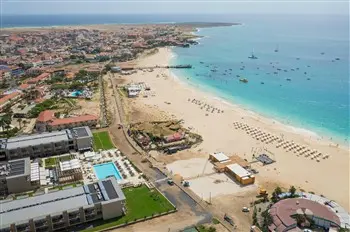
Cape Verde sits about 570 kilometres off the coast of Senegal, and until recently most of its visitors came for the wind. The trades blow across Sal and Boa Vista almost without pause from November to May, which is why the kitesurfers arrived first. The resorts followed. There are now enough five-star properties scattered across the ten islands that choosing between them takes longer than the flight from Lisbon.
This is a country of volcanic soil and salt pans, of fishing villages where the catch comes in around four in the afternoon. You'll find no high-rise strip to rival Cancún, no casino canyon. What you get instead is a handful of well-run hotels on beaches that stay half empty even in high season, and a level of service that has learned quickly from the European market it serves.
Sal: the established ground
Sal is where almost every international flight lands, and the resort strip along the south coast near Santa Maria has been quietly refining itself for two decades. The water here is calm enough for children and warm enough to stay in for an hour. You can walk the length of the beach in about forty minutes and pass maybe thirty people doing the same thing.
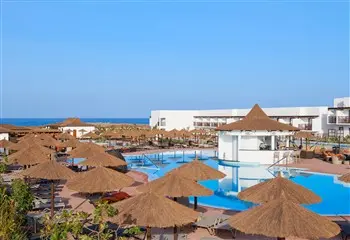
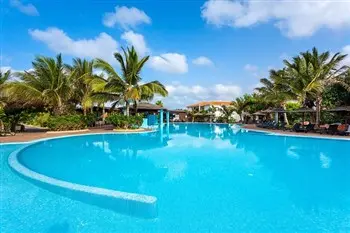
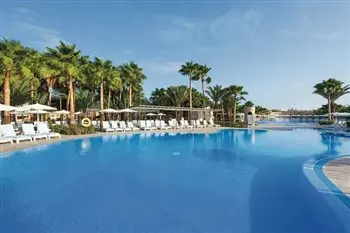
The larger hotels cluster west of the town, and the best of them run to low-rise villas rather than towers, with private terraces facing the water. Dress codes loosen as the week goes on: linen at dinner, bare feet at the beach bar. The service is attentive without hovering, and staff tend to remember your coffee order by the second morning.
Santa Maria itself is worth an evening. The pier draws a crowd at sunset, and the restaurants behind the main square serve lobster for less than you'd pay for a decent burger in London. I'm not certain the fishing fleet still supplies every kitchen that claims it does, but the evidence on the plate is convincing enough. Half the town seems to close by ten, which suits most guests fine after a day in the wind.
Boa Vista: space and sand
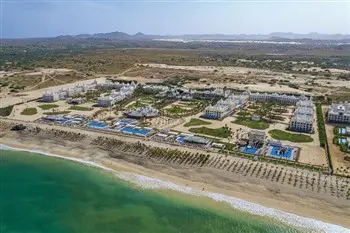
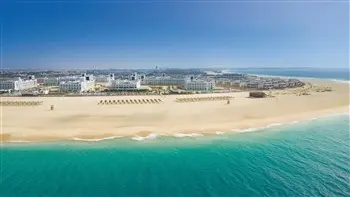
Boa Vista is the emptiest of the developed islands and the one most people mean when they say Cape Verde feels undiscovered. The beaches run for kilometres: Praia de Chaves alone is a ribbon of pale sand backed by dunes that shift a little each year. A handful of resorts sit along it, spaced far enough apart that you never see your neighbours unless you walk.
The island's interior is desert, genuinely so, and the drive from the airport passes goat tracks and abandoned salt works before the sea appears. You'll want a car for a day or two. The turtles nest on the eastern beaches between June and October, and licensed guides run evening walks that finish well after dark. Bring a jumper. The temperature drops more than you'd expect once the sun goes.
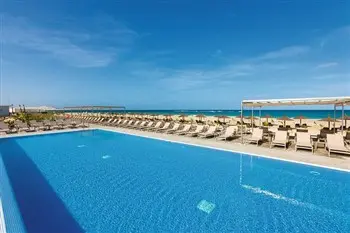
Resort standards here have risen sharply. The newest properties offer plunge pools, butler service on request and kitchens that lean on the island's own produce: tuna, papaya, the small sweet bananas that never seem to travel well. I counted fourteen sun loungers to every guest at the one I stayed in, though that may have been a quiet week in early December rather than a permanent ratio.
Which island suits you
The choice comes down to how much you want around you. Sal gives you a town, a marina, restaurants within walking distance and the option of doing nothing at all in comfort. Boa Vista gives you sand and silence and a longer transfer from the airport, forty minutes or so on a road that hasn't been fully finished. Both work. They just work differently.
- Sal: 20 minutes from the airport to most resorts, calm swimming, the most developed restaurant scene.
- Boa Vista: 40 to 50 minutes by road, vast beaches, the best turtle nesting in the archipelago.
- São Vicente: Mindelo's music and colonial architecture, with beach resorts a short drive out of town.
- Maio: the quietest option, small guesthouses and almost no five-star inventory.
You could spend a fortnight island-hopping, and some people do, but the internal flights add up and the ferries are slow. Two islands in ten days is a sensible rhythm. Three is ambitious. If you're coming for a week, pick one and settle into it properly.
São Vicente and the music
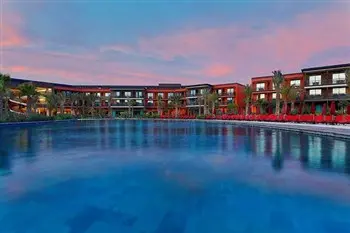
Mindelo is the cultural capital and the one place in Cape Verde where you'll want to stay out late. The bars around the harbour play morna and coladeira until two in the morning, and the crowd is a mix of islanders and visitors who came for the beach and stayed for the sound. There's a five-star property a short drive from the centre with a spa and a pool that catches the evening light.
The town itself rewards walking. Pastel facades, a market that sells everything from phone credit to dried fish, a replica of Lisbon's Torre de Belém on the waterfront that nobody quite explains. I spent an hour trying to find the house where Cesária Évora lived and gave up, which is its own small failure. The tourist office will tell you if you ask.
What to expect from the five-star tier
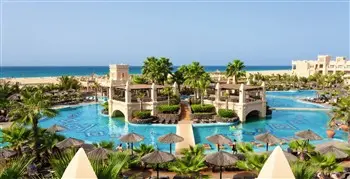
Cape Verdean luxury is not Dubai luxury, and it isn't trying to be. The best resorts here work with the landscape rather than against it: low buildings, local stone, gardens that use native plants because they survive the salt wind. Rooms are large and cool. The food has improved enormously in the past decade, and the wine lists now run to Portuguese bottles worth drinking rather than just tokens.
You'll find spa facilities at most of the top properties, and several have treatments built around island ingredients. Volcanic clay, salt scrubs, that sort of thing. The staff are, in my experience, exceptionally good with children and unfailingly patient with adults who've never sailed before. Wind conditions mean the sailing school at one Sal resort has instructors who teach beginners in a morning and have you out on the water by the afternoon.
The measure of a resort here isn't the marble in the lobby. It's whether the wind still feels like a pleasure on day six.
Standards vary, though, and the five-star label doesn't mean the same thing on every island. Check whether the rate includes meals: some properties are all-inclusive and some very much aren't, and the difference over a week is substantial. Half board tends to be the sensible middle. Breakfast on a terrace facing the Atlantic is worth setting an alarm for, which is not something I say often.
When to go
The dry season runs from November to June and the weather is close to ideal: mid-twenties, low humidity, wind that keeps the heat honest. December and January are the coolest months, and you'll want a light layer in the evenings. The rains come in August and September and can be heavy, though they're brief.
High season prices spike around Christmas and Easter, and the resorts fill with European families on school holidays. Book well ahead for those windows. If you can travel in May or early November, you'll get the same conditions at rates that can be a third lower. The trade winds are still blowing in May, the sea is warm, and the crowds haven't arrived. Why more people don't do this is a mystery I've stopped trying to solve.
One practical note: internal flights are limited and luggage allowances are tight. TAP and the local carrier both fly between islands, but the small planes fill early and the schedule doesn't bend. Pack a soft bag and check the weight before you leave the resort. The alternative is a ferry crossing that takes four hours on a good day and rather longer on a bad one.
Getting there and getting around
Direct flights from the UK run to Sal in about six hours, and from Lisbon in four. Boa Vista has its own airport with charter connections from Europe. Once you're on the ground, resort transfers are usually included in the package, and taxis are cheap if you want to explore independently. Agree the fare first. Not because anyone is trying it on, but because the meter is often a matter of negotiation.
Hire cars are available on the main islands and cost around €40 a day. The roads on Sal and Boa Vista are good; on the smaller islands they're a mix of tarmac and dust, and you'll want something with clearance if you're heading inland. Fuel is sold by the litre at a handful of stations, and on Boa Vista there's one main filling point. Fill up before you head out.
The currency is the Cape Verdean escudo, pegged to the euro, and most resorts take cards. Smaller places operate on cash, and the ATMs on the quieter islands run out on weekends. Carry enough for a meal and a taxi and you'll be fine.
Choosing your property
When you're comparing the top five-star beach resorts in Cape Verde, the things that matter are less about stars and more about position. A resort set back from the water with a shuttle to the sand is a different holiday from one where your terrace opens onto it. Check the distance and check whether the beach in front is swimmable, because the Atlantic is not always obliging and some stretches have a current worth respecting.
Look at the meal plan, the transfer time and the size of the property. Smaller resorts tend to offer more personal attention; larger ones offer more facilities and more children. Neither is better, but one will suit you more. The best of the exclusive five-star luxury beach resorts in Cape Verde tend to be the ones that have picked a single idea and done it thoroughly rather than trying to cover every base. That pattern holds across the world's top luxury resorts as well, and it's the one reliable signal I've found.
You'll pay between €250 and €600 a night in high season for the top tier, depending on the island and the board basis. Off season, the same rooms can drop by half. The value is genuinely there, partly because Cape Verde hasn't yet priced itself like the Maldives and partly because the competition among the islands keeps everyone sharp.
Finally, allow for the wind. It's the reason the islands exist as a destination and the reason the kitesurfers keep coming back. On a good day the breeze is steady and warm. On a bad one it turns lunch into a brief contest with the tablecloth. Pack a hat with a strap and you'll thank yourself by the second afternoon. The sunsets over the Atlantic from the west-facing beaches on Sal last about twenty minutes and the light turns the sand the colour of weak tea.