
3 day travelogue in Tartu,
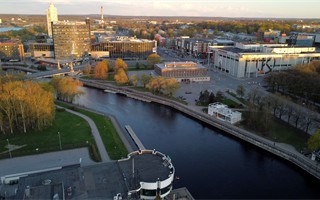
Estonia’s second-largest city and its intellectual heart, is a vibrant hub of education, culture, and history. Nestled on the banks of the Emajõgi River, Tartu boasts a youthful energy, thanks to its large student population, and a rich historical tapestry that dates back to its founding in the 11th century. Here’s a travelogue that captures the essence of Tartu.Day 1: Arrival and Initial Exploration
Upon arriving in Tartu, the city’s charming mix of old and new immediately captivates you. Begin your journey with a leisurely stroll through the historic city center.
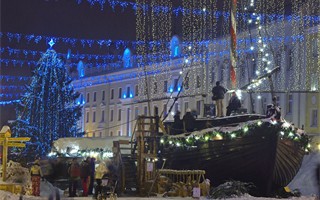
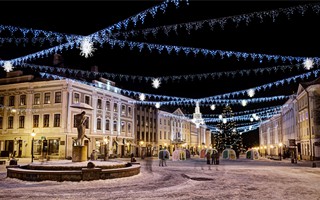
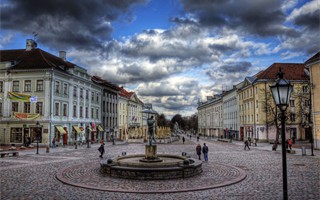
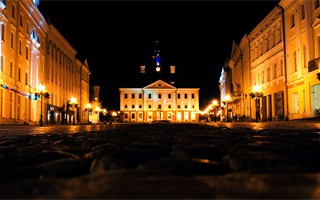
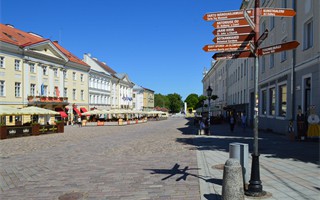
Start at the heart of Tartu, the Town Hall Square, with its elegant 18th-century Town Hall building and lively fountain, the "Kissing Students." This square has been the focal point of Tartu’s social life for centuries. Surrounding the square are numerous cafes and restaurants, perfect for grabbing a coffee and people-watching.
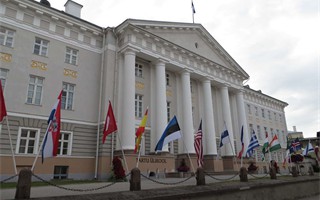
Next, visit Tartu University, founded in 1632 by King Gustavus Adolphus of Sweden. The university’s main building is a neoclassical masterpiece. Take a walk through the campus, visiting the University of Tartu Art Museum and the Old Observatory. The university’s Aula (Great Hall) often hosts concerts and events, so check if there’s something happening during your visit.
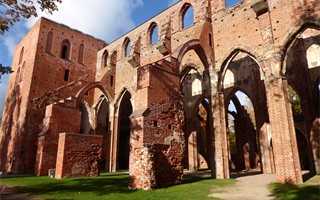
From the university, head up Toome Hill, a serene park filled with historical landmarks. Here you’ll find the ruins of the Tartu Cathedral, which dates back to the 13th century. Climb the towers for a panoramic view of the city. Toome Hill also hosts several statues, including one of the renowned Baltic German historian Friedrich Robert Faehlmann.
Day 2: Cultural and Historical Immersion.
Tartu Art Museum (Tartu Kunstimuuseum).
Begin your second day with a visit to the Tartu Art Museum, located in an eye-catching leaning building on the Town Hall Square. The museum showcases an impressive collection of Estonian art from the 18th century to contemporary works, providing deep insights into the country’s artistic evolution.
For a bit of nostalgia, visit the Tartu Toy Museum, which houses an extensive collection of toys from different eras and cultures. The museum’s interactive exhibits make it a delightful experience for both children and adults.
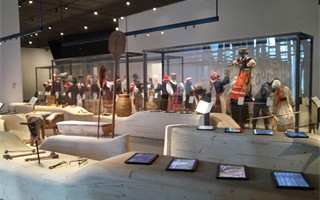
Spend the afternoon at the Estonian National Museum, located on the outskirts of the city. The museum’s modern architecture and state-of-the-art exhibits explore Estonia’s cultural history and ethnography. The interactive displays and multimedia presentations bring Estonia’s rich heritage to life.
Day 3: Nature and Relaxation.
Emajõgi River Cruise.
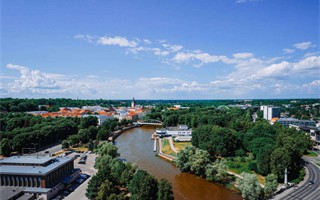
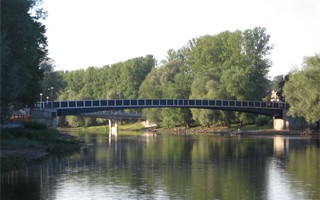
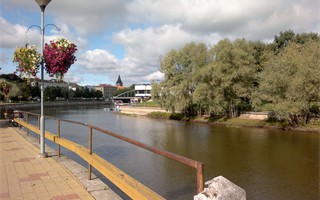
Start your final day with a relaxing cruise along the Emajõgi River. The river, which flows through the heart of Tartu, offers a unique perspective of the city’s landscape and architecture. There are various boat tours available, some even offering meals or themed experiences.
In the afternoon, visit the AHHAA Science Centre, a hands-on museum that’s both fun and educational. The center features interactive exhibits on science and technology, a planetarium, and a 4D cinema. It’s a great way to engage with science in a fun and playful manner.
End your day with a walk through the Supilinn (Soup Town) district, one of Tartu’s most charming neighborhoods. Known for its wooden houses and bohemian atmosphere, Supilinn offers a glimpse into the city’s more laid-back side. Explore the narrow streets, vibrant street art, and cozy cafes.
Tartu’s history is rich and varied, making it one of the oldest cities in the Baltic region. It was first mentioned as Yuryev by Yaroslav the Wise in 1030. Over the centuries, Tartu has been under Danish, German, Swedish, and Russian rule, each leaving its mark on the city’s culture and architecture.
The establishment of Tartu University in the 17th century marked a turning point, transforming the city into a center of education and intellectual life. During the Estonian War of Independence, Tartu played a crucial role, and it was in Tartu that the peace treaty with Soviet Russia was signed in 1920, granting Estonia its independence.
Tartu also suffered during World War II, with significant destruction and loss. However, the post-war period saw extensive rebuilding, and today, Tartu is a thriving city that honors its past while embracing the future.
As you prepare to leave Tartu, reflect on the city’s unique blend of historical depth and youthful vitality. From the ancient ruins on Toome Hill to the cutting-edge exhibits at the Estonian National Museum, Tartu offers a rich and diverse experience. The city’s welcoming atmosphere and cultural richness ensure that it leaves a lasting impression on all who visit. Whether you’re drawn by its academic prestige, historical significance, or vibrant arts scene, Tartu is a city that promises an unforgettable journey.