Exploring Narva:
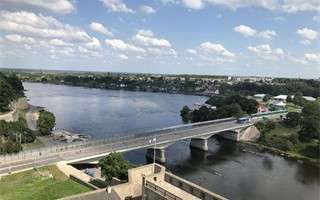
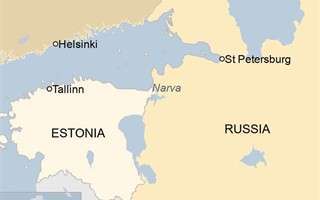
Narva, Estonia's easternmost city, sits on the banks of the Narva River, directly opposite the Russian city of Ivangorod. With its rich history, cultural significance, and picturesque scenery, Narva offers a unique blend of Estonian and Russian influences. Read the following travelogue that captures the essence of this fascinating destination.Day 1: Arrival
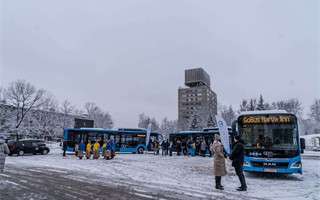
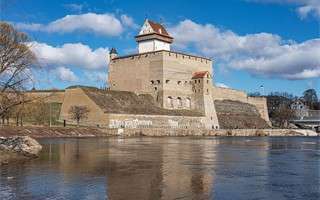
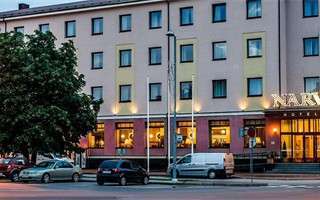
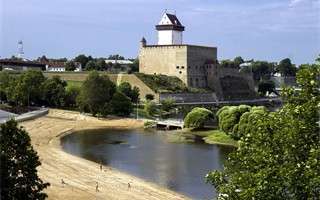
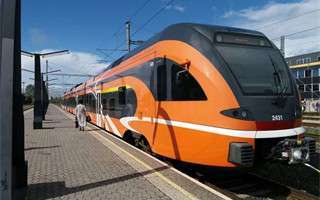
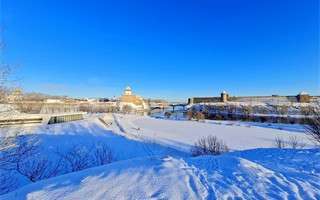
Its only a short Bolt ride from Tallinn airport to the luxury coach park or train station with regular departures to Narva. As you approach Narva, the first thing that strikes you is the impressive silhouette of Narva Castle, also known as Hermann Castle, standing guard over the river. The castle, originally built by the Danes in the 13th century, has witnessed centuries of conflict and change makes a perfect starting point for your exploration. There are many options for short term accommodation from luxury hotels to guest houses to Hostels.
Narva Castle
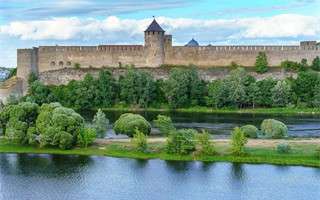
Entering the castle, you are immediately transported back in time. The restored interior houses a museum that offers a deep dive into Narva’s history, from medieval times through Soviet occupation and up to the present day. Don’t miss the panoramic views from the Hermann Tower, where you can gaze across the river into Russia, with Ivangorod Fortress just a stone’s throw away.
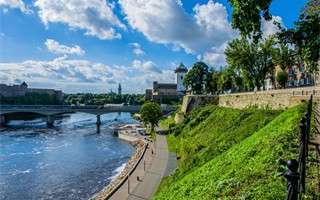
Narva River Promenade
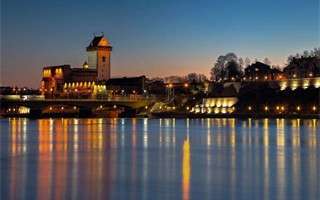
After your castle visit, take a leisurely stroll along the Narva River Promenade. This beautifully landscaped area provides stunning views of both the Narva and Ivangorod castles. The promenade is dotted with sculptures, benches, and informative plaques that tell the story of Narva’s past. In the evening, the castles are illuminated, creating a magical atmosphere.
Day 2: Exploring the City
Kreenholm Manufacturing Company
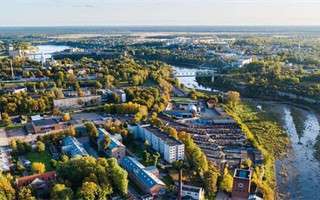
Start your second day with a visit to the Kreenholm Manufacturing Company, once one of the largest cotton mills in Europe. Founded in 1857, it played a crucial role in Narva’s development. Although it ceased operations in 2010, guided tours offer a glimpse into the industrial heritage and the lives of the workers who once toiled here.
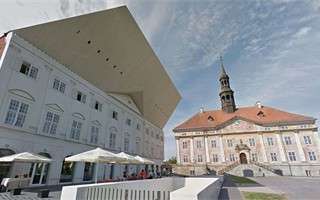
Town Hall Square
Next, head to the Town Hall Square. The Narva Town Hall, a striking baroque building dating back to the late 17th century, stands proudly in the centre. The square is a lovely spot to sit and enjoy a coffee while taking in the charming surroundings and the buzz of daily life.
Narva Aleksandri Church
In the afternoon, visit the Narva Aleksandri Church, an impressive neo-gothic church completed in 1884. The church suffered extensive damage during World War II but has since been partially restored. Its towering spire and intricate architecture make it one of Narva’s architectural gems.
Day 3: Nature and Relaxation
Narva-Jõesuu
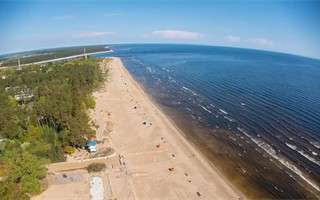
A short drive from Narva brings you to Narva-Jõesuu, a coastal resort town known for its sandy beaches and pine forests. Often referred to as the "Baltic Riviera," Narva-Jõesuu is the perfect place to unwind. Spend the day lounging on the beach, swimming in the Baltic Sea, or exploring the serene forest trails.
Dark Park (Pimeaed)
Upon returning to Narva, visit Dark Park (Pimeaed), a beautifully landscaped park in the heart of the city. It’s a peaceful place for an evening walk, with well-maintained paths, a picturesque pond, and charming wooden gazebos. The park’s history dates back to the 19th century, adding another layer to Narva’s rich tapestry.
Historical Context
Narva’s history is marked by its strategic location and the numerous powers that have vied for control over it. Initially a Danish outpost, Narva was conquered by the Teutonic Knights, the Swedes, and the Russians over the centuries. Each era left its mark, contributing to the city’s diverse cultural and architectural heritage.
The Great Northern War (1700-1721) was particularly significant for Narva. The Battle of Narva in 1700 saw the Swedish army, led by Charles XII, achieve a remarkable victory against the Russians. However, by 1704, Peter the Great had captured Narva, integrating it into the Russian Empire. This period of Russian influence continued until Estonia gained independence in 1918, and again during Soviet occupation in the 20th century.
As you prepare to leave Narva, take a moment to reflect on the city’s unique blend of history, culture, and natural beauty. From the medieval stronghold of Narva Castle to the serene shores of Narva-Jõesuu, this border city offers a journey through time and a deep connection to the stories of the past. Narva may not be as well-known as Tallinn or Tartu, but it is a hidden gem that leaves a lasting impression on all who visit. If you traveled by train to Narva, do try the coach service back to Tallinn. With free coffee, individual media screens with movies and internet and luxury seats, its a great way to see Estonia's beauty on the journey.