
Brazil's coastline runs for about 7,400 kilometres, and the five-star resorts along it cluster in three or four stretches: the Bahian coconut coast, the cliffs east of Rio, and the dune country around Natal and Fortaleza. You can fly into Salvador in the morning and be on a private beach with a caipirinha before lunch. That ease is part of the appeal of the country's best resorts. The other part is how little they resemble each other.
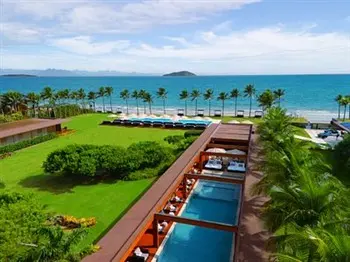
Start in Bahia, in the stretch between Salvador and Porto Seguro. Here the sand is fine and pale, the water is warm enough for a long swim at seven in the morning, and the resorts sit low among coconut palms rather than rising above them. A typical suite opens straight onto a private terrace, and the walk from your door to the tide line takes under a minute. Many properties here cap guests at around sixty, which means breakfast never feels like a hotel breakfast at all.
You'll notice the service style quickly. Staff learn your name on the first day and your coffee order by the second, and they stay close enough to help without crowding the table. I suspect this is a deliberate training policy across the Bahian properties rather than a happy accident. It works either way.
The Bahian coconut coast
Transfers from Salvador airport run to about two hours for the southern resorts, and the last stretch is on a sandy track that makes you wonder, briefly, whether the driver has taken a wrong turn. He hasn't. The gate appears between two palms, and beyond it the grounds open out into lawns, a long pool, and a restaurant with no walls at all.
Dinner is where these places earn their stars. Expect moqueca served in a clay pot, fish landed that morning, and a wine list that leans French but keeps a decent selection of Brazilian sparkling. You can eat barefoot. Most guests do. The dress code, if there is one, stops at covering your swimwear.
Rooms at the better Bahian properties start around £600 a night in high season, though I've seen rates closer to £450 in May, when the rain is tapering off and the beaches are empty. That figure moves with the exchange rate, so treat it as a guide rather than a promise. May and June are the sweet spot for value: warm water, thinning crowds, and enough sunshine to justify the packing.
East of Rio
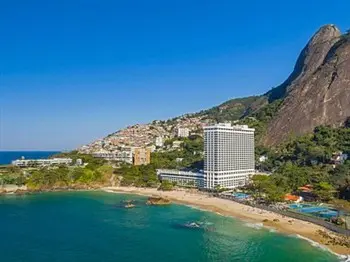
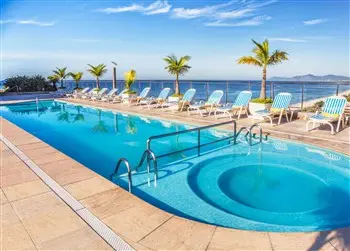
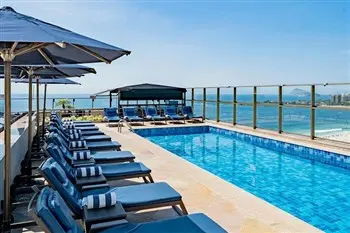
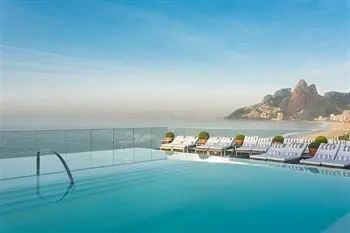
The coast east of Rio de Janeiro is a different proposition entirely. The road from the city to Búzios takes about two and a half hours, and the resorts here are built into the hillside, with infinity pools at the edge of the terraces and a clear view down to the water. You get more drama and more people than in Bahia. The town itself is busy on weekends, and the beaches fill up by mid-morning.
What you gain is variety. A resort here puts you within walking distance of a dozen restaurants, a handful of good beaches, and a harbour where schooners leave for day trips around the peninsula. If you tire of resort dining, you can walk into town and eat at a beach bar for a fraction of the price. That flexibility suits some travellers better than the seclusion of Bahia, and it's worth thinking about which camp you fall into before you book.
The water here is colder than you might expect. The Atlantic upwelling keeps it bracing, and a swim before breakfast takes some resolve. Pack a light layer for the evenings as well; the sea breeze picks up after sunset.
The dune coast
Further north, the stretch around Natal and the dunes of Genipabu feels like another country. The resorts are larger and more family-oriented, with kids' clubs, tennis courts, and pools the size of small lakes. Sand dunes roll right up to the property line, and you can arrange a buggy ride across them in about forty minutes. The light in the late afternoon turns everything gold.
The trade-off is distance. These resorts sit further from the major international gateways, so you'll likely connect through Recife or Fortaleza. The extra flight is worth it if you want space, warm shallow water, and a pace that suits children. Couples looking for quiet should probably look elsewhere.
Choosing between them
- Bahia: seclusion, low-rise luxury, excellent food, best in May and June
- East of Rio: variety, walkable towns, colder water, busier weekends
- Dune coast: space, family facilities, longer transfers, warmer shallows
Book at least three months ahead for high season, longer if you want a specific suite. Ask about transfer times before you commit; a two-hour drive at the end of a long flight is a different prospect from a forty-minute one. And check what's included: some properties bundle breakfast and dinner, others charge for both.
You'll want to confirm the resort's own beach access, too. A few advertise a private beach when what they mean is a roped-off section of a public one. It's not a deal-breaker, but it's better to know before you arrive.
None of this requires a specialist. Brazil's top resorts are easy enough to book directly, and the staff speak good English. If you do use a travel designer, ask them which properties they've actually visited. The difference shows.
The best of them, in my view, get the small things right: a cold towel when you come up from the beach, a room that stays cool through the afternoon, and a skilled barman who mixes your caipirinha without being asked. Those details add up to something you notice most on the day you leave.
The Worlds Top Luxury Resorts round-ups tend to favour the famous names, but Brazil's finest are often the quieter ones, the places with sixty suites and a single restaurant. Exclusive 5* Luxury beach resorts in Brazil reward a little patience in the choosing. Take your time, and you'll find one that fits.
Breakfast on the last morning is usually served until eleven, which gives you time for one more swim before the drive back to the airport.