Oman’s coast runs for 3,165 kilometres, and the hotels worth your time sit on a handful of sheltered bays along it. Muscat has the airport, the opera house and the traffic. The resorts begin where the Hajar mountains meet the water, an hour or so north or south of the city. You’ll want to decide early whether you’re a lagoon person or a cliff person. It changes the whole trip.
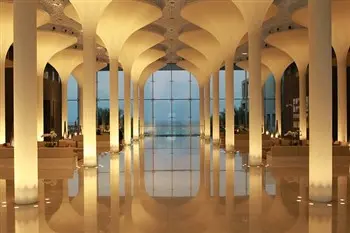
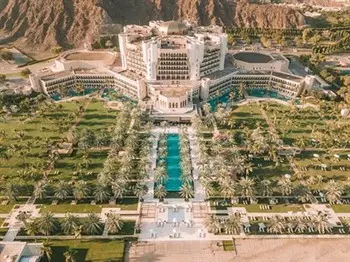
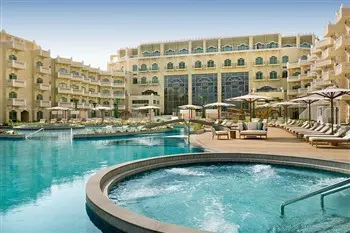
Al Bustan Palace sits in a bay of its own, twenty minutes from the old town, and the lobby dome is 38 metres high. It was built in 1985 for a Gulf summit, which explains the scale. Rooms face either the gardens or the sea, and the sea side is worth the supplement. Breakfast on the terrace runs to six kinds of dates and an egg station with two chefs. You’ll eat too much of the bread.
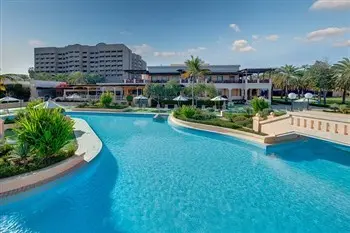
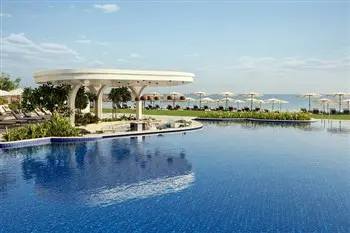
Then there’s the pool. Fifty metres, emptied and refilled on a schedule I couldn’t get a straight answer about, and at 7am it’s yours alone. The lifeguard arrives at half past with a thermos.
The quiet side of Muscat
Further along the coast, past the fishing harbour at Qantab, the road climbs and then drops into a bay where the water shifts from jade to navy within about ten metres of the shore. That colour change is the continental shelf doing its work. Snorkelling from the beach is decent, not world-class, and the coral nearer the headland is in better shape than the sand in front of the rooms. Take a boat if you want the good sites.
What you get here is space. Villas start at 60 square metres and climb to a two-storey residence with its own plunge pool and a butler who appears with iced karkadeh before you’ve finished unpacking. You’ll be assigned one at check-in. I’d ask for a west-facing unit: the sunsets over the mountains draw people back year after year, and an east-facing villa gives you the sunrise instead, which sounds romantic until you’ve been woken by it three mornings running. Sorry, that’s the other thing: ask for west.
Service runs on a system of quiet anticipation. Towels are replaced before you notice they’re damp, the minibar is restocked while you’re at dinner, and the buggy drivers remember your villa number by day two. It’s the kind of attention that never announces itself. You notice it only when it stops.
South, where the coast empties out
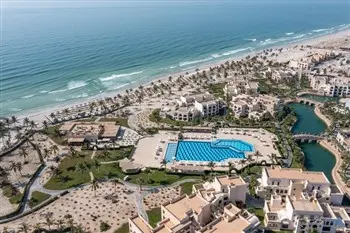
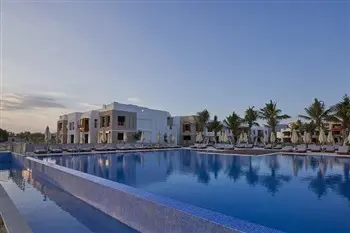
Drive three hours south of Muscat and the mountains flatten into a long plain, and the hotels thin out to almost nothing. This is where the best of the exclusive 5* luxury beach resorts in Oman tend to hide, and where you’ll find the fewest people per kilometre of sand. Some of these properties are reached by a final stretch of unsealed road, which the drivers handle without comment. You’ll arrive dusty and be handed a cold towel and a glass of lime and mint within about forty seconds.
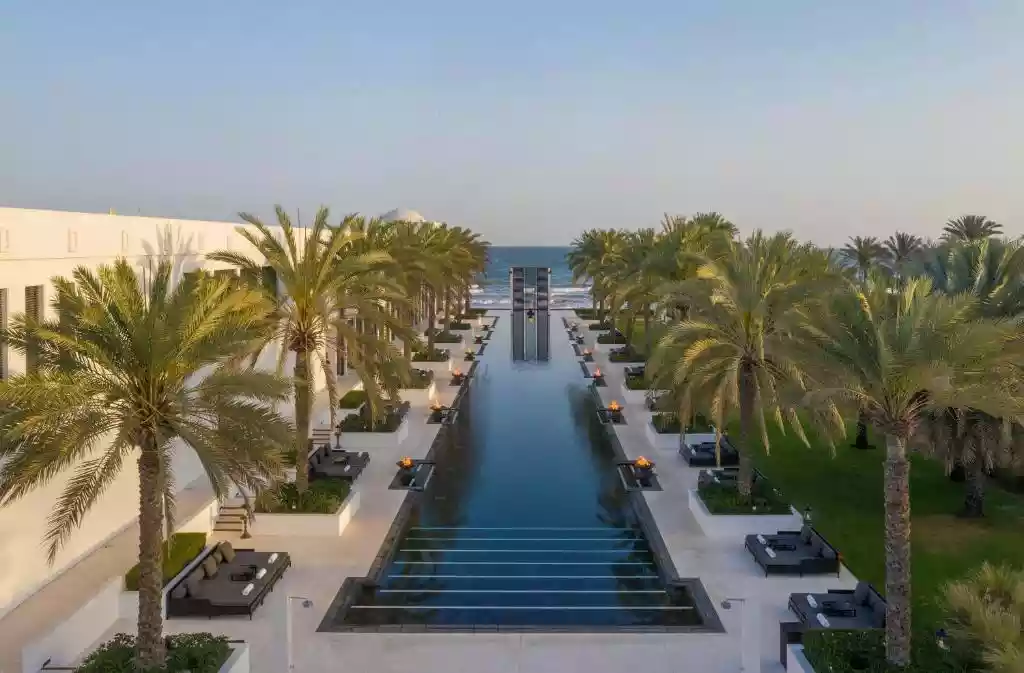
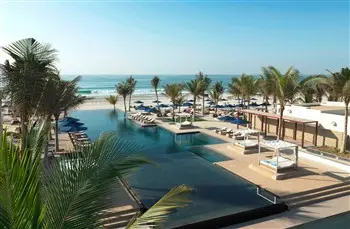
The rooms here are lower and wider than in the capital, single-storey pavilions with outdoor showers and a private deck facing the water. Ceiling fans run at a speed that seems to do nothing until you step outside. There’s no television in the villas. There’s a telescope, a bird book and a decanter of something local that tastes of figs.
Dinner is usually a set menu of four or five courses, changed nightly, built around what the boats bring in. Omani lobster, when it’s running, is served simply grilled with a chilli and garlic butter. The kitchen will happily cook off-menu if you ask in the morning, and they mean it. I asked for rice and grilled fish on the third night and got a bowl of it that I still think about.
Between October and April the temperatures sit in the high twenties, which makes the beach usable from about eight in the morning until five. In July and August you’ll be inside by ten, and the sea is warm enough that a swim brings no relief from the air. Shoulder season is the sensible window, though the rates climb accordingly and the good villas book out six months ahead.
Some of these properties are large enough that you’ll want a bicycle. The distances between the lobby, the beach and the spa can run to half a kilometre, and the resort buggies get slower to arrive each day of your stay. Ask for a bike at check-in and keep it outside your villa. Nobody will take it.
What to actually do with your days
You could spend a week doing nothing on a sun lounger, and plenty of people do. But the coast rewards a bit of movement. A dhow trip out at dusk takes about two hours and costs very little if you book it through the hotel; the dolphins are real and they turn up more often than not. The snorkelling at the Daymaniyat islands, reached by a forty-minute speedboat ride, is the best in the country, and the water there is clear enough to see the bottom at fifteen metres.
Inland, the wadis are worth an early start. Wadi Shab involves a forty-minute walk, a swim through a slot canyon and a climb up a rock face with a rope, and it’s the single best half-day you can have from the Muscat resorts. Take shoes you don’t mind soaking. The water is cold and startling.
For the culture: the Sultan Qaboos Grand Mosque in Muscat is open to non-Muslims in the mornings, and the carpet in the main prayer hall took four years to weave. The Muttrah souk is a pleasant hour of shopping if you enjoy being offered frankincense by six different men. You will buy some. It’s fine.
What makes these hotels worth the money, and they are expensive, is that the staff outnumber the guests, often by a comfortable margin. You’ll notice it most at breakfast, when a waiter pulls out your chair before you’ve thought about sitting. As a place to combine genuine luxury with a coastline that hasn’t been overrun, the Worlds Top Luxury Resorts list has few entries that do it better.
Book the corner villa with the outdoor shower if you can. The screen door sticks in the humidity, and the latch needs a firm shoulder.