
You step off the transfer at the second resort gate and the heat arrives before the lobby doors do, 41°C at four in the afternoon in early September. A porter takes the bags. Someone hands you a cold towel the size of a face flannel.
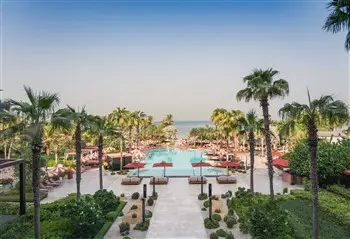
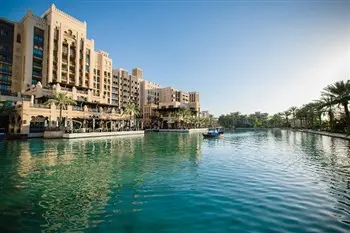
Dubai has built a dozen stretches of private sand where the service is calibrated to a level most destinations can't reach. Among the world's top luxury resorts, the beachfront hotels here compete on a peculiar axis: not just thread count and pool length but how quickly a sun lounger is reset after you leave it, and whether the staff remember that you take your coffee black.
Where the sand meets the skyline
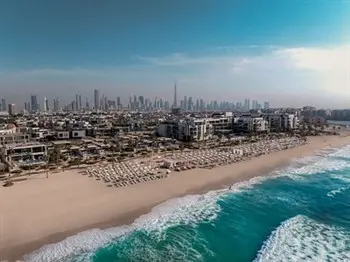
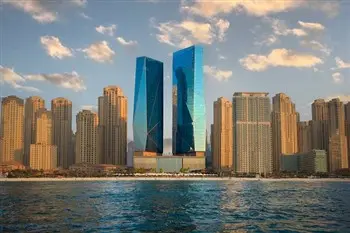
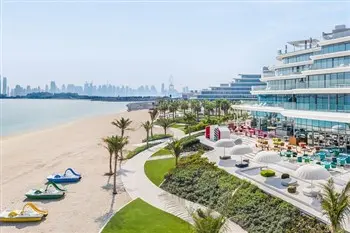
On Jumeirah Beach, the resorts run in a line along a strip of pale sand maybe 800 metres wide in places, with the towers of Sheikh Zayed Road visible behind you when you turn from the water. The Gulf here is calm and shallow for a long way out, warm enough in October that you can wade to knee depth without flinching. About 12 metres offshore, a line of buoys marks where the hotel's watersports concession ends.
You'll notice the beach clubs first. At several properties, day beds come with a minimum spend of around 400 dirhams, which gets you a shaded cabana, a fruit platter and a waiter on a two-minute cycle. I think that rate shifts a little by season, though nobody at the desk would confirm the exact figure for winter. The house reef at one of the Palm resorts draws snorkellers at dawn, and you can see parrotfish in the shallows before the sun clears the artificial breakwater.
“The water is 31°C in July. You won't feel the cold at all, which is either a gift or a reminder that you're swimming in a very large bath.”
What the five-star rating actually buys you
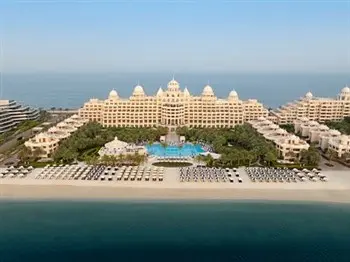
Beyond the beach itself, the distinction between a good resort and an exclusive one comes down to the small mechanics. At a well-run property, your butler learns your schedule by day two and stops offering you the evening turndown just as you're heading out to dinner. The spa at one Palm Jumeirah property runs 18 treatment rooms, and the hammam ritual takes 90 minutes start to finish, including the tea.
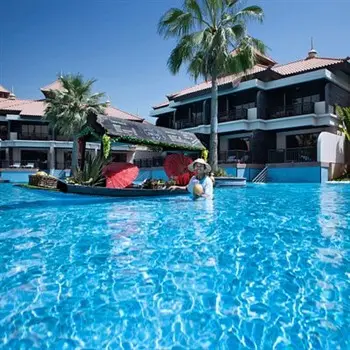
You'll find eight restaurants on site at the larger resorts, from a Lebanese grill to a sushi counter that seats 12 and needs booking ten days ahead. The kids' clubs operate from 9am to 9pm and are genuinely good: trained staff, daily changing programmes, a lagoon pool with a lifeguard at each end. If you're travelling without children, adults-only pools are standard at most flagship properties, and they're quiet in a way that feels deliberate rather than accidental.
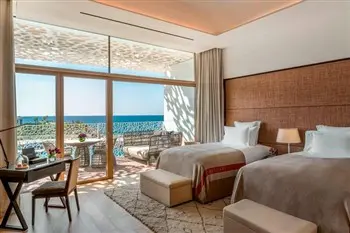
The rates reflect all of this. A sea-view suite in high season starts at about 3,200 dirhams a night, and that's before the 20 percent municipality and service charge lands on the bill. You can pay less in the shoulder months of May and June, when the heat is manageable and the rates drop by a third.
The Palm, the Marina, and the far shore
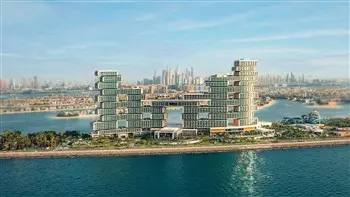
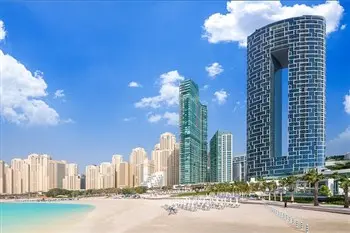
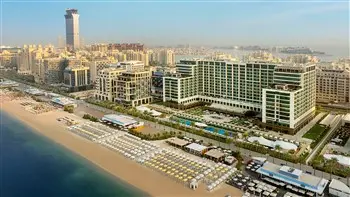
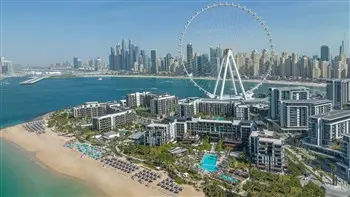
Three distinct stretches of Dubai beachfront are worth knowing. The Palm Jumeirah crescent holds the greatest concentration of five-star flags, with resorts that open directly onto the fronds and west-facing views that put the sun in the water at dusk. Further south, the Marina end suits anyone who wants a promenade walk after dinner and a choice of bars within 400 metres.
Then there's the quiet far shore toward Jebel Ali, where the buildings are lower and the horizon emptier. You get more sky there. The al fresco breakfast runs an hour longer because nobody is in a hurry, and the spa gardens have actual birdsong in the mornings.
I once spent a Tuesday afternoon watching a container ship inch along the horizon from a lounger at the Marina end, and it took nearly an hour to cross the view. That has nothing to do with choosing a resort. It's just what happens when you stop looking at your phone for long enough.
Booking the right week
You'll do best if you avoid the school holidays in July and August, when every sun bed is claimed by nine in the morning and the infinity pool becomes a standing-room event. October to April gives you the best combination of comfortable air temperature and manageable crowds. The Dubai Shopping Festival in January pulls extra visitors into the city, which nudges hotel rates up, but the beach itself stays civilised if you choose a property on the Palm rather than the main strip.
Ask about the half-board upgrade when you book. Most resorts structure it so the supplement is lower than paying for dinner à la carte, and the restaurants that participate usually include the best ones on site. Confirm which ones before you commit: one hotel I know of excludes its two finest dining rooms from the plan, which makes the upgrade poor value if you're a serious eater.
Arrive on a weekday if you can. The transfers from the airport take 25 minutes to the Palm and 40 to Jebel Ali, and the roads are far kinder on a Monday morning. Your room will likely be ready when you get there, and the first afternoon by the water can begin without a wait.
Pack a light jacket for the evenings in December. The temperature falls to around 17°C after dark, and the sea breeze through the open-air lobby can feel surprisingly cool.