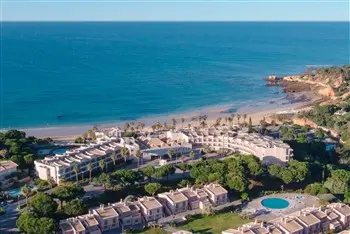
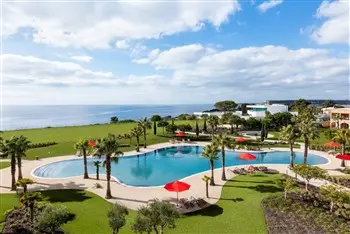
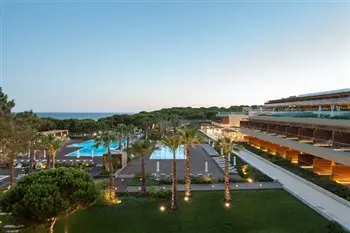
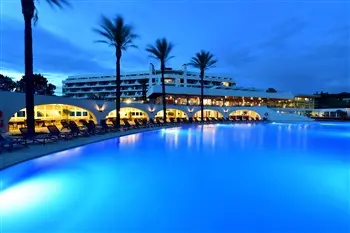
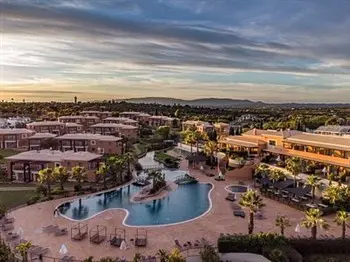
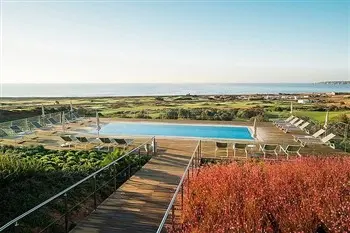
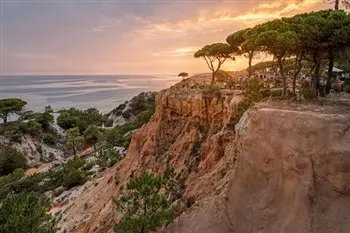
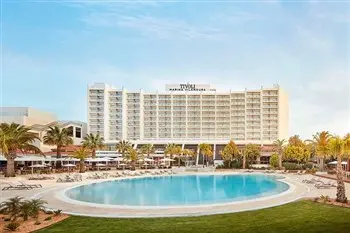
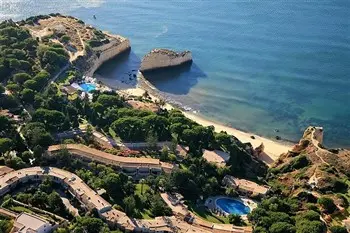
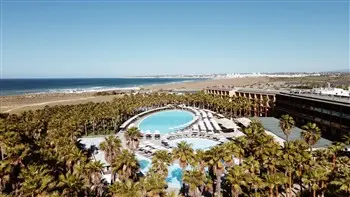
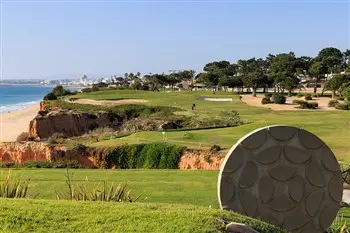
You arrive at Faro Airport and the drive to the coast takes under forty minutes on the A22, most of it through low hills covered in cistus and olive. The resorts begin around Quinta do Lago and continue west past Albufeira towards Portimão. Between them lie about 200 kilometres of sand, and the cliffs behind it change colour through the afternoon, from chalk white to a pale apricot.
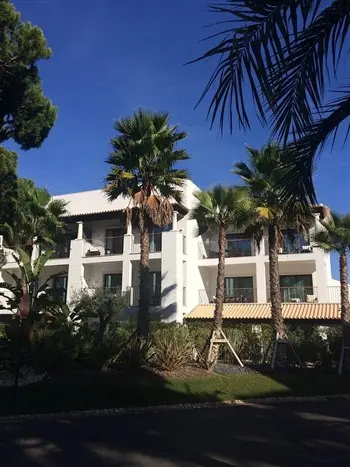
Algarve has been the summer address of choice for British and German families since the 1970s, when the first golf courses went in. The hotels have grown up since then, but the good ones have kept their gardens and their sea views intact. Several are low-rise, hidden behind umbrella pines, with no lobby glitz at all. That restraint is deliberate.
What makes an Algarve resort worth the money
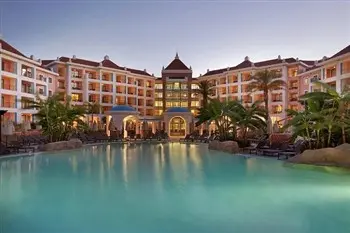
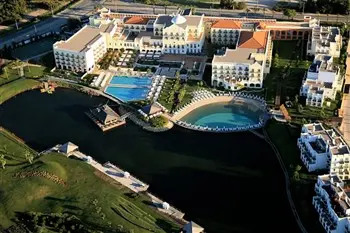
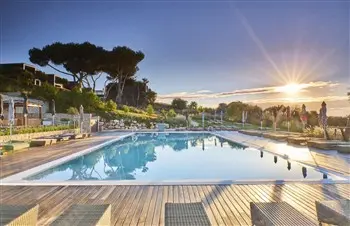
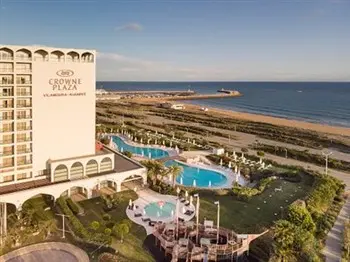
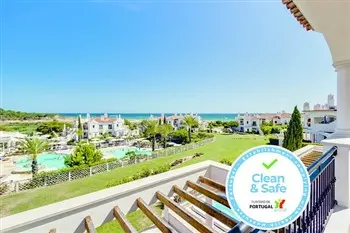
You should look for three things: direct beach access, a spa with proper therapists rather than a token treatment list, and a garden that has had thirty years to grow. Get those and the rest follows. There's no shortage of five star luxury beach resorts in Algarve, but only a handful sit directly above the water with nothing built between the lawns and the tide line.
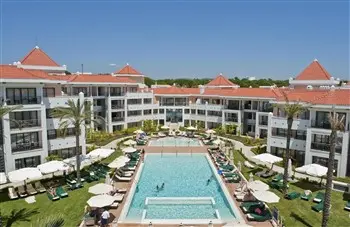
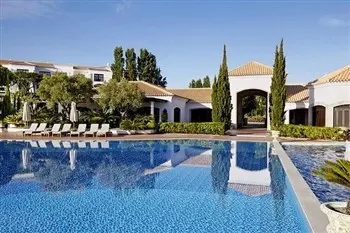
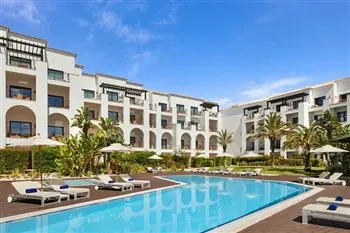
The larger properties sit east, near Vale do Lobo and Quinta do Lago, and tend to suit families. They come with kids' clubs, tennis, and enough pools that you never share one. The western resorts are quieter and smaller, often with fewer than sixty rooms. You're paying for space and silence there rather than activities.
Where to stay
Vila Vita Parc, near Armação de Pêra, spreads across 22 hectares of subtropical garden above a cove. You can walk down to the sand in about four minutes. The rooms in the main building feel a bit dated in the corridors, though the suites in the newer wings are excellent, and the clifftop restaurant does a very good turbot. Breakfast on the terrace runs until eleven, which is civilised.
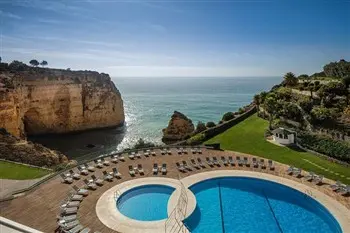
Pine Cliffs, just west of Albufeira, sits on the red cliffs above Praia da Falésia. The beach is reached by a lift and a wooden staircase, a walk of perhaps six minutes. Nine restaurants, a tennis academy, and a spa that uses the local citrus in its treatments. It works well for mixed generations, including grandparents, small children, and the sort of teenager who wants wifi by the pool. Golfers get the nine-hole course right there.
Then there's the Domes Lake Algarve, close to Vilamoura marina. It's more contemporary than the others: dark wood, deep sofas, a lake with resident swans. You can walk to the marina in fifteen minutes for dinner. The rooms facing the lake are worth the supplement; the ones facing the road are not.
The quieter end
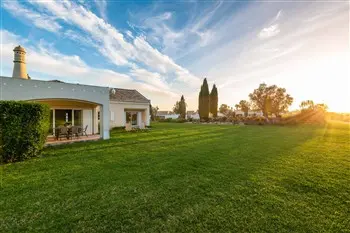
Head west towards Sagres and the landscape opens up. Fewer people, more wind, and a handful of small hotels that feel like private houses. The Martinhal Sagres has family villas with their own gardens, and the beach below is often empty by four in the afternoon. It's not a resort in the traditional sense, but it has the facilities of one.
You'll want a car out here. The roads are empty and the drive along the coast towards Aljezur takes you past cork oaks and small fishing villages where lunch costs about 15 euros for two. The seafood is grilled simply: sardines, mackerel, the occasional octopus. If you're not driving, taxis are cheap and reliable, though the local drivers have a relaxed attitude to the speed limit.
When to go
June and September are the sweet spots. The water is cold in June, about 19 degrees, but the beaches are quiet and the prices drop by a third. July and August bring families and full rates, and the beaches at Quinta do Lago fill up by ten in the morning. October is still warm enough for lunch outside, though the sea starts to chill.
Spring is lovely for golf and walking, and the wildflowers in March and April along the cliff paths are worth the trip on their own.
What to expect from the service
Algarve hospitality is friendly but never obsequious. You'll be greeted by name after the second day, and the concierge will remember your dinner reservation without being asked twice. The staff tend to be local and stay for years, which tells you something about how the places are run. English is spoken everywhere, and the pace is unhurried.
There's a general assumption that you want to be left alone. That comes as a relief after the more formal style of some French and Italian resorts, where you're asked how you slept every morning, sometimes twice.
You come for the beach and the light. You stay because nobody bothers you.
The World's Top Luxury Resorts lists three Algarve properties in its current edition. All of them are on the coast between Albufeira and Lagos.
You'll find that the best of the five star luxury beach resorts in Algarve share one quality: they don't try too hard. The service is present but invisible. The gardens are mature. The beaches are just there, below the cliffs, with the tide going out a hundred metres and the sand warm underfoot by ten in the morning.
Book a sea-view room if you can, and ask for a high floor. The lower rooms sometimes catch the noise from the pool bar until midnight, which matters if you're an early sleeper.
For dinner, the hotel restaurants are good, but the beach shacks along the Praia da Rocha are better value. Grilled fish, a jug of vinho verde, and a table in the sand. You'll spend about 25 euros a head and remember it longer than the tasting menu.
The drive back to the airport takes about forty minutes, and there's a petrol station just before the turn-off for the A22 where the coffee is better than it has any right to be.