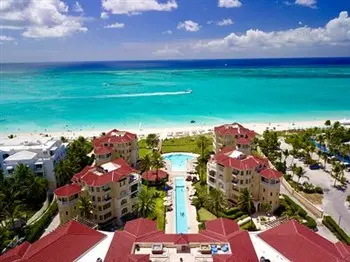
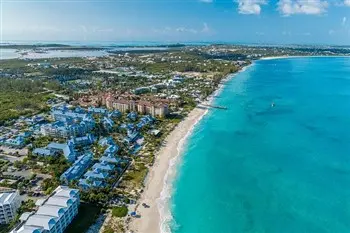
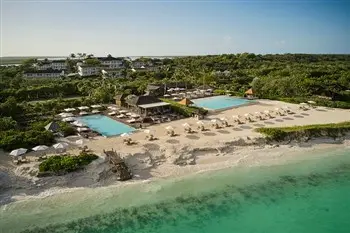
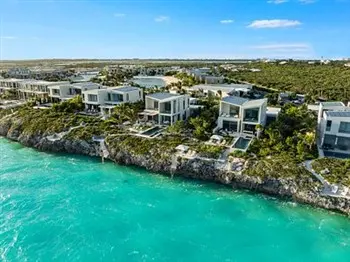
Grace Bay Beach runs for about three miles along the north shore of Providenciales, and the sand on it stays cool enough to walk on barefoot at midday. That single fact explains a good deal about why the luxury resorts here cluster the way they do. It also explains why so many people book a return trip before they've even checked out.
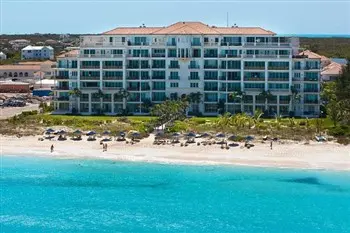
You'll fly into Providenciales International, which most people just call Provo. The airport is small, the runway is short, and the taxi ride to the Grace Bay strip takes around fifteen minutes. From the moment you turn onto the main resort road, the scale of the place becomes clear: low-rise buildings, generous gardens, and not a high-rise in sight. Planning permission has kept the skyline deliberately flat.
Where the resorts sit
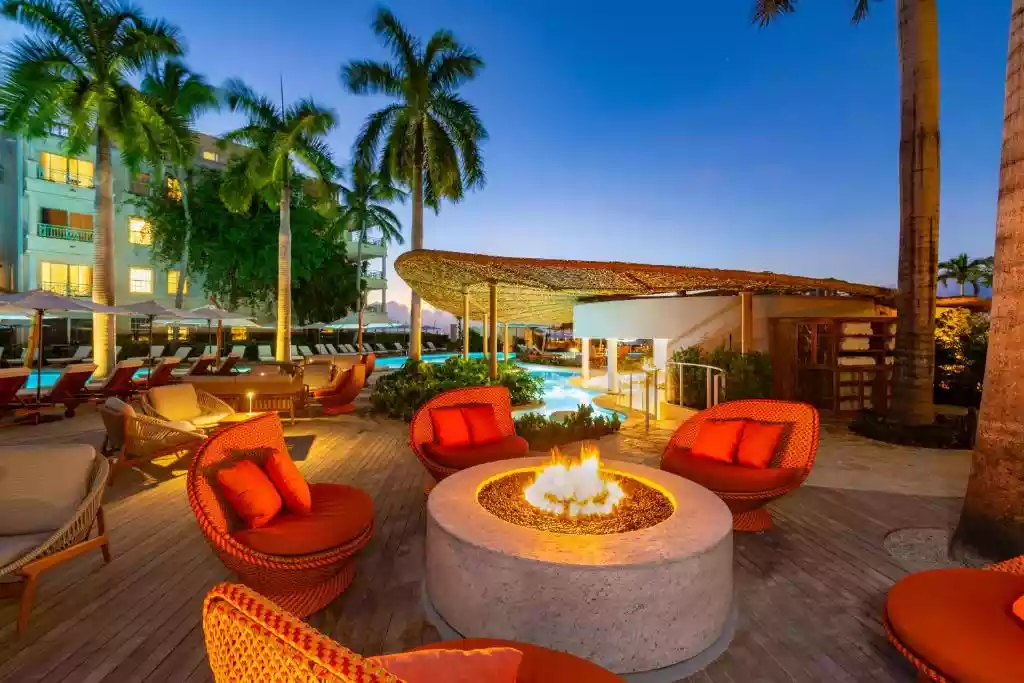
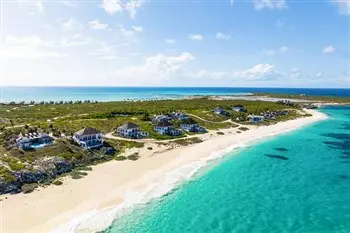
The island's five-star properties line that single stretch of coastline, which means you're never more than a short walk from the water. Amanyara occupies a remote peninsula on the northwest point of Providenciales, about forty minutes from the airport, and its pavilions face a marine park rather than the main beach. If you want the classic Grace Bay setting, the resorts along the central strip put you within steps of the sand.
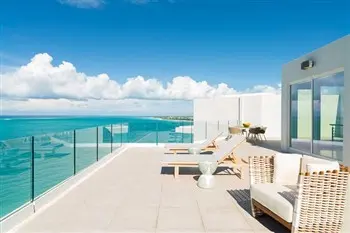
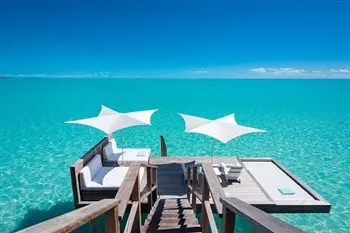
Rooms at the top end tend to be pavilions or suites rather than standard hotel rooms, often with private plunge pools and outdoor showers. You'll find that the better properties keep their guest numbers low relative to the land they occupy, so the beach never feels crowded even in peak season. Beachfront suites at the leading resorts typically start somewhere above £1,200 a night in high season, and the private villas go considerably higher.
Book well ahead if you're travelling between December and April. That window fills fast, and the best ocean-facing rooms are usually gone six to nine months out.
What the water gives you
Grace Bay's reef sits offshore and breaks the swell before it reaches the beach, which is why the water stays calm enough for swimming with small children. You can snorkel straight off the sand at several points along the bay and see parrotfish and the occasional ray in three or four feet of water. Boat charters run from the marinas at Turtle Cove and Blue Haven, and a half-day trip to the barrier reef is worth the early start.
The diving here is genuinely world-class. The wall drops off sharply beyond the reef, and experienced divers can be at eighty feet within minutes of leaving the boat. If you've never dived, most resorts arrange a discovery course in the shallow water just off the beach.
Eating and drinking
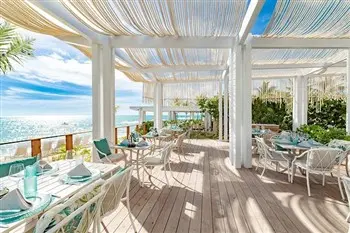
Resort dining in Turks and Caicos has moved on considerably. The best hotel restaurants now bring in chefs with serious reputations, and you'll find conch prepared every way imaginable, from cracked conch at a beach shack to a refined ceviche at a resort's signature restaurant. Fresh fish arrives daily from local boats, and the lobster season, which runs from August to March, is worth planning around.
Away from the resorts, the fish fry at Bight Park on Thursday evenings draws both visitors and residents. It's casual, loud and generous, and you'll eat well for a fraction of hotel prices. Worth knowing: many of the island's best kitchens close on Mondays and Tuesdays, so check before you set your heart on somewhere.
Spa, sport and slow afternoons
Most five-star properties here have spas that rival anything in the Caribbean, often set in open-air pavilions with gardens and reflecting pools. Treatments draw on local ingredients, and a ninety-minute massage will set you back around £180. Tennis, sailing and paddleboarding are standard inclusions at the larger resorts, and the calmer mornings suit a paddle along the shoreline before the wind picks up.
Golfers have the Royal Turks and Caicos Golf Club at Grace Bay, an eighteen-hole championship course that winds through the resort area. Green fees run to about £200 in season, and the course is walkable in the cooler early hours.
Afternoons tend to slide by. You'll swim, read, order something cold, and lose track of the time entirely. That rhythm is the point of the place, and the resorts here understand it well enough not to over-schedule you.
When to go
December through April is the dry season, with temperatures in the high twenties and steady trade winds. It's also the busiest and most expensive period. May and June are quieter and still warm, though you'll see more rain. The hurricane season runs from June to November, and September and October are the riskiest months; several resorts close entirely during that stretch for maintenance and refurbishment.
Whichever month you choose, pack light. The dress code everywhere is relaxed, even at the smarter restaurants, and you'll spend most of your days in swimwear and a cover-up.
Getting there and getting around
Direct flights from London take about nine hours to Provo, and several carriers run the route with a stop in the US or the Caribbean. Once you're on the island, taxis are plentiful but not cheap, and a car hire gives you the freedom to explore beyond Grace Bay. The island is only about twenty-five miles long, so you can cross it in under an hour.
Do take a day to drive the south coast, where the water is rougher and the beaches are empty. You'll pass salt flats, small settlements and the occasional flock of flamingos at the salt ponds near Wheeland. It's a different island entirely from the polished strip you left behind.
The best rooms book out first, so it helps to have someone who knows the properties match you to the right one. We've stayed at these resorts, know which suites catch the best light, and can secure the rates and extras that don't appear online. If you're ready to plan, get in touch and we'll build the trip around you.
The conch fritters at the airport café cost about eight dollars and are better than they need to be.