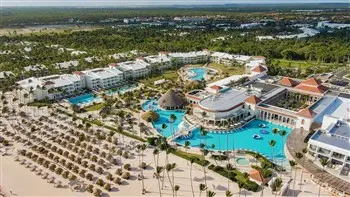
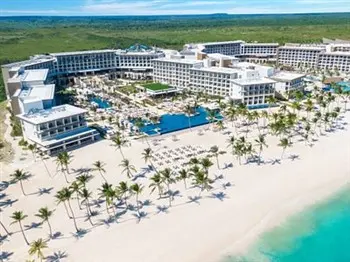
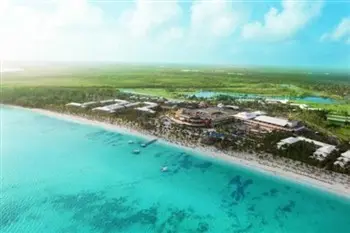
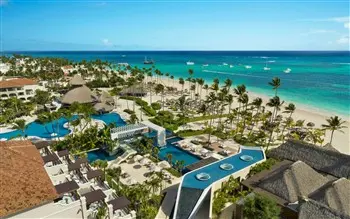
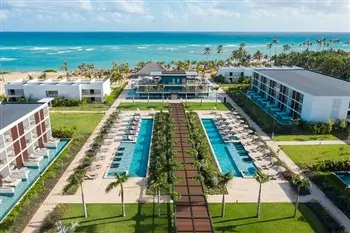
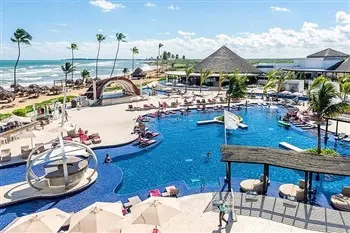
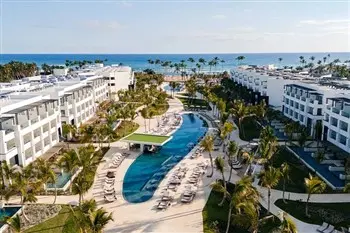
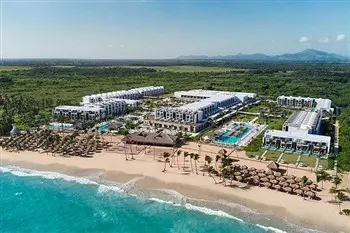
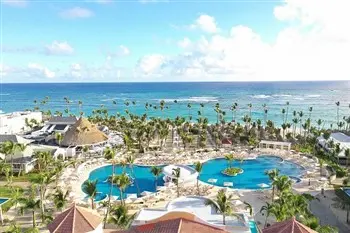
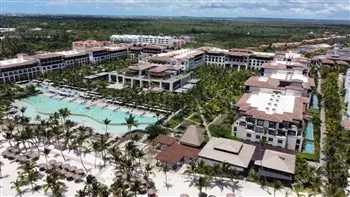
Punta Cana sits on the eastern tip of the Dominican Republic, where the Atlantic meets the Caribbean and the sand runs for about 30 miles along the coconut coast. The flight from Madrid takes around eight hours; from New York, four. You'll clear immigration at Punta Cana International Airport, step outside into the heat, and be at your resort gate within twenty minutes.
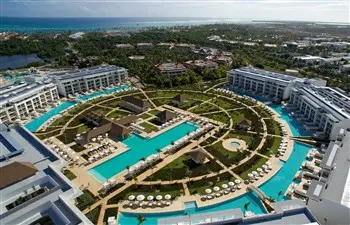
This stretch of coastline is where The Worlds Top Luxury Resorts tend to cluster, and for good reason. The water is calm on the Caribbean side, the reef breaks the swell, and the beaches are wide enough that even at full occupancy you can find a stretch of sand to yourself.
What separates the best from the rest
Not every five-star property in Punta Cana is equal. You'll find plenty of large all-inclusive hotels with impressive lobbies and busy buffets. The Exclusive 5* Luxury beach resorts in Punta Cana operate differently: smaller room counts, higher staff-to-guest ratios, and a level of service that anticipates rather than reacts.
At the better properties, your butler will learn your coffee order by the second morning and have it waiting on your terrace before you've fully woken up. Housekeeping turns down your suite while you're at dinner and leaves the mosquito netting drawn. These are small things, but they add up to a stay that feels effortless.
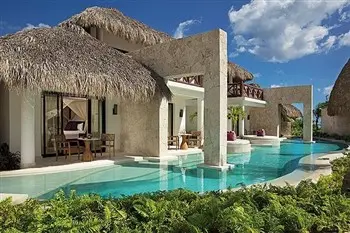
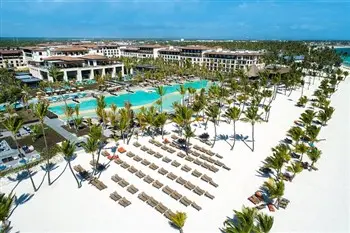
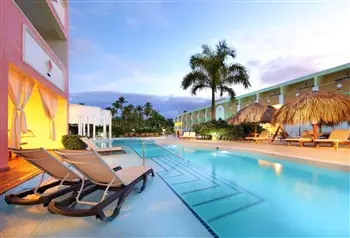
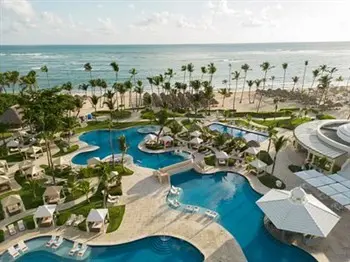
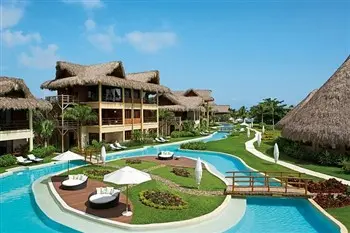
The suites themselves tend to be generous. You're looking at 80 to 120 square metres, often with a private plunge pool, an outdoor shower, and a terrace facing the water. The bathrooms are stocked with full-size amenities rather than the tiny bottles you'd expect elsewhere. Some properties offer swim-up suites where you step from your terrace directly into a shared pool that winds through the grounds.
The beaches and the water
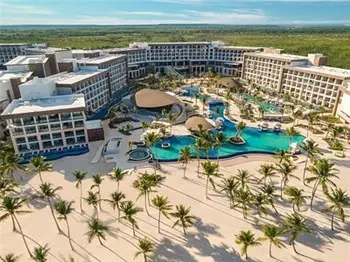
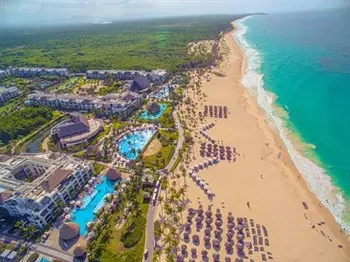
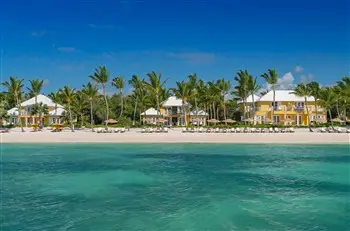
Bávaro Beach is the postcard: pale sand, palm trees leaning at improbable angles, water in shades of turquoise that shift with the light. Uvero Alto, further north, is quieter and slightly wilder, with fewer hotels and more space between them. If you want seclusion, that's where to look.
You can snorkel straight off the beach at several properties, though the reef is more accessible by boat. Catamaran trips leave most mornings and take you out to spots where the coral is intact and the fish are plentiful. Deep-sea fishing is available if you're inclined; mahi-mahi and marlin are the draws.
The water stays warm year-round, hovering between 26 and 29 degrees Celsius. You'll swim comfortably at any time of day, though the afternoon sun is fierce and you'll want shade by two o'clock.
Dining and drinking
The better resorts bring in chefs from Europe and Latin America, and the difference shows. You'll find tasting menus built around local seafood, aged rum flights, and ceviche made with fish landed that morning. Several properties maintain cellars of a few hundred labels. One I visited keeps its vintage Champagnes at a steady 8 degrees and pours them by the glass at the beach bar.
Breakfast is typically a generous affair: tropical fruit cut to order, eggs cooked however you like them, fresh pastries, and strong Dominican coffee. You'll find the coffee excellent everywhere. Lunch tends to be casual, often served barefoot at a beachside grill. Dinner is the main event, and you'll want to book your restaurant reservations when you arrive rather than leave it to chance.
Spa and wellbeing
Most of the leading properties have spas of genuine quality. Treatments use local ingredients: cacao, coconut, coffee, and the amber-coloured honey produced nearby. You can book a couples' massage in a pavilion open to the sea breeze, with the sound of the waves as your soundtrack. The hydrotherapy circuits are worth an afternoon. So is the simple act of lying still in a hammock for an hour.
Yoga is offered most mornings on the beach or in an open-air pavilion, and the instructors tend to be excellent. You don't need to be experienced. You just need to show up.
Golf and activities
Several resorts share access to championship courses designed by the likes of Pete Dye and Jack Nicklaus. The Punta Espada course at Cap Cana is particularly striking, with several holes playing directly along the cliffs. Green fees at the top courses run from around $200 to $400 depending on the season, and you'll want to book tee times well ahead.
Beyond golf, you can arrange horseback riding on the beach, kite surfing lessons, or a day trip to the Altos de Chavón, a reconstructed 16th-century Mediterranean village on a bluff above the Chavón River. It's a curious place, and the views are extraordinary. The stonework is meticulous.
When to go
The dry season runs from December to April, and that's when you'll see the most reliable weather. Temperatures sit between 24 and 29 degrees, the humidity is lower, and the rain is infrequent. May through November brings more heat and more rain, though showers tend to pass quickly. Hurricane season peaks in September and October, and rates drop accordingly.
If you're flexible, late November and early December offer a good balance: the crowds haven't yet arrived, the weather is settling, and the rates are still reasonable. You'll need to book well in advance for the Christmas period, when the best suites sell out a year ahead.
Practical notes
You'll fly into Punta Cana International Airport (PUJ), which has direct connections from most major cities in the Americas and Europe. Transfers to the resorts are short and can be arranged by your hotel. You'll need a valid passport, and a tourist card is included in your airfare. The currency is the Dominican peso, though US dollars are widely accepted. Tipping is customary: a few dollars a day for housekeeping, a little more for butlers and servers.
Pack light. You'll spend most of your time in swimwear and linen. One smart outfit for dinner is enough. And bring a good book. The hours between a swim and dinner are long and unhurried.
The gift shop near the lobby sells a particular brand of Dominican rum in a squared-off bottle that doesn't quite fit in a carry-on.