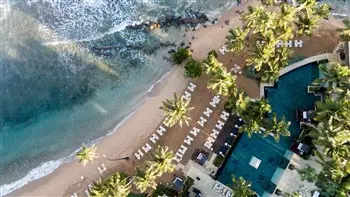
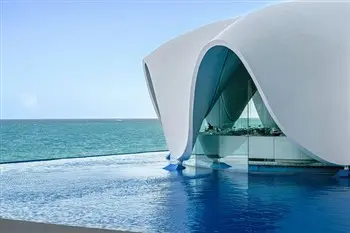
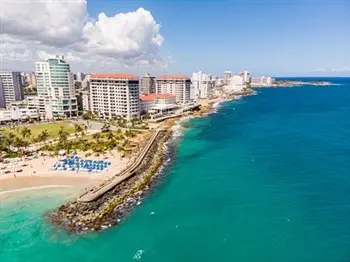
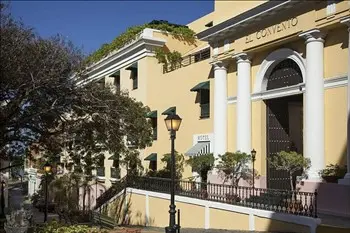
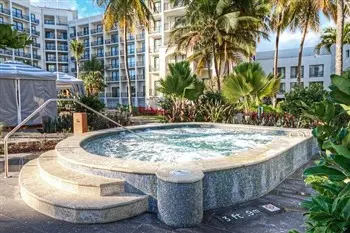

Puerto Rico has 270 miles of coastline and a hotel scene that tilts heavily toward the north-east corner, where the Atlantic meets the gates of Old San Juan. The island's five-star beach properties cluster along that strip, with a smaller, quieter group out east past the rainforest. You can drive the whole thing in an afternoon if the traffic behaves.
Start with the ocean. Water temperatures sit between 26°C and 29°C year round, so a January swim feels much the same as a June one. Hurricane season runs from June to November, and the resorts price accordingly: you'll see room rates drop by forty per cent in September compared with the same room at Christmas. If you don't mind a passing shower, that's a serious saving.
San Juan and the Condado strip
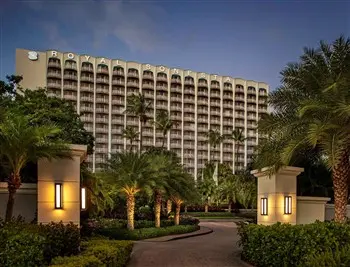
The hotels closest to the airport put you twelve minutes from baggage claim to a sun lounger. That proximity matters more than it sounds after a long flight with a connection in Charlotte or Miami. Service at this end of the island is polished and slightly formal, with bell staff in linen jackets and a concierge who can get you a table at a restaurant that claims to be fully booked.
You'll pay for the address. Expect resort fees of around $45 a night on top of the room rate, and valet parking at $30. Breakfast for two, if you take it in the main dining room rather than the cafe by the pool, runs close to $80. These aren't hidden charges, but they add up across a week.
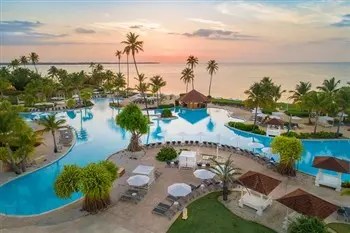
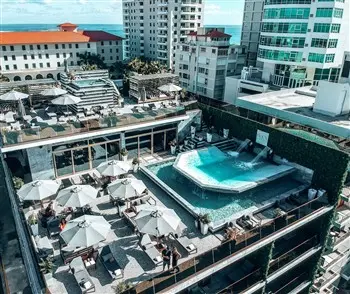
What you get in return is a stretch of beach with full service, towels that appear before you've settled, and a pool complex that stays open until eleven. The sand here is golden rather than white, and the surf has enough movement to make swimming feel like an activity rather than a soak. I'm told the snorkelling off the eastern end is decent, though I didn't get in the water there myself.
Book a corner room on a high floor if you can. The difference in outlook between the fourth and ninth floors is more dramatic than the price gap suggests.
The east coast and the rainforest
Drive east for forty minutes and the landscape changes. The road narrows, the resorts thin out, and you begin to see the peaks of El Yunque rising behind the palms. This is where the island's most exclusive properties sit, and they trade the convenience of San Juan for space.
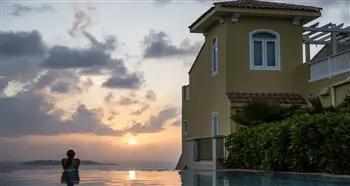
A five-star resort on this stretch typically holds fewer than 120 rooms spread across low-rise buildings, with a private beach that guests share with nobody else. You'll notice the quiet first. Then you'll notice the birdsong, which starts around half past five and doesn't let up.
The watersports here are genuinely good. Kayaking through the mangrove channels behind the property takes about two hours and costs nothing beyond your room rate at most of these hotels. Deep-sea fishing charters leave from the marina at six in the morning and return by noon with whatever the day offers.
Golfers should know that the championship course attached to the largest resort on this coast was designed by a name you'll recognise, and the greens fees for guests sit at $195 including a cart. The course is walkable in the early morning before the heat sets in.
What separates the best from the rest
Every property on this list has a pool, a spa and at least three restaurants. The distinctions come down to smaller things: whether the staff remember your name by the second day, whether the beach attendant adjusts your umbrella without being asked, whether the turndown service leaves water and a weather card for the next morning.
You should also look at the ratio of suites to standard rooms. A resort where half the inventory is suites tends to feel less crowded at breakfast and around the pool, because the guest count is lower relative to the footprint. That's not a guarantee, but it's a useful signal when you're comparing two properties at similar rates.
Food is the other dividing line. The strongest kitchens here source fish from the boats at the marina and produce from farms in the central mountains, and you can taste the difference in something as simple as a breakfast plate of fruit. Weaker operations rely on imports and it shows in the texture of the mango.
At this level the staff tend to anticipate what you need rather than waiting to be asked, and that single habit tells you more about a property than its lobby or its wine list.
Spa treatments at this level run from $180 for a fifty-minute massage to $450 for a half-day ritual with lunch included. Book ahead for weekend slots, which fill up with local residents as well as guests.
When to go and how to book
December through April is the dry season and the busiest stretch. Rates peak over the holidays and stay high through Easter. May and early June offer similar weather with softer pricing, and the crowds thin out noticeably once the school term resumes.
For the best selection of rooms, book three to four months ahead. Direct bookings often include a resort credit of $100 or a free night on a five-night stay, and it's worth asking about both when you call. Travel agents with relationships at these properties can sometimes secure an upgrade that isn't available online.
Pack light. Laundry service at these hotels is quick and reasonably priced by five-star standards, and you'll want the suitcase space for coffee from a farm in the central mountains. The beans sold at the airport cost about $18 a bag and are as good as anything you'll find in town.
One last thing worth knowing: the pools at the east coast properties tend to close at seven, an hour before dinner service begins in the main restaurant.