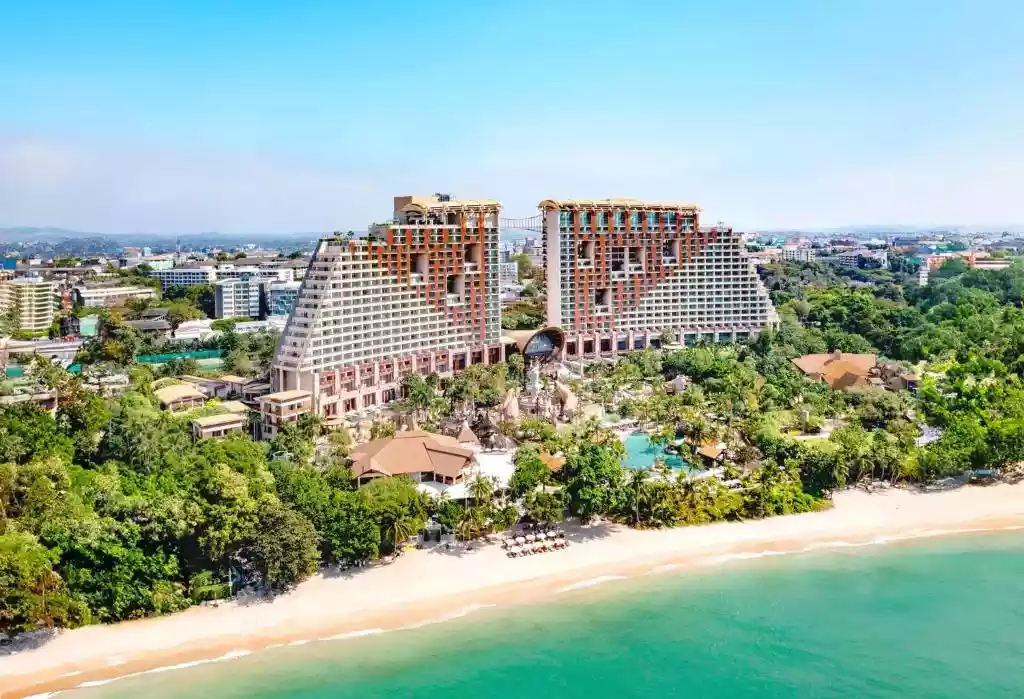

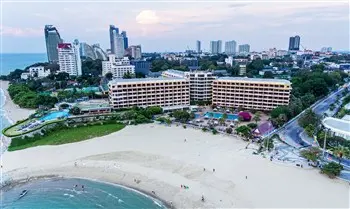
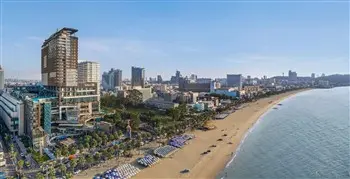
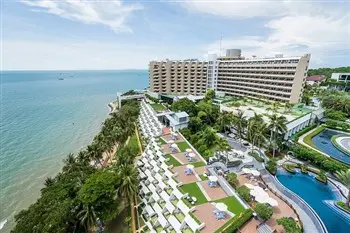
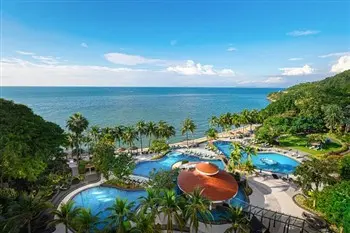
Pattaya sits on a bay that curves for about four kilometres, and the beach road runs the length of it with the water on one side and a wall of glass-fronted buildings on the other. You'll feel the heat the moment you step out of the terminal at U-Tapao, a 45-minute drive from most of the resorts on this stretch.
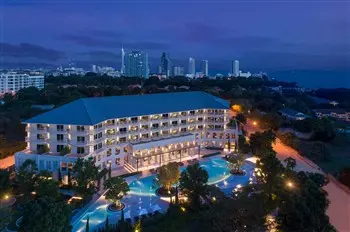
What surprises people who arrive expecting a single town is how divided the coastline is. North Pattaya, where the larger five-star properties sit, feels almost separate from the centre: quieter traffic, wider pavements, a beach that's raked each morning before the deckchairs go out.
Where the Exclusive 5* Luxury Beach Resorts in Pattaya Actually Stand
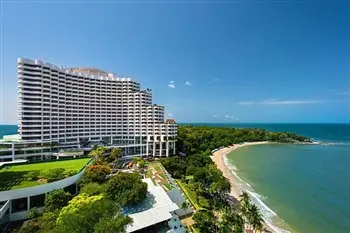
Most of the properties worth your time cluster along Beach Road and the Wongamat headland just beyond it. Wongamat is the northern curve, sheltered enough that the sea stays calm through the wet months, and it's where several of the resort gardens run straight down to the sand.
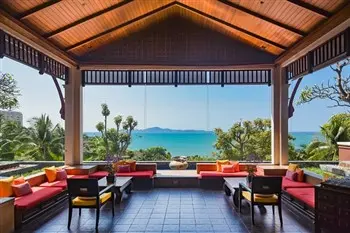
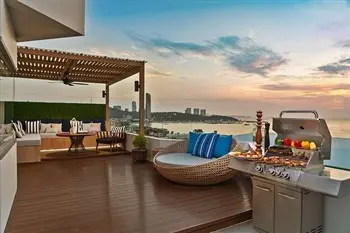
You'll want to know which side of the bay you're booking. Sunset-facing rooms look west across the water towards the islands; the others face inland and are cheaper by perhaps 30 per cent for identical square footage. Both are pleasant. Only one gives you the view everyone photographs.
The islands themselves, Koh Larn chief among them, sit about seven kilometres offshore and are visible from most of the northern beaches on a clear morning. Several resorts run their own boat transfers, which saves you the pier crowds at Bali Hai.
What a Five-Star Stay Looks Like Day to Day
Breakfast at this level is usually a buffet with an egg station, three or four Asian hot dishes, pastries baked on site and a juice bar. It runs from six until half ten, and the best tables are the ones closest to the garden doors, where the shade holds until nine.
Housekeeping tends to come twice daily. You'll notice the evening turndown more in the details than the bed: fresh towels, water replenished, the curtains drawn against the late sun. It's the kind of service that's easy to take for granted by day three.
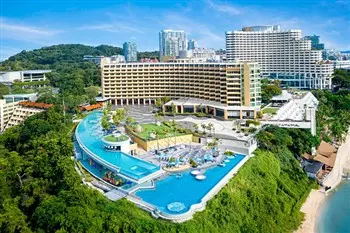
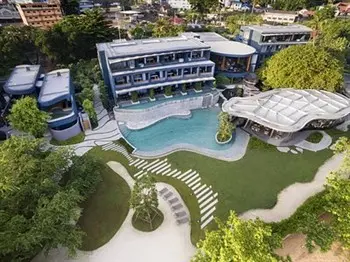
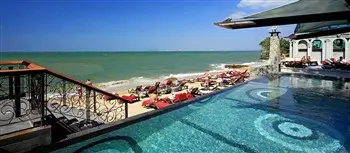
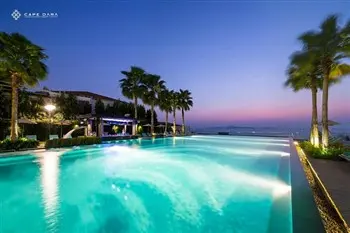
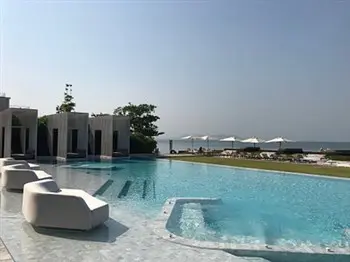
Pools are the other differentiator. The larger resorts on this coast generally run two or three: an infinity edge facing the sea, a quieter lap pool set back in the gardens, and often a shallower one near the family wing. If you're travelling without children, ask which pool the families use before you book. The reservations team will tell you straight.
- Private beach access with attendant service at most northern properties
- Airport transfers from U-Tapao or Bangkok Suvarnabhumi arranged on request
- Spa facilities with Thai herbal treatments, usually open until 9pm
- Kids' clubs at the larger family-oriented resorts
- Complimentary shuttle into the centre every hour or so
The spa side deserves a mention on its own. Traditional Thai massage here is taught through a formal training programme, and the better resort spas employ therapists with years of practice behind them. A 90-minute session runs somewhere between 2,500 and 4,000 baht depending on the property. I'm not certain the price gap always reflects a difference in quality, though the surroundings certainly differ.
Choosing Between the Northern and Central Stretches
Your decision comes down to two things: how much you value quiet, and whether you'd rather walk to dinner or take a car. North Pattaya gives you the first and not the second. The centre gives you both, at the cost of noise until about two in the morning.
Wongamat wins on setting. The headland blocks the worst of the traffic sound, the sand is cleaner, and the sea is swimmable through more of the year than it is further south. You get a slower rhythm up there, and a quieter one. It's a different holiday from the one the centre offers, even though the two are fifteen minutes apart.
For families, the central resorts make more sense: shorter walks, more restaurants within reach, and easier access to the water parks and shopping complexes. Couples tend to fare better in the north, where the evenings are spent on a terrace rather than in a crowd.
When to Go and What to Expect
The dry season runs from November to February, when humidity drops and the sea flattens out. Rates climb accordingly, and the best rooms go early: book three months ahead if you want a sea-facing suite in January.
March and April are hotter, touching 35 degrees most afternoons, but the resorts are quieter and the pools emptier. May to October brings the rain, usually in short afternoon bursts rather than all-day downpours, and the green season rates can be 40 per cent lower.
Pack light. Laundry service at these properties is fast and reasonably priced, and you'll live in swimwear and linen for most of the trip. A light layer for air-conditioned restaurants is worth the space.
One practical note on transfers: Bangkok's Suvarnabhumi is about two hours by road, and the resort cars are comfortable but the motorway traffic out of the city on a Friday afternoon is not. Allow more time than the booking confirmation suggests.
Why This Coast Belongs on the Shortlist
Pattaya doesn't have the isolation of a private island, and it isn't trying to. What it offers is a concentration of well-run five-star properties within a short drive of an international airport, a working coastline, and enough variety in the surrounding area to fill a fortnight. That combination is rarer than it sounds.
For anyone working through a list of the world's top luxury resorts, this bay deserves a place on it, though for different reasons than the Maldives or the Amalfi coast would earn. Here the appeal is convenience without much compromise: you can be in the sea by mid-morning and at a Michelin-listed table by eight in the evening.
The Exclusive 5* luxury beach resorts in Pattaya reward a bit of homework. Match the property to the trip you're actually taking, ask about the pool and the view, and book the transfer in advance.
The night market two streets back from Wongamat sells mango sticky rice for 60 baht until about eleven.