Panay is the sixth-largest island in the Philippines, and its coastline runs to something like 700 kilometres of bays, straits and river mouths. The beaches that matter for a luxury stay cluster in three places: Boracay's White Beach in the north, the Antique shore to the west, and the scattering of coves around Roxas and Capiz on the north-eastern side.
You'll fly into Caticlan if you're heading for Boracay, or Kalibo if you're not in a hurry and don't mind seventy minutes in a van. Iloilo takes the longer flights and puts you within reach of the whole island. Transfers are arranged by the resorts themselves, and the good ones have a staff member waiting at arrivals with your name on a card.
White Beach, Boracay
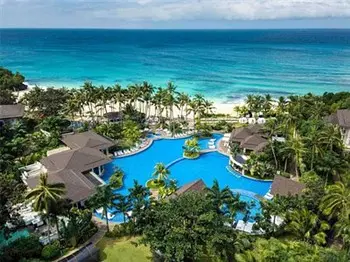
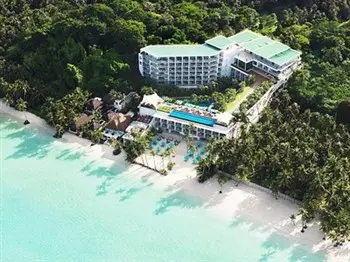
The sand on White Beach is the reason people keep coming back. It's fine enough to squeak underfoot and stays cool through the middle of the day, which you'll appreciate more than you expect. The beach is divided informally into three stations, and the quietest stretch sits at Station 1, away from the boat traffic around the jetty.
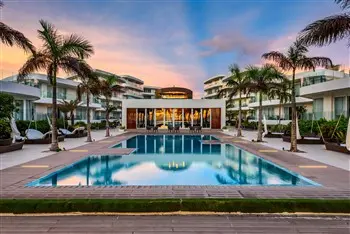
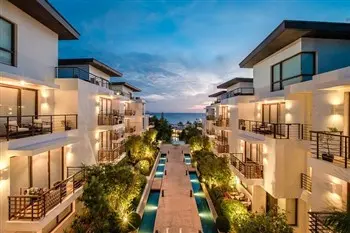
Several five-star properties line that northern section. You're looking at around 400 to 600 pounds a night in high season for a sea-facing room, and Christmas week roughly doubles it. Book six months out for December. Rooms at the front of these resorts catch the sunset directly; garden rooms are cheaper and you'll walk thirty seconds further for the same view.
The resorts here handle the awkward part of Boracay well, which is the paperwork. Environmental fees, boat tickets and terminal charges get bundled into a single transfer, so you don't queue at three separate windows with a suitcase. Ask for the private boat if it's offered. It's a small surcharge and it takes fifteen minutes off the crossing.
The Antique Coast
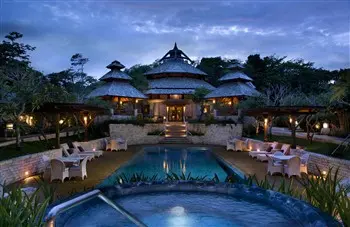
Head west from Kalibo and the island changes character entirely. The road runs along the coast for about two hours, past rice fields and small fishing villages, and ends at a handful of resorts built into the hillside above the water. These are quieter places, with twenty or thirty rooms rather than two hundred.
What you get in exchange is space. The beaches here are wide, often empty, and the water is clear enough to see the reef edge from a standing position. Staff will pack a lunch and drop you at a sandbar with a cooler and a radio. It's my favourite kind of luxury: fewer people, more silence, and a kitchen that cooks what the boats bring in that morning.
The rooms tend toward the open-air end of things, with outdoor showers and verandas built for the evening. Bats come out over the treeline at dusk. You'll hear them before you see them. Some properties have a resident naturalist who runs a short walk before breakfast, and it's worth the early start if you want to know what you're looking at.
The North-Eastern Coves
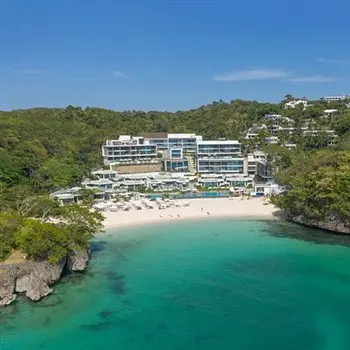
Around Roxas and the Capiz coast, the shoreline breaks into small coves backed by limestone. Resorts here are newer and smaller, and several occupy a whole cove to themselves. You'll pay less than on Boracay for a comparable standard of room, though the trade-off is fewer restaurants within walking distance.
Access is by road from Kalibo, about ninety minutes, or by a short hop in a light aircraft that some properties will arrange. The diving off this coast is good, with healthy coral and a fair number of reef fish, and most resorts keep a boat and a dive master on staff. You can be in the water within an hour of checking in.
I'd hesitate to say which of these coves has the best beach, because the answer depends on the tide and the time of year. The one everybody photographs is not the one I'd choose, but that's a matter of taste. What's certain is that the snorkelling is better here than on the busy side of the island.
For the full list, see The Worlds Top Luxury Resorts on the main site, where these Panay properties sit alongside the rest of the collection. If you're building an itinerary, the Exclusive 5* Luxury beach resorts in Panay Island selection covers all three coasts, with notes on which properties combine well for a split stay.
Practical Notes
- High season runs from November to May; the wettest months are July and August.
- Most resorts quote in Philippine pesos, and cards are accepted widely, though a little cash helps for tips.
- Domestic flights from Manila to Caticlan take about an hour and fill up fast.
- Dress is relaxed everywhere. You'll want one collared shirt for dinner.
You don't need to move around much to see the island properly. Three nights on White Beach, three on the Antique coast and two in a northern cove makes a good ten days, with transfers arranged in advance. A private car between the west coast and Boracay costs around 4,000 pesos and takes three hours.
Most rooms on the island put the water directly in your line of sight from the bed, and there are more of those than you'd think.
Breakfast at the Antique properties is usually included, and it's a serious affair: fruit, eggs, rice, and coffee grown a few valleys over. The staff will bring a second pot to your table on the terrace if you ask.