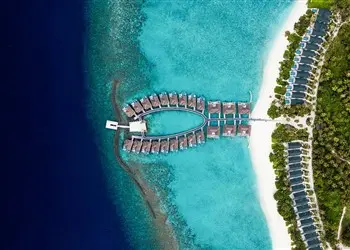

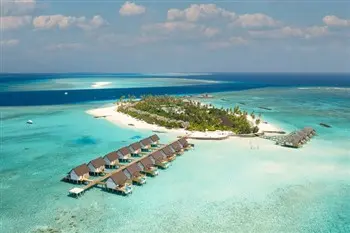
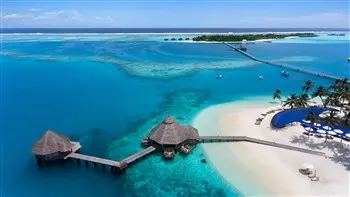
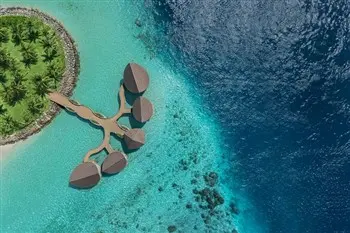
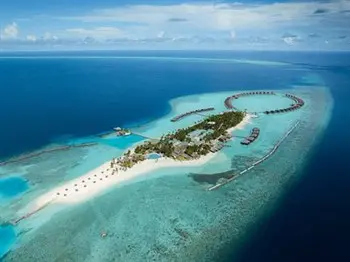
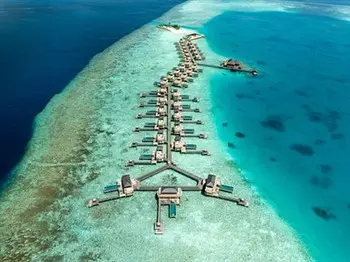
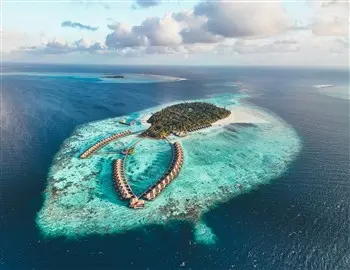
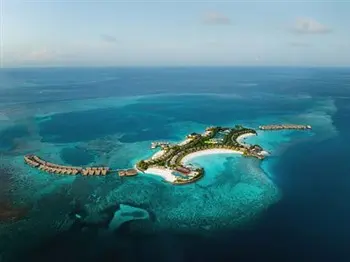

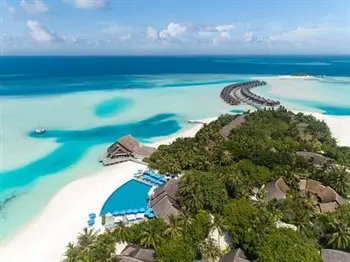

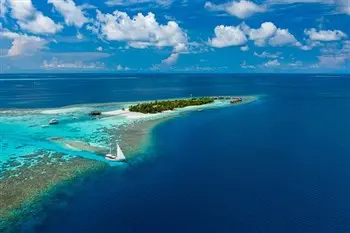
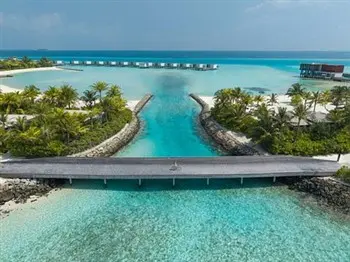
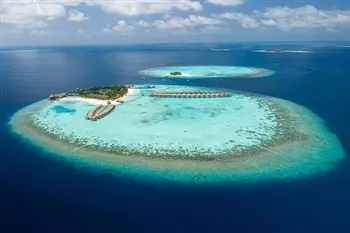
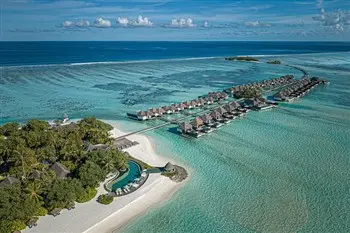
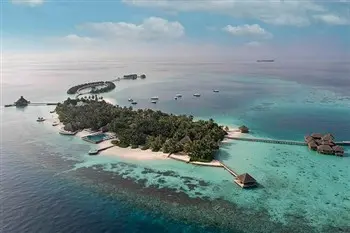
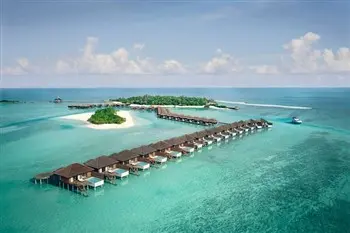


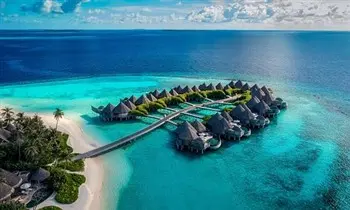
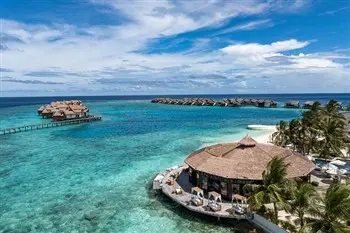
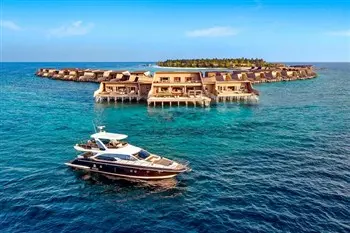
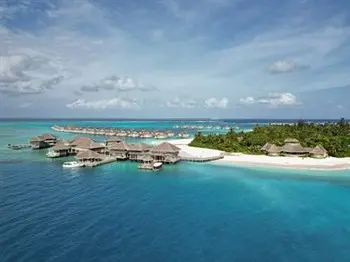
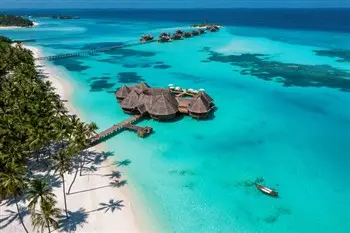

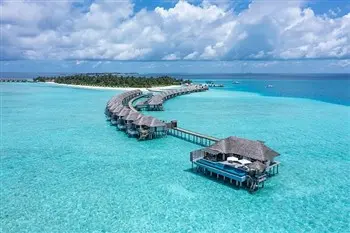

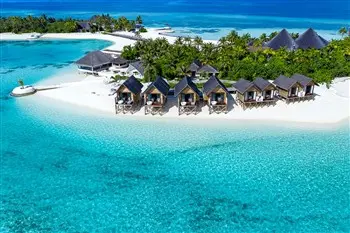
You arrive by seaplane, and the lagoon shifts from navy to turquoise to a pale, almost white green in the space of about ninety seconds before the pontoons touch down. The transfer from Male takes 45 minutes. It's a good introduction to the Maldives, because the geography does most of the persuading before you've set foot in a villa.
What separates the properties worth your money from the merely expensive ones comes down to a handful of things. House reef quality, the ratio of staff to guests, and how the resort handles the afternoon when the tide is low and the sandbar is exposed. Get those right and the rest tends to follow.
Choosing the right atoll first
You'll want to think about the atoll before the brand. North Male is the most convenient, a short speedboat hop from the airport, and it suits a shorter stay. Baa Atoll, a 35-minute seaplane flight north, has the stronger marine life and the UNESCO biosphere designation around Hanifaru Bay. If you're coming for the mantas between June and October, base yourself there and don't compromise.
Resorts in the southern atolls take a second seaplane or an internal flight, which adds time and cost: expect a domestic connection plus a boat, so plan on arriving in daylight.
Overwater or beach villa
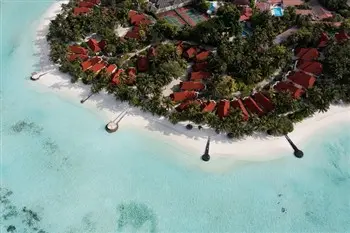
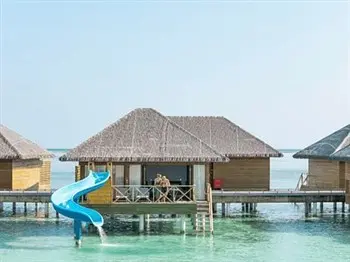
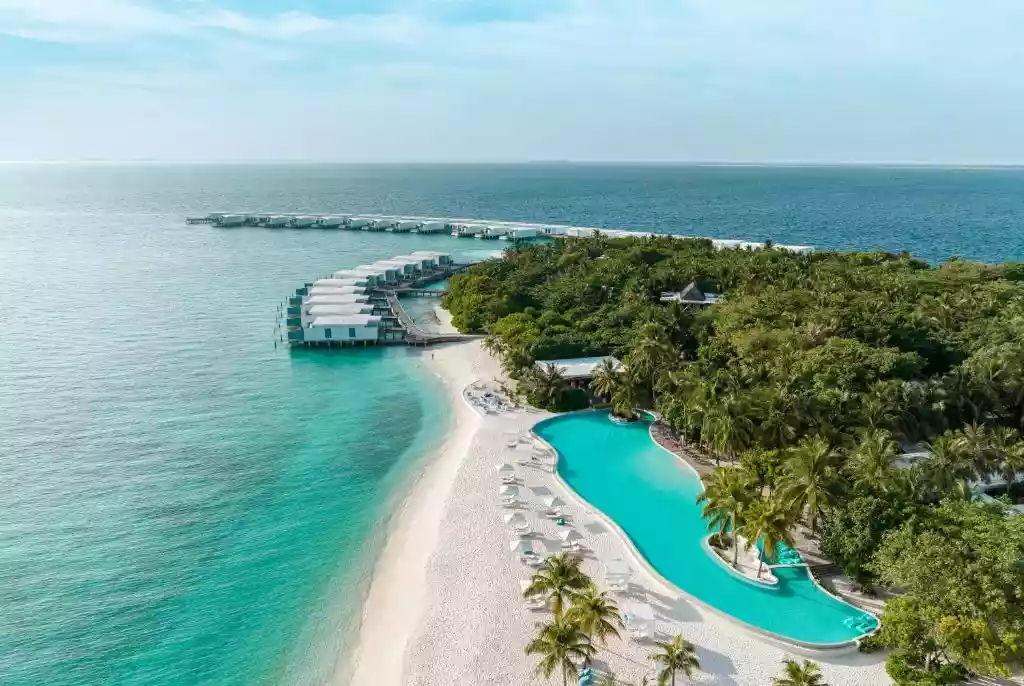
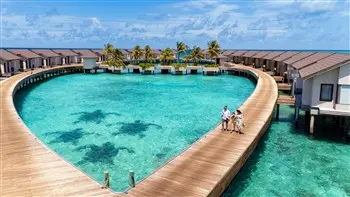
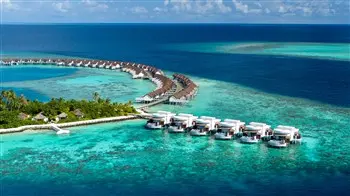
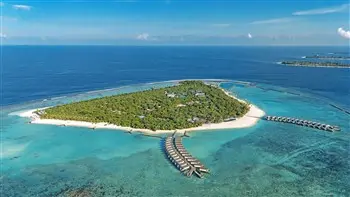
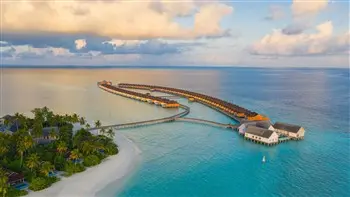
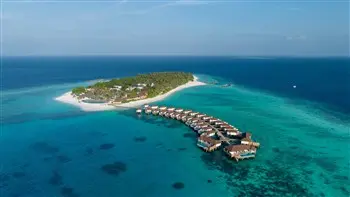
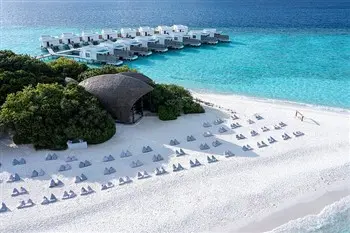
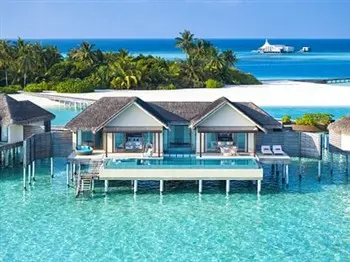
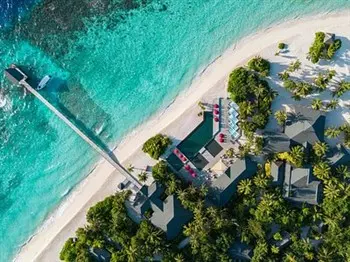
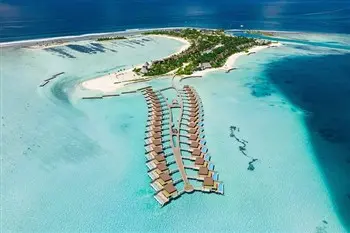
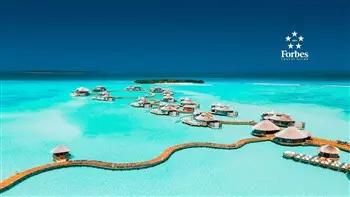
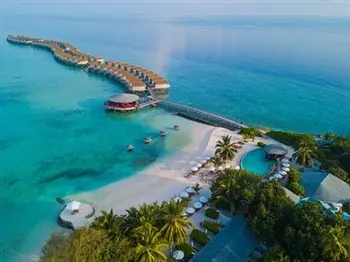
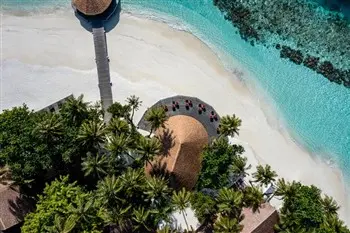
You'd assume the overwater villa is the obvious choice. It isn't always. Beach villas sit under the palms, have direct sand access, and tend to be quieter at night, when the water villas catch the wind and the waves slap against the pilings. Families usually do better on land. Couples who want the jump-off-the-deck ritual will find the overwater rooms worth it.
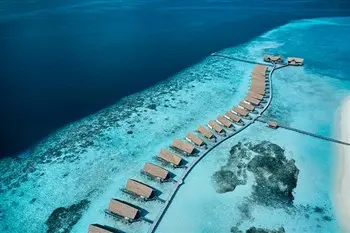
Ask about the reef access from your specific villa number, not the resort in general. Some jetties face a sandy bottom with little on it. Others drop you onto coral within ten paces.
The house reef matters more than the pool
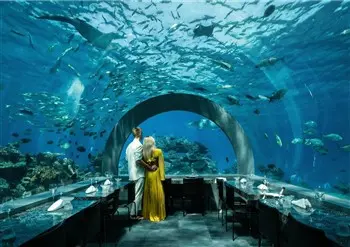
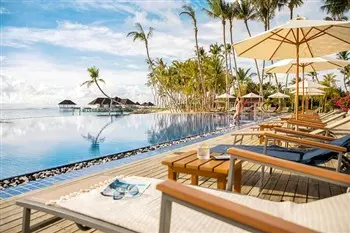
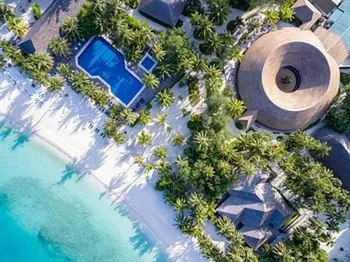
Any resort can build an infinity pool. The reef is the thing you can't fake. Look for properties that run their own marine biology programme, and ask how much of the house reef is alive rather than bleached. A good reef means you can snorkel before breakfast without booking anything. That's the appeal of the top luxury resorts in the Maldives: the marine life is within wading distance of your deck.
Guided night snorkelling, manta excursions and coral restoration dives are standard at the better properties. So are the resident marine biologists who'll tell you, over coffee, exactly what you're looking at.
What the top five-star properties get right
You'll notice the difference in the service before the décor. A butler who remembers how you take your coffee on day two, a restaurant that keeps a table open because they've noted your preference, a spa that books you in without a queue on the day you arrive. These are the small calibrations that separate an exclusive five-star stay from a good four-star one. The world's top luxury resorts tend to treat those details as the whole point.
Dining is where the Maldives has improved most in the last decade. You'll find Japanese omakase counters, a proper wine cellar, and chefs cooking to a standard that would hold up in any capital city. It's a long way from the buffet era.
Privacy, and how to protect it
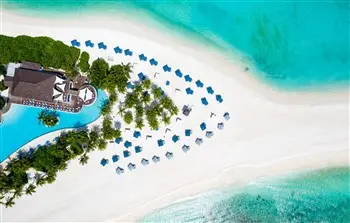
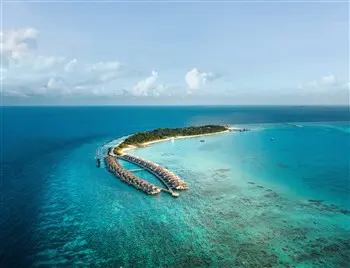
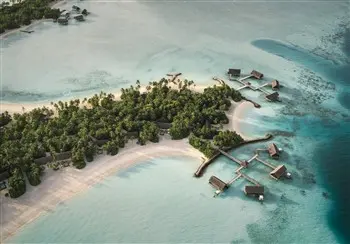
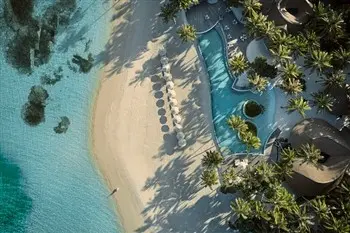
Some islands hold fewer than 50 villas, which changes the atmosphere entirely. You can walk the beach at dusk and see almost no one. Book the sunset side of the island if quiet evenings matter to you, since the main bar and pool cluster on the other side.
If you want complete seclusion, ask about the furthest villas from the main facilities. They cost more, and the walk is longer, but you gain genuine quiet. Villas at the top end of the range run to several thousand dollars a night in high season. It's worth checking what's included: some rates cover transfers, diving and dinner; others add a seaplane surcharge of around $600 per person on top.
When to go
The dry season runs from December to April: clear water, low rainfall, and the highest rates. May to November brings more rain and better value, though the diving and manta snorkelling in Baa Atoll peak in the wetter months, so a July trip can be the smarter choice for marine life. Rates drop by 30 per cent or more outside peak dates.
Seaplane transfers only operate in daylight, which catches some travellers out. If your flight lands after about 3pm, you'll most likely overnight near the airport and fly out the next morning. Worth knowing before you book the long-haul leg.
The practicalities
Most nationalities get a 30-day visa on arrival. Pack reef-safe sunscreen, since the Maldives bans certain chemical filters, and bring your own mask if you're particular about fit. Resorts stock snorkels but the fit varies from face to face.
Wi-Fi is reliable across the larger islands, less so on the remote ones. If you need to work, confirm coverage before you book.
Finally, choose the resort for the trip you're actually taking. A honeymoon, a family holiday and a diving week each point to different islands. Exclusive 5* luxury beach resorts in Maldives are not interchangeable, whatever the brochures suggest. Match the island to the reason you're going, and the rest of the planning gets much simpler.
The seaplane back to Male leaves at 9.40 the following morning, and they weigh your bags on the jetty.