











South Goa's coastline runs for about 25 kilometres, and much of it is still backed by casuarina trees rather than hotel towers. The five-star properties here sit behind those trees, which is why the beach often feels quieter than the brochure photographs suggest. You'll notice it first from the water: the Arabian Sea stays shallow for a good 30 metres out, warm enough that you can wade in up to your waist without bracing yourself.
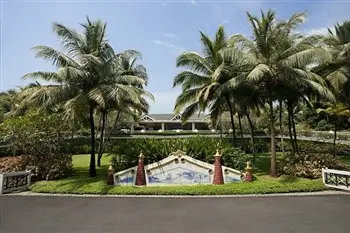
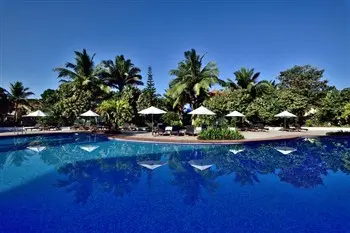
If you're comparing this stretch of coast with the better-known resorts of the Maldives or the French Riviera, the difference lies in scale. Goa's luxury hotels tend to be low-rise, spread across 20 or 30 acres of gardens, and built around existing coconut groves rather than cleared land. You get privacy without the sense of being sealed off from the state around you.
What distinguishes the best properties
The strongest resorts in South Goa share a few traits. Rooms open onto either a private plunge pool or a garden courtyard, and the better ones face west so you catch the sunset from your own veranda. You'll also find that the top-tier properties employ concierges who can arrange everything from a chartered boat to a private dinner on the sand, usually with a day's notice.
Spa facilities here are worth taking seriously. Most of the five-star hotels run full ayurvedic programmes with resident practitioners, and a standard consultation lasts around 45 minutes. Treatments draw on locally sourced oils and herbs, and the better spas will tailor a multi-day plan rather than push a single massage.
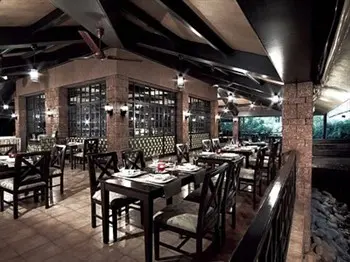
Dining is where Goa's luxury resorts have improved most in the past decade. You can expect at least three restaurants on site, one of which will serve regional Goan cuisine rather than a diluted international menu. The best kitchens buy fish from the morning market at Betul or Margao and put it on the table the same day.
How to choose between them
Your decision will come down to what you want from the days between arrival and departure. Some properties are built for families, with kids' clubs, shallow lagoon pools and interconnecting rooms. Others cater almost exclusively to couples, and the atmosphere reflects that: fewer sun loungers, longer lunches, no music by the pool.
Consider the season, too. The best weather runs from late November to February, when humidity drops and the sea stays calm. Rates peak over Christmas and New Year, sometimes doubling, so a stay in early March will cost less and still give you clear skies. The monsoon, from June to September, closes many beach operations entirely.
You should also weigh the transfer. Dabolim airport sits about 30 kilometres north of the main South Goa resort cluster, and the drive takes 45 minutes to an hour on the coastal road. Some hotels offer private transfers; others will arrange a car at a surcharge of around 2,500 rupees.
The finest resorts here don't try to compete with the sea. They arrange themselves around it and let the coastline do most of the work.
Exclusive 5* Luxury beach resorts in Goa
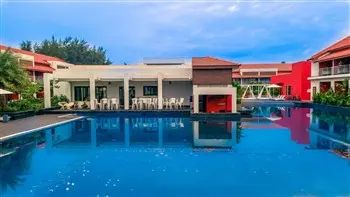
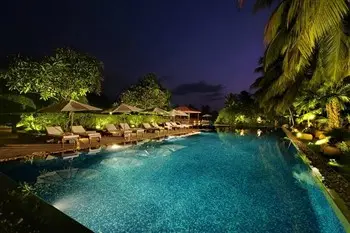
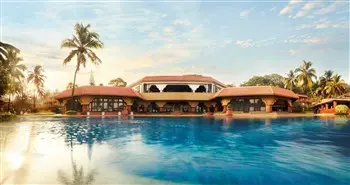
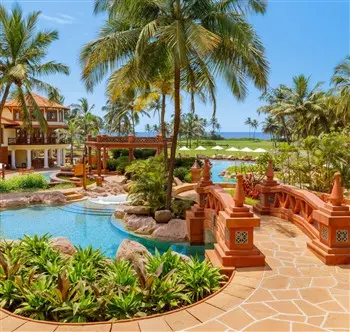
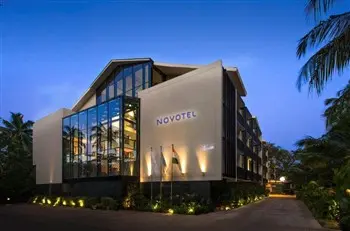
Among the properties that consistently earn their five stars, a handful stand out for setting, service and the quality of their suites. Many offer butler service, private beach cabanas and a ratio of staff to guests that ensures you're never waiting long for anything.
Suites at the top end run from around 80 to 150 square metres, often with an outdoor shower and a daybed on the terrace. You'll find plunge pools at several properties, and a few offer villas with two bedrooms and a private garden. For longer stays, these villas make more sense than a standard room, particularly if you're travelling with family.
It's worth asking about the resort's own beach access when you book. Some have a dedicated stretch with loungers and towel service; others share a public beach and rely on discreetly placed attendants. The distinction matters more than it sounds, especially in peak season.
The Worlds Top Luxury Resorts tend to be judged on the small things: how quickly a drink arrives, whether the turndown service remembers your preferences, whether the staff greet you by name on the second day. Goa's best properties handle these details well, and the service culture here is genuinely warm rather than merely correct.
Practical notes for your stay
Pack light fabrics and a light layer for evenings, since the sea breeze picks up after dark. You'll want reef-safe sunscreen, a hat and footwear you can slip off before stepping onto the sand. Insect repellent is sensible after dusk, particularly near the gardens.
Most resorts accept cards, but carrying some cash is useful for tips and small purchases. Tipping isn't obligatory, though 10 per cent is customary for good service. You'll also need to keep your passport handy for hotel registration, which is required by law for all foreign guests.
If you're planning excursions, allow a full day for a trip north to Panaji and Old Goa, where the basilicas and Portuguese-era streets are worth the drive. Closer to hand, the Cabo de Rama fort offers views along the coast, and the fishing villages around Betul give you a sense of how the region lived before tourism arrived.
A final word on booking: the best suites at these properties sell out months in advance for the December season. Reserving by September gives you the widest choice of rooms and often a better rate. Ask about the resort's cancellation policy as well, since terms vary considerably between properties.
The taxi rank outside the main gate of one of these hotels keeps a laminated card listing fares to Margao, and the driver will hold it up for you to read before you get in.