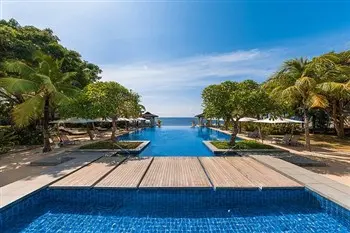
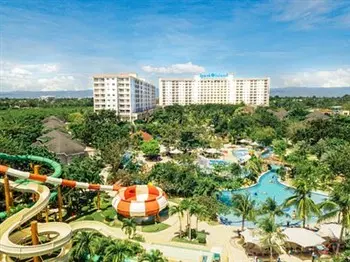
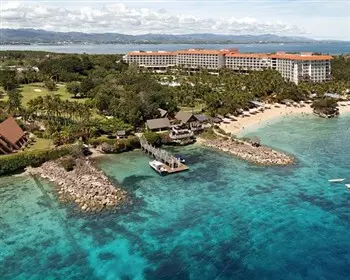
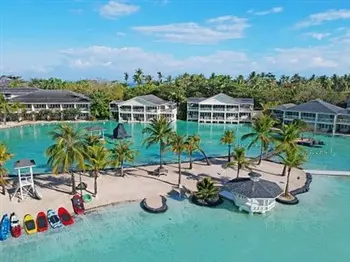

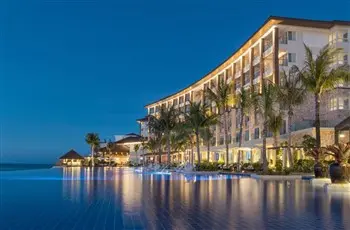
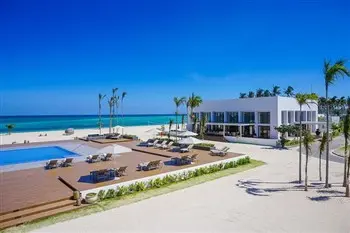
Cebu Island sits in the middle of the Philippines, and its coastline runs for more than 160 kilometres of white sand, coral rubble and mangrove edge. You'll fly into Mactan-Cebu International, which handles direct arrivals from Singapore, Seoul and Doha, and you can be on a lounger within forty minutes of clearing immigration if the traffic on the airport road behaves. It usually doesn't.
Exclusive 5* luxury beach resorts in Cebu Island divide into two camps: those on Mactan itself, convenient for a short stay, and those three hours north on the tip of the island, where the sand is finer and the crowds thinner. Both work, depending on whether you've come to sleep or to swim.
Mactan: the easy arrival
The resorts on Mactan's eastern shore face the Hilutungan Channel, which means calm water most mornings before ten and a steady breeze after lunch. You'll find the big international names here: Shangri-La's Mactan Resort and Spa, the Crimson Resort and Spa, and a handful of smaller properties tucked between them. The Shangri-La's Ocean Wing rooms come with a private lounge and a plunge pool on the balcony, and the house reef just offshore holds enough fish to keep a snorkeller busy for an hour without a boat.
What you're paying for on Mactan is proximity to the airport and a level of service that runs to a schedule. Breakfast starts at six because half the guests are catching morning flights. The dive shop opens at seven. You can check out at eleven and be at your departure gate by half past. That kind of efficiency has its own value when you're moving between islands.
The beaches here are narrower than the photographs suggest. I'd say thirty metres of sand at high tide, not more. The water is warm and shallow for a good distance out, which suits families but frustrates anyone hoping to swim laps. You'll want reef shoes for the coral fragments near the shoreline.
Going north to Daanbantayan
Three hours by road from the airport, the northern coast around Daanbantayan and Malapascua is where Cebu's most exclusive beach resorts have settled. The drive is long but the road is paved the whole way, and the last stretch through coconut groves rewards the patience. You'll pass through towns where the traffic slows to a crawl every few kilometres, which adds time.
There are only a few properties up here worth the journey, and they tend to be small: twenty rooms, thirty at most, with a kitchen that cooks what came in that morning. You'll eat lapu-lapu steamed with ginger and spring onion, and kinilaw made from tuna caught before dawn. The staff will remember how you take your coffee by the second morning.
Diving is the main draw. Malapascua is one of the only places in the world where you can reliably see thresher sharks at Monad Shoal, a fifteen-minute boat ride from the beach. You'll need to leave at half past four in the morning to catch them at the cleaning stations, and a dive certification is required. The sharks are shy, and the encounter lasts perhaps four minutes, but that's four minutes you won't forget.
What to expect from the rooms
The best rooms in the north are built as separate villas, each with an outdoor shower and a terrace facing the sea. Air conditioning runs quietly, and the water pressure is decent, which isn't always the case on smaller islands in the Philippines. You'll find a minibar stocked with local rum and dried mangoes, and a pillow menu that seems excessive until you've tried the buckwheat one.
A word on the beach itself. The sand in the north is coarser than Boracay's famous powder, and there's seagrass in patches just offshore. You'll see a few sea urchins if you walk out at low tide without looking. The upside is that the water stays clear and the reef is healthy, with soft corals in oranges and purples that start about twenty metres from the shore.
You'll pay somewhere between four hundred and eight hundred pounds a night for the best villas in the north during high season, which runs from December to May. Book eight months out if you want a sea view.
Outside those months the rates drop by a third, though the weather gets less predictable. I'm not certain the savings justify the risk of a washed-out week, but plenty of guests take the gamble.
Transfers from the airport can be arranged through the resort, usually in a private car with a driver who knows the shortcuts through the smaller towns. The cost is around a hundred and twenty pounds each way. A bus does the same run for a fraction of that, though you'll change at the northern terminal and stand for part of it. There's a public ferry from the port at Maya to Malapascua that runs hourly in daylight, if you fancy doing it yourself.
The case for staying put
Many guests never leave their resort. That's fine. The water is there at the end of the path, the food is good, and the staff have been trained to leave you alone unless you signal otherwise. You'll read three books in a week. You'll sleep ten hours a night. By the fifth day you might have stopped checking your phone altogether.
Exclusive 5* luxury beach resorts in Cebu Island aren't the biggest or the most famous in Asia, and they don't try to be. The worlds top luxury resorts, from the Maldives to the Amalfi Coast, run on spectacle. Cebu runs on quiet. You'll feel the difference by the second morning.
Pack light layers for the heat and one long-sleeved shirt for the evenings. The mosquitoes come out around six, and the resort will provide coils if you ask at reception. The generator behind the beach bar hums until about eleven each night.