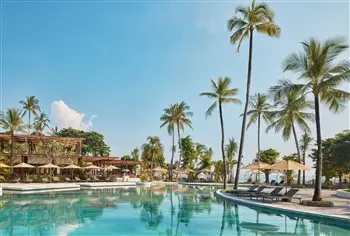
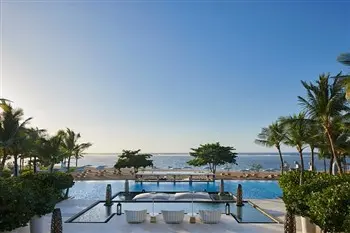
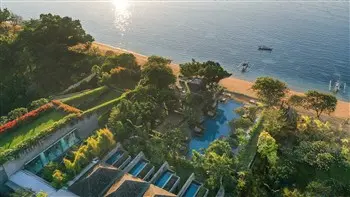
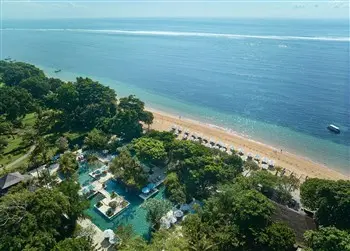
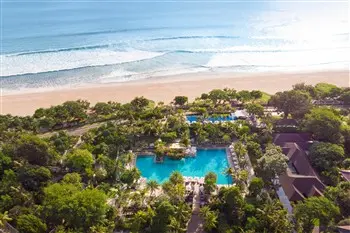
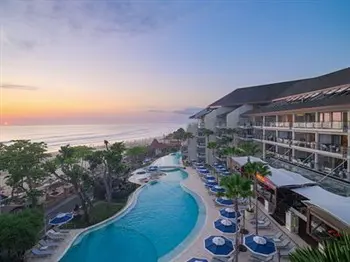
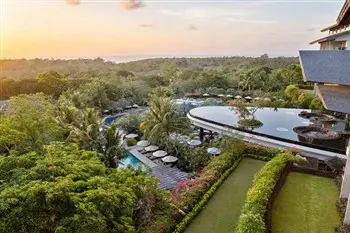
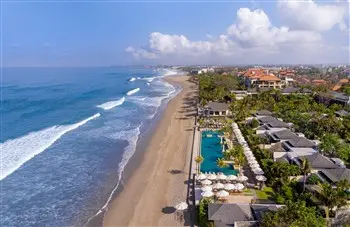
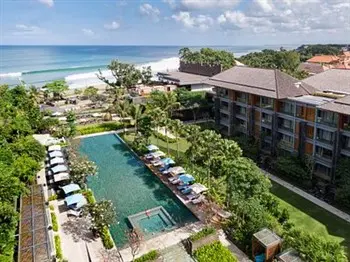
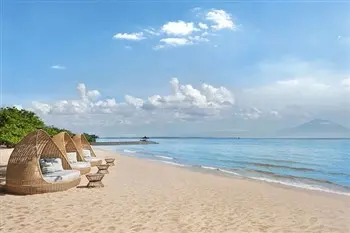
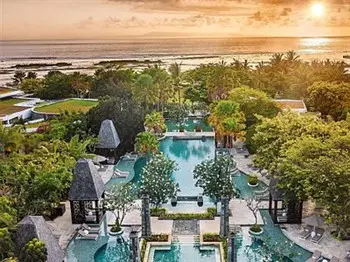
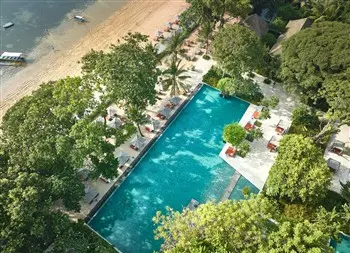
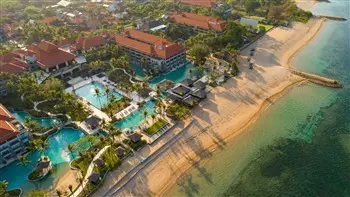
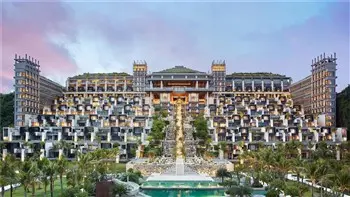
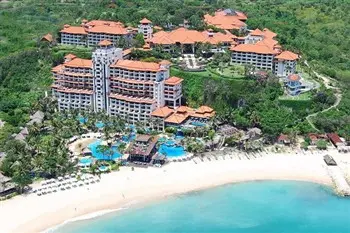
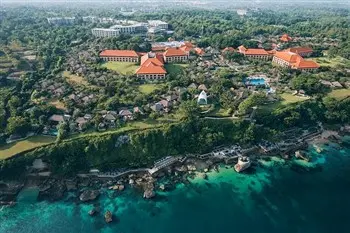
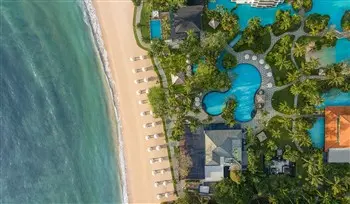
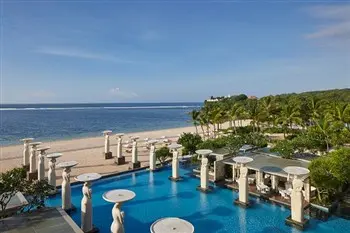
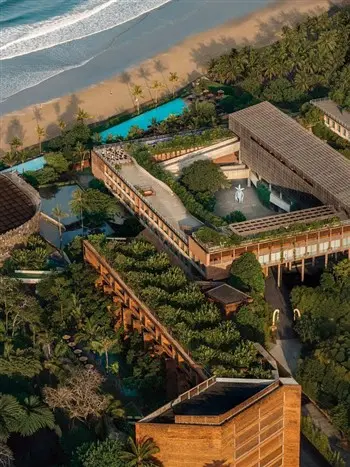
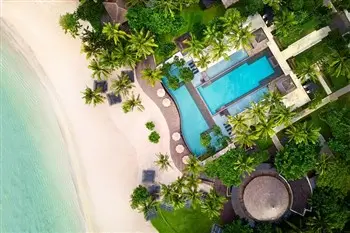
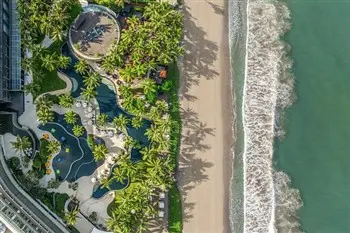


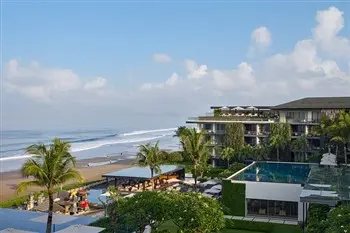

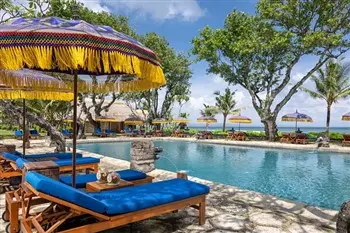
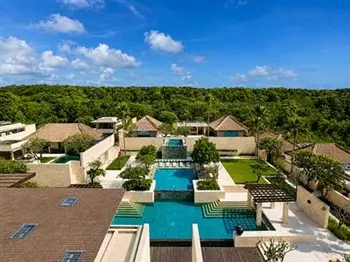
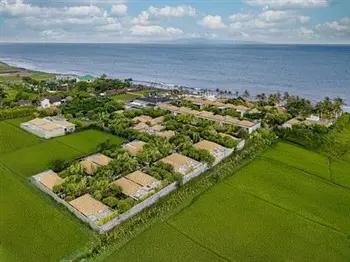
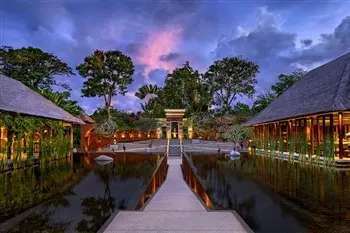
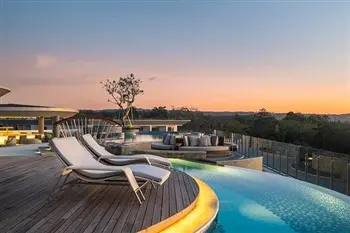
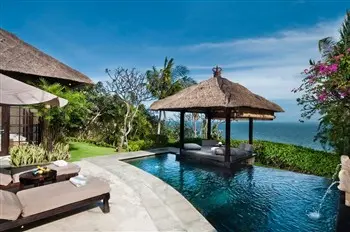
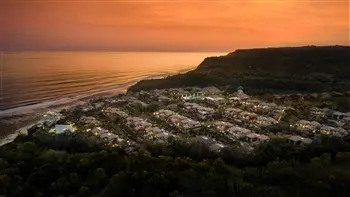
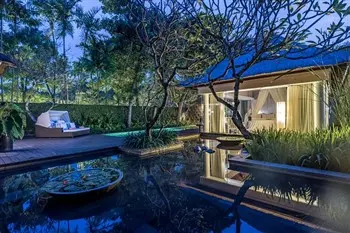
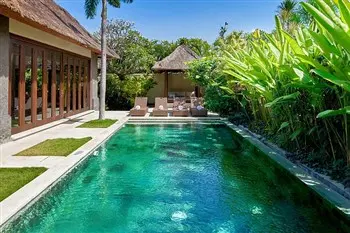
Bali's south coast holds a string of five-star beach resorts between the airport and the old temple at Tanah Lot, most of them built since the mid-1980s. You can reach the first of them in under half an hour from Ngurah Rai International Airport, which is worth knowing when your flight lands at 11pm and the road past Kuta is still moving.
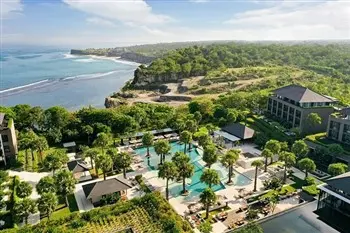
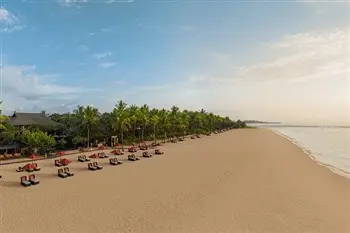
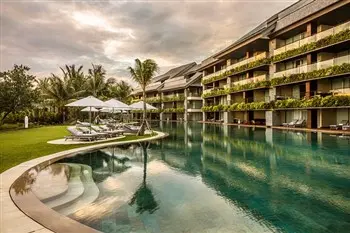
Nusa Dua is where the largest of them sit. The enclave was planned as a resort zone in the 1970s, and the result is a low-rise district of clipped lawns, wide pavements and hotels set back behind private gates. You'll find The Worlds Top Luxury Resorts represented here in force: the Mulia, Ayodya and the Grand Hyatt among the big names, with the St. Regis a short drive north. Sea-facing suites run from about $650 a night in low season and can pass $2,000 in the Christmas week. Rates at that level buy a stretch of swimmable water and a beach that gets raked every morning before you've finished your coffee.
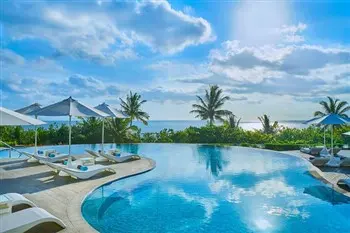
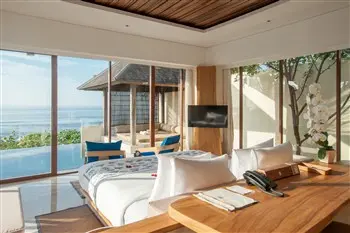
The calm water is the point. Nusa Dua sits behind a reef, so you can wade out a hundred metres and still touch the sand. At high tide the lagoon deepens enough for a proper swim; at low tide you'll see the reef flat and a few local boys hunting for octopus. I'd check the tide tables before booking a room with a plunge pool facing the sea, since the view shifts by several metres between morning and afternoon. Or so I'm told by people who keep a closer eye on it than I do.
What separates the best from the rest
Service in Bali's top tier has become remarkably consistent. Butler teams are trained at dedicated academies, and a request for a late checkout tends to be granted without a phone call. What differs is the setting and the scale. A resort with 300 rooms can feel busy at breakfast even when the buffet is superb; properties with 60 suites and private villas stay quiet all morning.
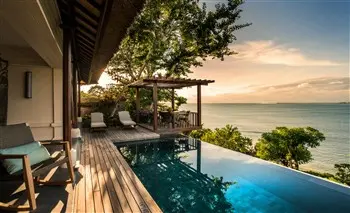
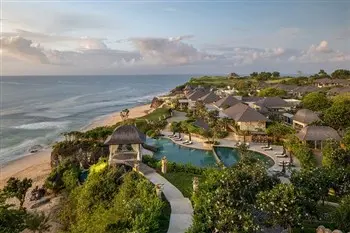
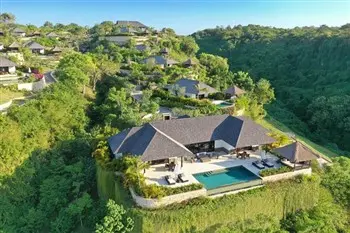
Jimbaran Bay is the better choice if you want intimacy. The Four Seasons here runs 147 villas up a hillside, each with its own walled garden and plunge pool, and the beach below is a working fishing village rather than a manicured strip. You'll see the boats come in around six in the morning. The seafood restaurants along the sand cook what was landed that day, and the walk between the two ends of the bay takes about twenty minutes at an unhurried pace.
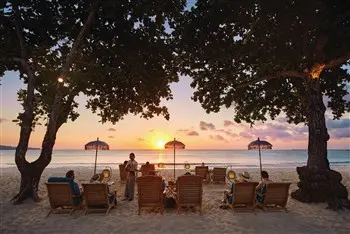
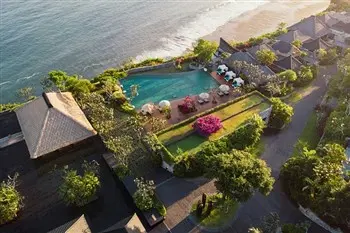
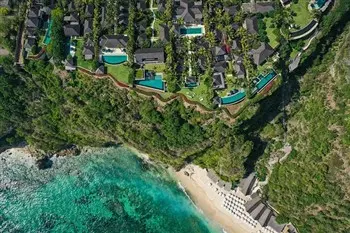
Further west, Uluwatu sits on a limestone cliff 70 metres above the Indian Ocean. The Bulgari Resort is the benchmark here, with 59 villas and a cliff-edge pool that faces due west. Sunsets draw the evening crowd, and the hotel plans its rituals around them. You'll want to book dinner at the Italian restaurant at least two nights ahead in high season. The spa, cut into the rock below the lobby, is worth an afternoon on its own.
Ubud is not the beach, and that's the appeal
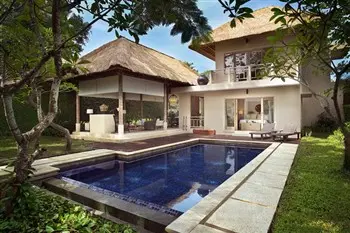
Several of the island's most exclusive resorts sit inland, 35 kilometres and about 90 minutes from the coast. The Mandapa, a Ritz-Carlton Reserve, occupies a bend in the Ayung River with 60 suites and villas, and Como Shambhala Estate spreads across 23 acres of jungle near Payangan. Neither has a beach, and neither pretends to. What you get instead is cooler air at night, the sound of the river, and a level of quiet that the coast can't match in the middle of the day.
The trade-off is the drive. You'll spend two hours in a car if you want to combine both, and the road through Ubud's centre can be slow going. Many guests split their stay: four nights on the coast, three inland. It's the arrangement I'd recommend, though three nights inland does feel short by the time you've settled into the rhythm of morning yoga and an afternoon in the spa.
Booking well
Direct bookings through hotel websites often match or beat the big booking platforms once you factor in breakfast and a resort credit, so it's worth comparing before you commit. Ask about the resort's low-season dates: May and September offer the same weather as July with rates 20 to 30 per cent lower. And do check whether the rate includes airport transfers, since a private car from Denpasar to Nusa Dua runs about $30 each way.
Travel in the shoulder months also means fewer people competing for the good tables and the best sun loungers. The dry season runs from April to October, and the wettest weeks fall between December and February. That said, even the wet season tends to deliver clear mornings and afternoon downpours that last an hour or two.
For families, the larger Nusa Dua properties work well: kids' clubs, shallow pools, and interconnecting rooms are standard at the top end. Couples tend to prefer the cliffside villas at Uluwatu or the hillside retreats in Jimbaran. Solo travellers will find the inland estates particularly hospitable, since the smaller room counts make it easy to get to know the staff.
For a full comparison of the island's finest properties, the Exclusive 5* Luxury beach resorts in Bali list is a sensible place to start. Each entry covers room counts, dining, spa facilities and the distance to the nearest swimmable beach, so you can weigh up the coast against the hills before you book.
The coastal road between Jimbaran and Uluwatu closes for the Galungan procession twice a year, and the diversions add about forty minutes to the drive.