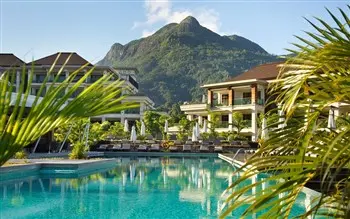
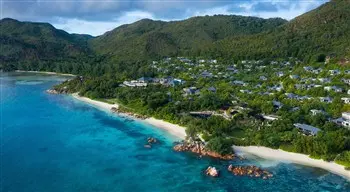
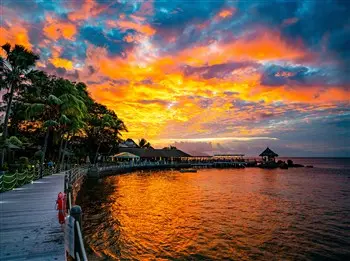
Mahé is the island most visitors land on, and the airport road south towards Anse Intendance takes about forty minutes once you're clear of Victoria's traffic. The resorts along this coast sit behind granite boulders that have been here for millions of years, polished smooth by the Indian Ocean.
You'll notice the pace first. Breakfast on a terrace at seven, the water still glassy, the only sound a gardener raking the sand. Nobody hurries you, and the better properties have made that slowness part of how they run.
What Separates the Best from the Rest
Around sixty-five resorts hold five-star status across the Seychelles archipelago, though only a handful combine true beachfront position with genuine privacy. The difference usually comes down to three things: how far the nearest neighbour sits, how many villas share the shoreline, and whether the house reef is healthy enough to snorkel from your own steps.
You'll find that the most exclusive properties cap guest numbers well below their physical capacity. A resort with forty villas might only ever fill thirty-two of them. That deliberate restraint shows in the dining room at eight in the evening, when tables sit far apart and conversation stays low.
Beach quality matters more than any brochure photograph suggests. The best stretches of sand on Praslin and La Digue run unbroken for a kilometre or more, backed by takamaka trees rather than seawalls. Ask about tidal movement before you book. Some coves empty out to exposed reef by mid-afternoon, which suits swimmers less than sunbathers.
The Villa Experience
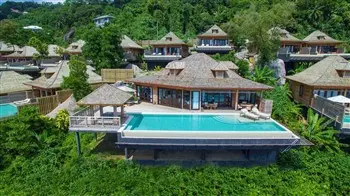
Private pools come as standard at this level. So do outdoor showers, deep bathtubs positioned to face the horizon, and butlers who appear when needed and vanish otherwise. A well-run villa at one of the top properties on Mahé will set you back somewhere in the region of €1,800 to €3,500 a night in peak season, breakfast and airport transfers included.
You're paying for space as much as service. Villas typically start at 120 square metres and climb past 400 for the residential-style suites, with separate living pavilions and plunge pools that catch the late sun. The better resorts orient every villa towards the water, so you never look at a car park or a service road.
Housekeeping tends to come twice daily, and turndown includes a small gift left on the pillow: a shell, a hand-written note, a sprig of frangipani. It's a detail you'll either love or barely register.
At its best the service is invisible: the noise, the decisions and the sense that anything else needs doing are simply not there.
Dining and the Days Between
Creole cooking anchors most menus, and rightly so. Grilled job fish with lime, octopus curry, breadfruit chips fried in coconut oil. The finest resorts bring in European chefs to work alongside local cooks, and the results tend to be lighter than traditional Creole fare without losing its character.
You can eat barefoot on the sand at several properties, tables set just above the tideline with lanterns for light. Lunch usually runs long. Dinner starts late and finishes later.
Days fill easily or not at all. You might take a boat to Curieuse Island to see the giant tortoises, or a short hop to Praslin's Vallée de Mai, where the coco de mer palms grow wild across twenty hectares. Most guests manage one excursion and spend the rest of the week within a hundred metres of their villa.
Spa, Sea and Stillness
Spa pavilions here borrow from the landscape rather than competing with it. Treatments use local ingredients: coconut, papaya, sea salt, vanilla from the island's own plantations. A ninety-minute massage in an open-sided pavilion, with the reef audible below, is worth scheduling for your second morning, once you've adjusted to the time difference.
The water stays warm year-round, hovering between 26 and 29 degrees. You'll want reef shoes for the rocky entries, and the resorts supply them. Snorkelling straight off the beach reveals parrotfish, angelfish and the occasional hawksbill turtle grazing on the coral.
Afternoon rain arrives without much warning between November and February. It passes quickly and leaves the air cooler. The resort staff will hand you an umbrella before you've thought to ask.
Choosing Your Island
- Mahé suits those who want variety: more than sixty beaches, a capital with markets and galleries, easy access to everything.
- Praslin offers quieter seclusion and the famous Anse Lazio, with fewer resorts overall and a more intimate feel.
- La Digue moves at bicycle pace, and only a couple of properties reach five-star standard.
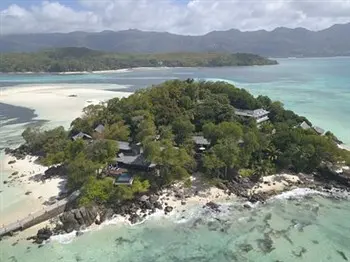
- Private-island resorts, reached by helicopter or short boat transfer, deliver the greatest isolation and the highest rates.
Book at least six months ahead for the December and January peak, and expect a minimum-stay requirement of five to seven nights at the most sought-after addresses. Rates drop by around a third in May and October, when the weather holds steady and the crowds thin.
You'll want to confirm transfer arrangements early. Inter-island flights and helicopter charters fill up, and the ferry between Mahé and Praslin takes just over an hour on a good day.
Packing is straightforward. Light linen, reef-safe sunscreen, one smart outfit for the evening restaurant. The resorts provide beach bags, hats and sarongs in your villa, so you can leave half of what you'd normally bring at home.
The Worlds Top Luxury Resorts tend to reward guests who arrive without an itinerary, and the Exclusive 5* Luxury beach resorts in Seychelles are no exception. Give yourself over to the rhythm of the place, and the week will arrange itself.
The gift shop near the reception at one property sells postcards for eight rupees each, and the stamp counter closes at four.