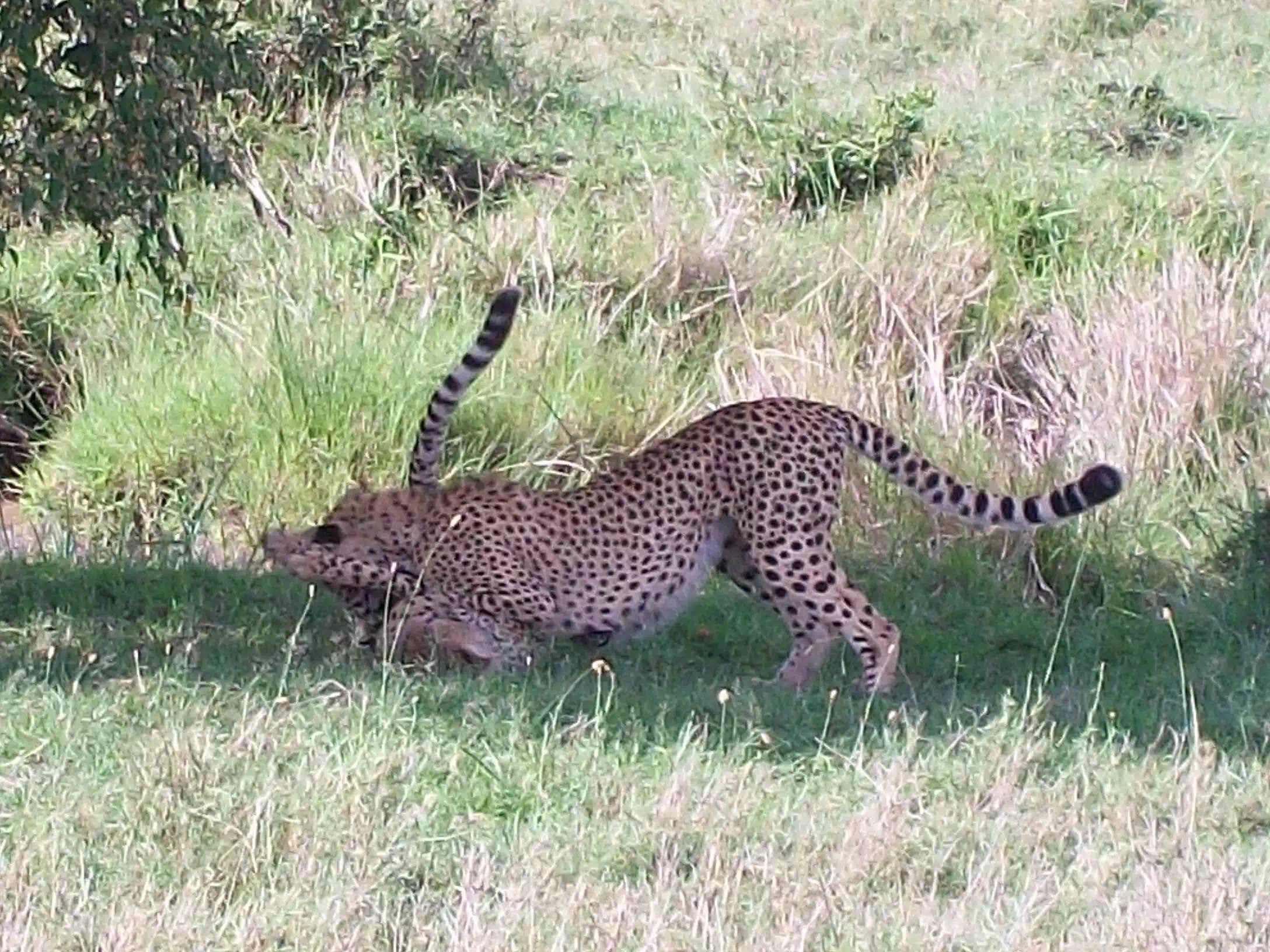
Leopards are one of the "Big Five" and a major attraction for safari-goers in Tanzania. Known for their elusive nature, these solitary and stealthy predators are a highlight for anyone hoping to witness the raw beauty of Africa’s wildlife.
Habitat and Distribution:
Leopards are found across Tanzania in a variety of habitats, from the savannahs of the Serengeti to the woodlands and mountainous regions. Some of the best places to spot leopards on safari include:
Serengeti National Park: Famous for its abundant wildlife, the Serengeti offers one of the best opportunities to spot leopards, especially in the central Seronera region.
Ngorongoro Crater: The dense vegetation along the crater walls provides an ideal habitat for leopards.
Ruaha National Park: A less crowded park, it offers a more remote and wild safari experience, with excellent leopard sightings in its rugged landscapes.
Selous Game Reserve (now Nyerere National Park): This park is known for its large predator populations, including leopards.
Behavior and Characteristics:
Solitary Nature: Leopards are typically solitary animals, often seen alone or with cubs. They are nocturnal, making early morning or late afternoon the best times for sightings.
Adaptability: They are highly adaptable, capable of living in varied environments, from grasslands to rainforests, and even near human settlements.
Hunting Skills: Leopards are powerful hunters, often dragging their prey into trees to protect it from scavengers. This behavior makes them unique among big cats.
Stealth and Camouflage: Their spotted coat provides excellent camouflage, blending into the dappled light of the forests and savannahs.
Safari Experience:
Seeing a leopard on safari in Tanzania is considered a special moment due to their elusive nature. They are often spotted lounging in trees or silently moving through the grasslands. Experienced guides play a crucial role in tracking these animals, using their knowledge of leopard behavior and habitats.
Conservation Status:
Leopards are currently listed as "Vulnerable" by the IUCN due to habitat loss, human-wildlife conflict, and illegal poaching. In Tanzania, conservation efforts are in place to protect their habitats and reduce conflicts with local communities.
Best Time to Visit:
Leopards can be seen year-round, but the dry season (June to October) is often considered the best time for safari, as wildlife gathers around water sources and the thinner vegetation makes spotting animals easier. |