
Photos of typical Kenyan school |

|
|
|
| Top Kenya Guides. | Mombasa - Malindi - Nyali - Watamu |
|
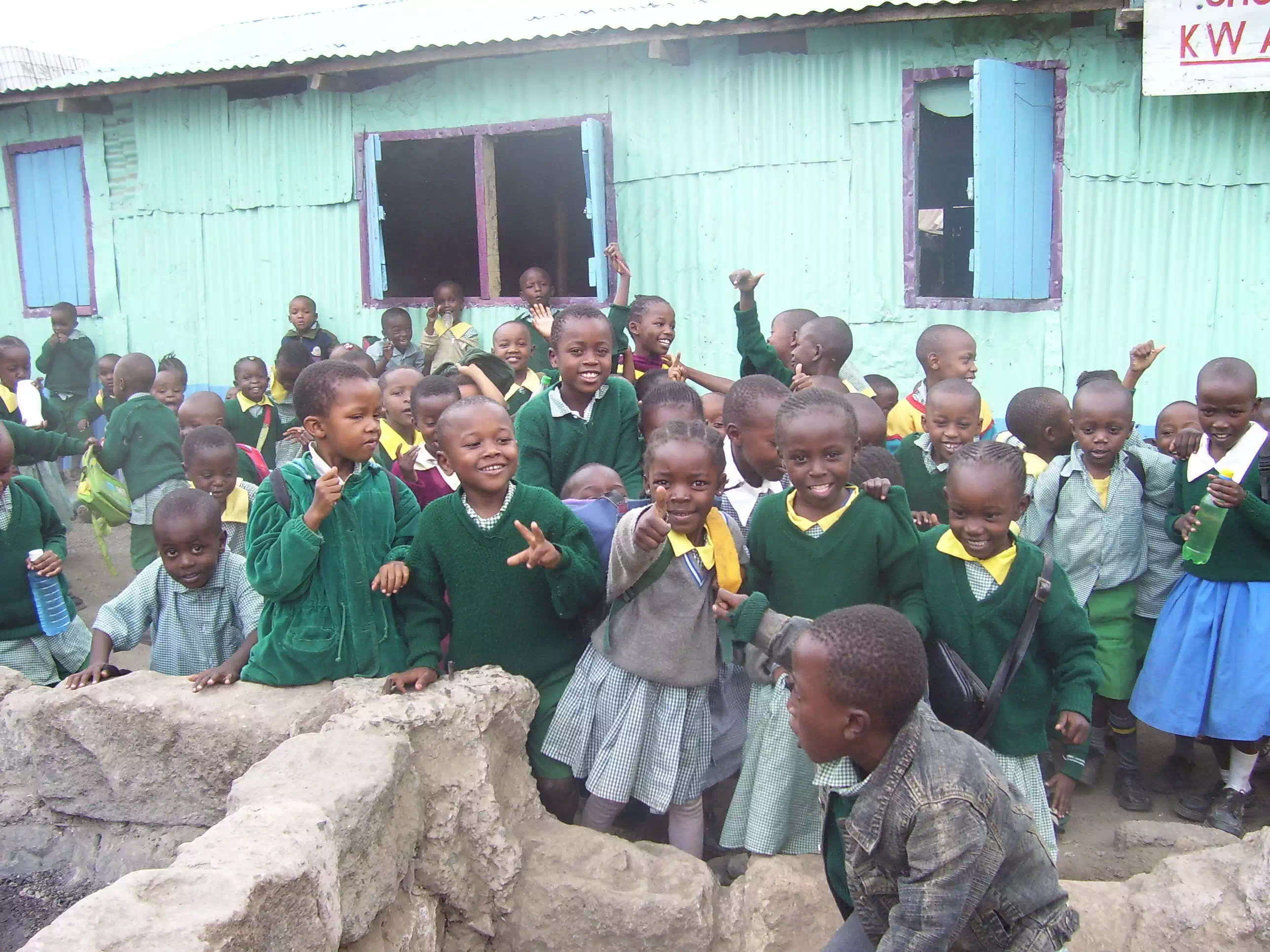 |
Typical Kenyan school |
Typical Kenyan schools vary in many aspects depending on whether they are public or private, urban or rural, primary or secondary, but they share some common features. 1. Structure of the Education System Primary School (Grades 1-8): Typically begins at age 6 and lasts for 8 years. The curriculum covers subjects like mathematics, English, Kiswahili (the national language), social studies, science, and religious education. Secondary School (Grades 9-12): This level starts at age 14 and lasts for 4 years. The focus is on subjects that will be examined in the Kenya Certificate of Secondary Education (KCSE), such as English, mathematics, Kiswahili, sciences, and humanities. Students specialize in certain subjects based on their performance and interests. 2. School Environment School Uniform: Wearing a school uniform is mandatory. The style and color vary by school, but they generally consist of a shirt, trousers or a skirt, a sweater, and sometimes a tie. School Hours: Schools typically start early in the morning, around 7:30 AM, and end in the afternoon, around 3:30 PM. However, secondary schools often have longer hours, with some students staying late for additional studies or extracurricular activities. 3. Teaching and Learning Learning Materials: Textbooks and other learning materials are sometimes scarce in public schools, with students often required to share. Private schools generally have better resources. Language of Instruction: English is the primary medium of instruction from Grade 4 onwards, with Kiswahili also widely used, especially in lower grades. 4. Extracurricular Activities 5. Challenges Quality of Education: There is a significant disparity between public and private schools. Public schools often struggle with limited resources, affecting the quality of education. On the other hand, private schools, especially those in urban areas, usually provide higher-quality education but are expensive. Examination Pressure: The KCPE (Kenya Certificate of Primary Education) and KCSE exams are highly competitive, and there is often significant pressure on students to perform well, as these exams determine their future educational and career paths. 6. School Meals Education in Kenya is highly valued, and parents often make significant sacrifices to ensure their children attend school. Respect for teachers is culturally ingrained, and discipline is generally strict in schools. |
 |
Kenya Pages HOME Kenya Photo's Kenya the country Kenya Safari Featured Hotels Reviews |
| Top Kenya Guides. | Mombasa - Malindi - Nyali - Watamu |
Exclusive Travel Group on Social Media


|
 
 Part of Exclusive Travel Group Ltd ™. Reg Nu 16861677 Excluss. Review Tell. Flight Center. Exclusive Travel. Exclusive Safari™ |


