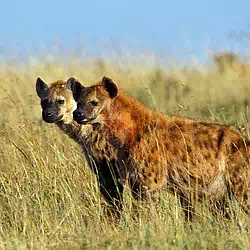
Kenya is renowned for its incredible biodiversity, especially when it comes to wild animals. The country is home to some of the most iconic wildlife species, making it a top destination for safaris and wildlife tourism. Here are some of the key wild animals found in Kenya:
1. The "Big Five"
Kenya is famous for the Big Five, a term originally coined by hunters to describe the five most challenging animals to hunt on foot. Today, these animals are the most sought after by wildlife enthusiasts:
Lion: The African lion is a symbol of strength and pride. These majestic predators are often seen in the savannahs of Kenya, especially in parks like the Maasai Mara and Amboseli.
Elephant: African elephants are the largest land animals on Earth. Kenya's Amboseli National Park is particularly famous for its large elephant herds, often seen against the backdrop of Mount Kilimanjaro.
Leopard: These elusive big cats are masters of camouflage. While they are more difficult to spot, they can be found in various Kenyan parks, including the Maasai Mara and Samburu.
Buffalo: The African buffalo is known for its unpredictable nature and immense strength. Large herds can be seen grazing in many of Kenya's national parks.
Rhinoceros: Kenya is home to both black and white rhinos. The black rhino is more solitary and often found in dense bush, while the white rhino is more social and grazes in open grasslands. The Ol Pejeta Conservancy is a notable sanctuary for rhino conservation.
2. Other Notable Mammals
Giraffe: Kenya is home to several giraffe species, including the Maasai giraffe, Rothschild's giraffe, and the reticulated giraffe, each with distinct patterns.
Zebra: Two species, the common (or Burchell's) zebra and the endangered Grevy's zebra, can be found in Kenya. Grevy's zebras are mostly seen in the northern regions.
Cheetah: The world’s fastest land animal, cheetahs are often spotted in the Maasai Mara, where they hunt in the open plains.
Hippopotamus: Hippos are commonly found in rivers and lakes across Kenya, especially in the Mara River and Lake Naivasha.
Wildebeest: The annual Great Migration sees over a million wildebeest moving between the Serengeti in Tanzania and the Maasai Mara in Kenya. It’s one of the most spectacular wildlife events on the planet.
3. Primates
Baboons: Olive baboons are widespread across Kenya, often seen in forests and grasslands.
Colobus Monkeys: These striking black-and-white monkeys are found in forested areas like the Kakamega Forest.
Sykes' and Vervet Monkeys: Commonly seen in many parts of Kenya, especially in areas close to human settlements.
4. Birdlife
Kenya is a birdwatcher’s paradise with over 1,000 bird species. Notable species include:
Flamingos: Lake Nakuru and Lake Bogoria are famous for their large flocks of pink flamingos.
Secretary Bird: A large bird of prey that hunts on foot, commonly seen in the savannah.
Ostrich: The world's largest bird, commonly found in Kenya’s grasslands.
Crowned Crane: Known for its striking appearance and elaborate courtship dances.
5. Reptiles and Amphibians
Nile Crocodile: These large reptiles are commonly found in rivers and lakes, such as the Mara River.
Snakes: Kenya has a variety of snakes, including pythons, cobras, and vipers.
Chameleons and Geckos: Diverse species of these reptiles can be found across Kenya's different habitats.
6. Marine Life
Kenya's coast along the Indian Ocean hosts diverse marine life:
Dolphins and Whales: These can be spotted along the Kenyan coast, particularly near Diani and Watamu.
Sea Turtles: Kenya’s beaches, such as those in Watamu and Lamu, are important nesting sites for sea turtles.
Coral Reefs: The coral reefs of the Kenyan coast are teeming with colorful fish, octopuses, and other marine species.
Conservation Efforts
Kenya places a strong emphasis on wildlife conservation, with numerous national parks, reserves, and conservancies dedicated to protecting its diverse fauna. Efforts to combat poaching, particularly of elephants and rhinos, are ongoing and crucial for the survival of these species. Ecotourism also plays a significant role in conservation by providing funds and raising awareness about the importance of protecting Kenya's natural heritage.