
Photos of Spotted Hyenas Masai Mara |

|
|
|
| Top Kenya Guides. | Mombasa - Malindi - Nyali - Watamu |
|
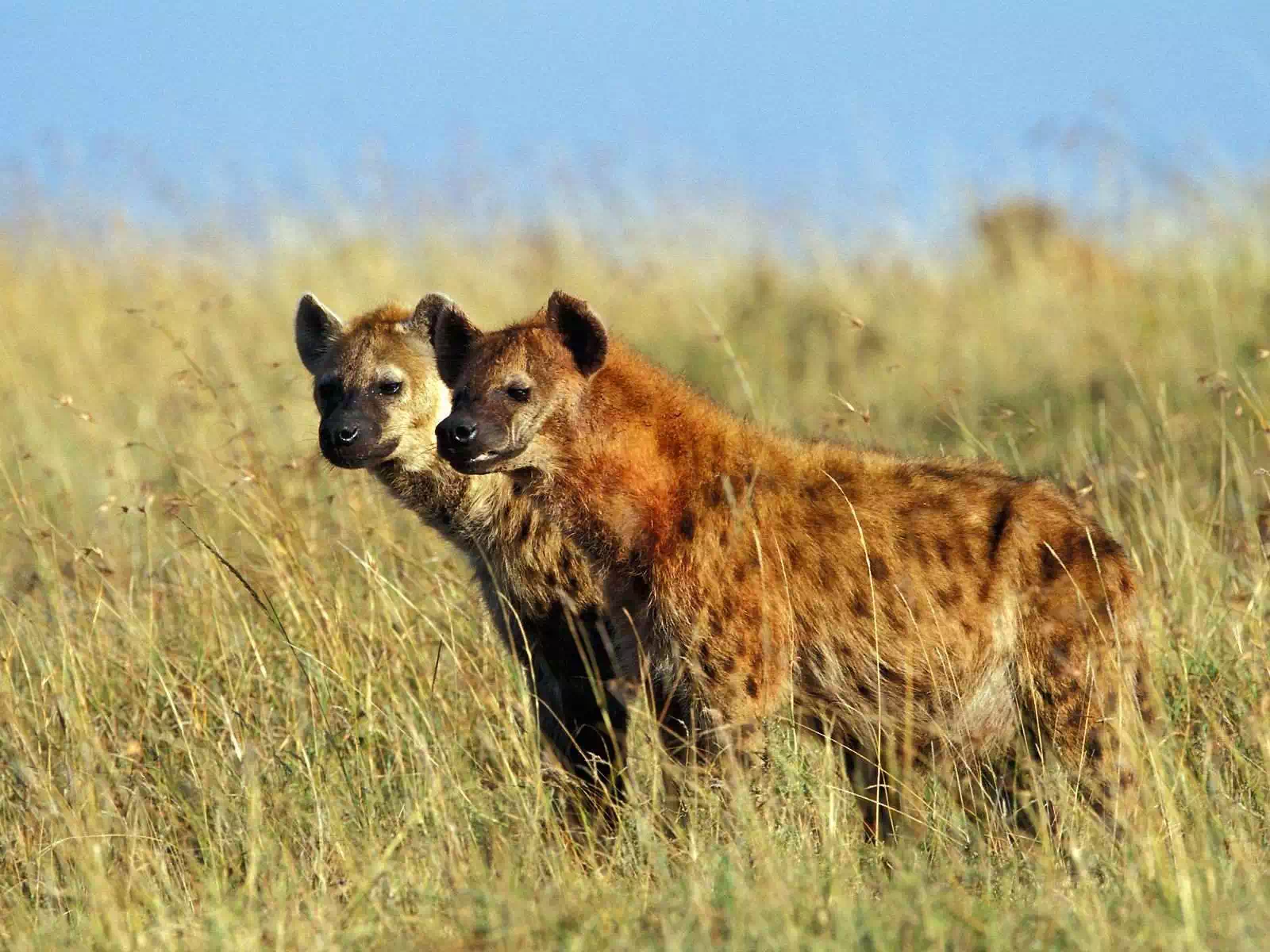 |
Spotted Hyenas Masai Mara Kenya |
The Spotted Hyena (Crocuta crocuta) is one of the most fascinating and misunderstood animals in the Masai Mara National Reserve in Kenya. Known for their distinctive appearance and complex social structures, these hyenas play a crucial role in the ecosystem. Appearance and Behavior Diet and Hunting Communication and Social Life Role in the Ecosystem In the Masai Mara, Spotted Hyenas are a common sight and contribute significantly to the dynamics of the savanna. Observing them provides valuable insights into the behavior of these remarkable animals and their role in the natural world. |
 |
Kenya Pages HOME Kenya Photo's Kenya the country Kenya Safari Featured Hotels Reviews |
| Top Kenya Guides. | Mombasa - Malindi - Nyali - Watamu |
Exclusive Travel Group on Social Media


|
 
 Part of Exclusive Travel Group Ltd ™. Reg Nu 16861677 Excluss. Review Tell. Flight Center. Exclusive Travel. Exclusive Safari™ |


