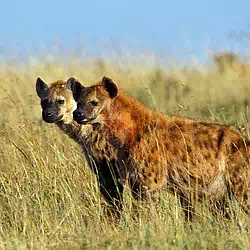
Great downloadable high resolution photos of wild animals in Kenya.
Photographing wild animals in Kenya, particularly on safaris, requires equipment that can handle the unique challenges of wildlife photography, such as long distances, varying light conditions, and fast-moving subjects. Here's a breakdown of the best photographic equipment for this purpose:
1. Camera Body
Full-Frame DSLR or Mirrorless Camera:
Canon EOS R5 or Canon EOS R6: These mirrorless cameras offer excellent autofocus, fast shooting speeds, and high-resolution sensors.
Nikon Z9: A top-tier mirrorless option with exceptional autofocus and burst capabilities.
Sony A1: Known for its incredible speed, resolution, and low-light performance.
Crop-Sensor Cameras:
Canon EOS 90D or Nikon D500: These DSLRs offer a good balance between cost and reach due to the crop factor, which effectively increases the focal length of your lenses.
2. Lenses
Telephoto Lenses:
Canon RF 100-500mm f/4.5-7.1L IS USM or Nikon Z 100-400mm f/4.5-5.6 VR S: Versatile zoom lenses that cover a wide range of focal lengths, ideal for distant wildlife.
Sony FE 200-600mm f/5.6-6.3 G OSS: A great option for Sony users, offering significant reach and sharpness.
Prime Lenses:
Canon EF 600mm f/4L IS III USM or Nikon 600mm f/4E FL ED VR: For those who need the utmost in image quality and reach, prime telephoto lenses are ideal but can be very expensive and heavy.
Wide-Angle Lenses:
Canon RF 15-35mm f/2.8L IS USM or Sony FE 16-35mm f/2.8 GM: Useful for landscape shots or when wildlife is close, capturing the environment along with the animals.
3. Tripod/Monopod
Gitzo GT3543LS or Manfrotto 055: A sturdy tripod is essential for stable shots, especially with heavy lenses.
Monopod: Sirui P-326 or Manfrotto XPRO are lightweight and easier to manage in a vehicle or on foot.
4. Gimbal Head
Wimberley WH-200 or Benro GH5C: A gimbal head is critical for smoothly tracking moving animals with a large telephoto lens.
5. Memory Cards
Fast and Reliable Memory Cards:
SanDisk Extreme Pro or Sony Tough CFexpress and SD cards: These provide fast read/write speeds, which are crucial for high-resolution burst shooting.
6. Battery and Storage
Extra Batteries: Wildlife photography can be battery-intensive, so carrying extras like Canon LP-E6NH or Sony NP-FZ100 is necessary.
Portable Storage: SanDisk Extreme Portable SSD for backing up photos in the field.
7. Weather Protection
Rain Covers: LensCoat RainCoat or AquaTech SS-200 for protecting your camera and lens from dust and rain.
Camera Bag: Lowepro Whistler BP 450 AW II or Think Tank Photo StreetWalker HardDrive for carrying your gear safely.
8. Accessories
Remote Shutter Release: Useful for minimizing camera shake when shooting from a tripod.
Polarizing Filter: Helps reduce glare and enhance colors, especially useful in the bright sun of the African savannah.
9. Drone (Optional)
DJI Mavic 3 Pro: For capturing aerial shots of landscapes and wildlife, but be mindful of local regulations and the disturbance to animals.
10. Field Guide and Notebook
Field Guide: A good field guide on Kenyan wildlife can help identify species and behaviors.
Notebook/Voice Recorder: For taking notes on animal behavior or settings used for successful shots.
This setup will help you capture stunning images of Kenya's wildlife, from the Big Five to the vibrant bird species.