
Photos of Baboon in tree Kenya |

|
|
|
| Top Kenya Guides. | Mombasa - Malindi - Nyali - Watamu |
|
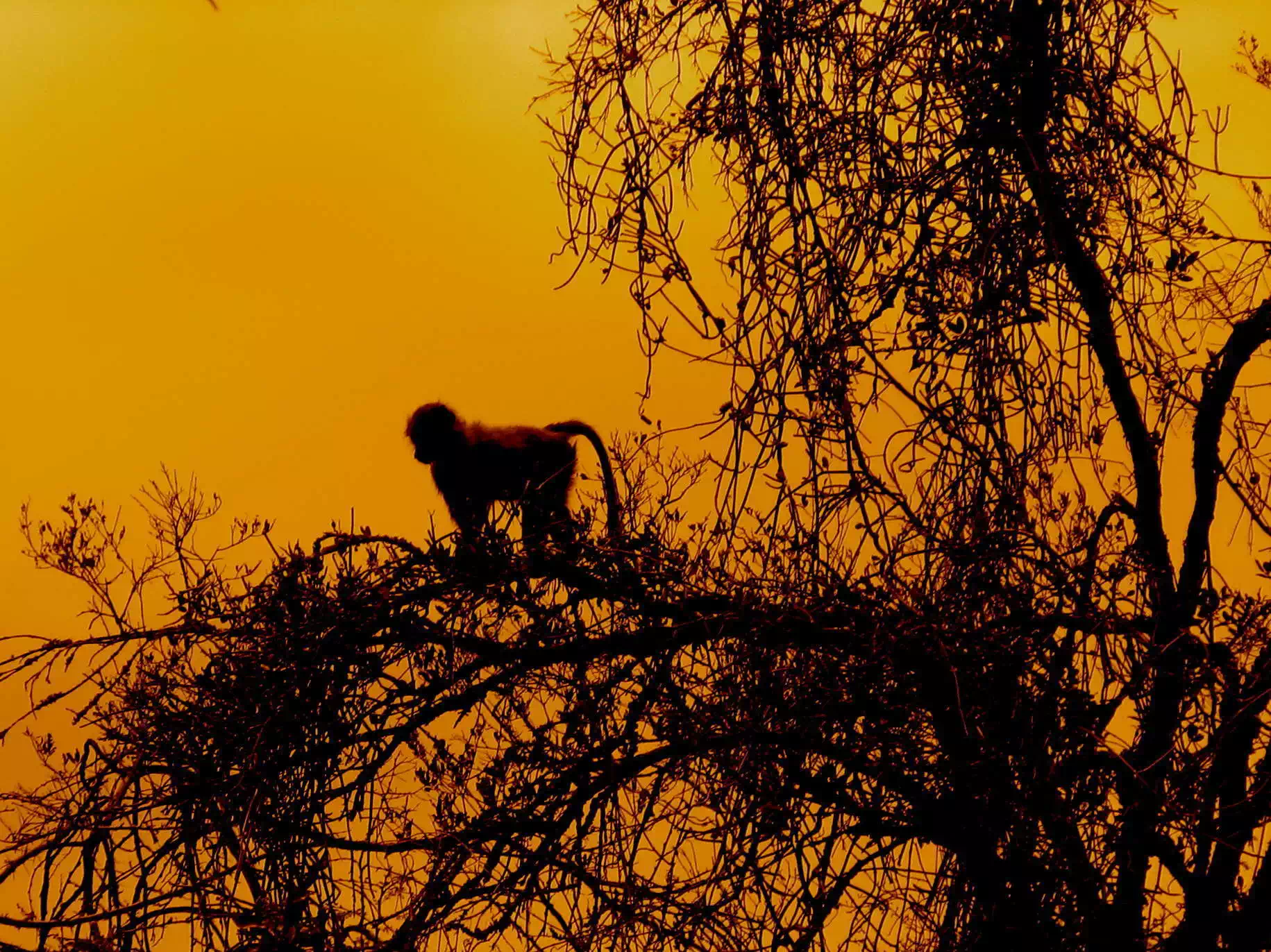 |
Baboon in tree Kenya |
Baboons in Kenya are a common sight, especially in areas with dense vegetation and near water sources. Two main species are found in Kenya: the Olive Baboon (Papio anubis) and the Yellow Baboon (Papio cynocephalus). These primates are highly adaptable and can thrive in a variety of environments, including savannas, forests, and areas close to human settlements. Baboons in Trees Sleeping: Baboons frequently sleep in trees to avoid predators. They choose tall trees with dense canopies that provide safety and a good vantage point. Foraging: While most of their foraging is done on the ground, baboons climb trees to access fruits, leaves, flowers, and even small insects or birds' eggs that are not available at ground level. Safety: Trees offer a quick escape from ground predators like lions or leopards. In the event of danger, baboons can swiftly climb trees to avoid capture. Social Interaction: Baboons are highly social animals and spend a lot of time grooming and interacting with each other in trees, where they feel safe from predators. Locations in Kenya Masai Mara: Baboons are often seen in the acacia trees here, where they forage for food and take shelter. Behavior and Interaction When observing baboons in trees, it's essential to keep a safe distance, as they can be protective of their territory and food sources. |
 |
Kenya Pages HOME Kenya Photo's Kenya the country Kenya Safari Featured Hotels Reviews |
| Top Kenya Guides. | Mombasa - Malindi - Nyali - Watamu |
Exclusive Travel Group on Social Media


|
 
 Part of Exclusive Travel Group Ltd ™. Reg Nu 16861677 Excluss. Review Tell. Flight Center. Exclusive Travel. Exclusive Safari™ |


