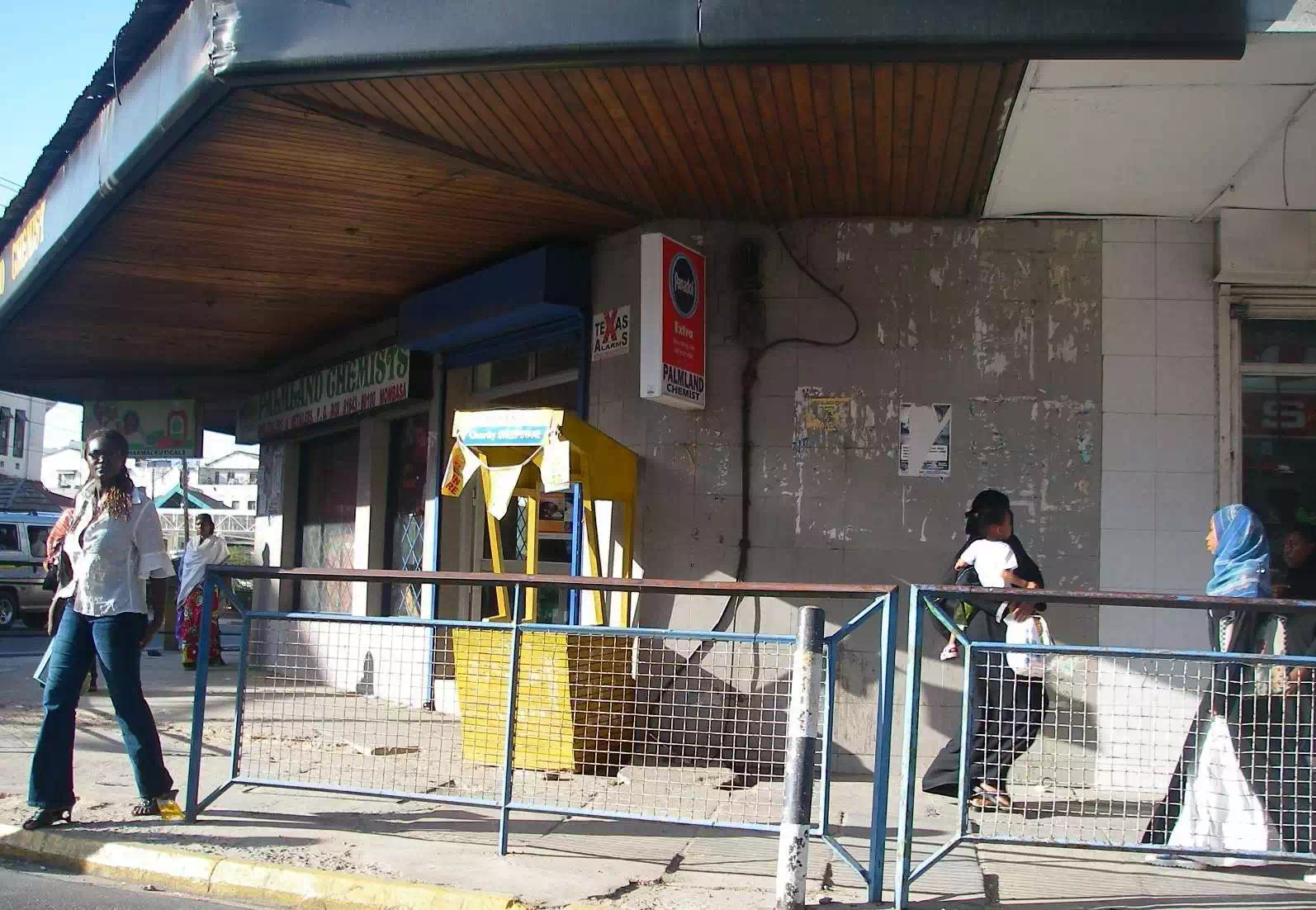
Charity sweepstakes in Kenya have evolved significantly over time, reflecting changes in both charitable giving and regulatory practices. Here's a brief overview of the history and development of charity sweepstakes in Kenya:
Early Beginnings
Colonial Era (Pre-1963):
During the colonial period, charitable activities in Kenya were often driven by British organizations and expatriates. Fundraising events, including raffles and sweepstakes, were sometimes organized to support various causes, although these were relatively limited in scope and impact compared to later developments.
Post-Independence Era
Post-Independence (1963-1980s):
After Kenya gained independence in 1963, the focus on charity and development expanded. During this time, various local and international NGOs began organizing fundraising events to support causes such as education, healthcare, and poverty alleviation. Charity sweepstakes started to gain popularity as a method to raise funds for these causes.
Introduction of Regulatory Framework (1970s-1980s):
The Kenyan government began to recognize the need for regulation of fundraising activities, including sweepstakes. The Lotteries Act was introduced in the 1970s to provide a legal framework for organizing and regulating lotteries and sweepstakes. This legislation aimed to ensure that charitable sweepstakes were conducted transparently and that funds raised were used for their intended purposes.
Expansion and Modernization
1990s-2000s:
The 1990s saw a growth in the number and scale of charity sweepstakes, driven by increased interest from both local organizations and international charities. Advances in technology, including the rise of mobile phones and the internet, facilitated new methods of organizing and promoting sweepstakes.
Growth of Mobile and Online Platforms:
In the 2000s, the advent of mobile technology and internet access transformed charity sweepstakes. Organizations began using SMS and online platforms to reach a broader audience and simplify the process of participating in sweepstakes. This period saw an increase in the frequency and scale of charity sweepstakes, with larger prizes and more innovative approaches to fundraising.
Recent Developments
2000s-Present:
The 21st century has brought significant changes to the charity sweepstake landscape in Kenya. There has been a rise in the use of digital marketing and social media to promote sweepstakes and engage potential donors. Additionally, mobile money services like M-Pesa have made it easier for Kenyans to participate in charity sweepstakes and make donations.
Regulatory Updates:
The Lotteries and Gaming Act of 2016 brought about more comprehensive regulations for gaming and lotteries in Kenya, including charity sweepstakes. This act established the Betting Control and Licensing Board (BCLB) as the regulatory authority overseeing all gaming activities, including charitable lotteries. The aim was to ensure transparency, accountability, and proper use of funds raised through these activities.
Impact of Charity Sweepstake:
Charity sweepstakes in Kenya have made a significant impact on various sectors, including healthcare, education, and disaster relief. They have provided crucial funding for numerous initiatives and have raised awareness for various causes.
Current Trends and Challenges
Increased Competition: The charity sector faces increased competition for funds, with many organizations using sweepstakes as a key fundraising tool.
Digital Integration: Continued innovation in digital platforms and mobile technology is likely to shape the future of charity sweepstakes, making them more accessible and efficient.
Regulatory Compliance: Adherence to regulatory requirements remains critical to ensure the legitimacy of sweepstakes and the effective use of funds.
Overall, charity sweepstakes in Kenya have evolved from modest fundraising efforts to major tools for charitable organizations, supported by evolving technologies and regulatory frameworks. |