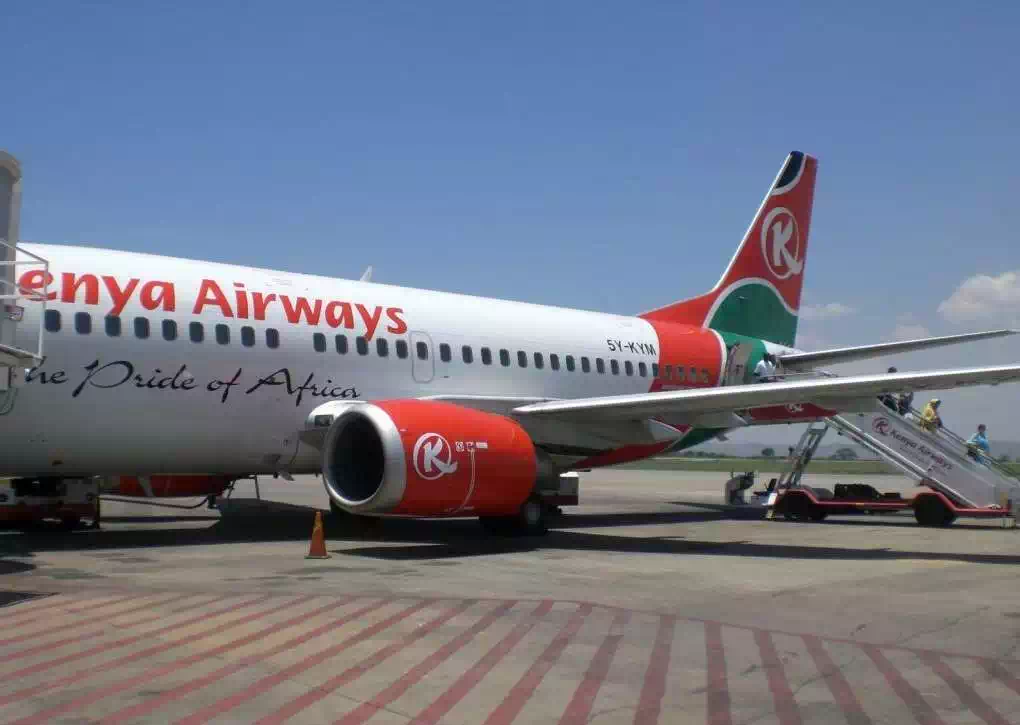
Kenya Airways, the flag carrier of Kenya, has a rich history that reflects both its growth and challenges over the years. Here's a detailed overview:
Early Years
Founding and Early Operations (1977-1980s)
1977: Kenya Airways was established on January 22, 1977, following the dissolution of East African Airways (EAA), which had been a regional carrier serving Kenya, Uganda, and Tanzania. The Kenyan government decided to create a national carrier to take over EAA's operations within Kenya.
Initial Fleet: The airline started with a fleet of two Boeing 707 aircraft and three Boeing 737s, focusing on both international and regional routes.
Early Expansion: In the initial years, Kenya Airways expanded its route network, flying to destinations in Europe, the Middle East, and within Africa.
Growth and Development (1980s-1990s)
1980s: During this period, Kenya Airways continued to expand its route network and fleet. The airline began modernizing its fleet with the introduction of newer aircraft types.
1990: Kenya Airways was privatized, with a significant portion of its shares being sold to private investors, both domestic and international. This marked a pivotal shift towards becoming a more commercially oriented and competitive airline.
Modern Era
Post-Privatization and Expansion (1990s-2000s)
1996: Kenya Airways became a member of the SkyTeam alliance, which enhanced its connectivity and global reach.
Fleet Modernization: The airline invested in modernizing its fleet, acquiring new aircraft such as the Boeing 737-800 and the Boeing 767, which improved its efficiency and passenger service.
Hub Development: Nairobi’s Jomo Kenyatta International Airport was increasingly developed as a regional hub, supporting Kenya Airways' expansion into new markets.
Challenges and Resilience (2000s-2010s)
2000s: Kenya Airways faced several challenges, including economic downturns, fuel price fluctuations, and security concerns, but it continued to grow and expand its services.
2007: The airline launched new routes to various international destinations and introduced the Boeing 787 Dreamliner to its fleet.
2010: Kenya Airways became a full member of the SkyTeam alliance, further solidifying its global presence.
Recent Developments
Recent Years and Financial Struggles (2010s-Present)
2014: The airline faced significant financial difficulties, exacerbated by challenges such as fluctuating fuel prices, competition, and regional instability. The company posted losses and had to implement restructuring measures.
2017: Kenya Airways went through a major restructuring process, which included debt restructuring and fleet rationalization, aimed at improving its financial stability and operational efficiency.
COVID-19 Pandemic (2020-2021): Like many airlines globally, Kenya Airways was heavily impacted by the COVID-19 pandemic, facing severe reductions in passenger traffic and financial strain. The airline had to implement cost-cutting measures, including temporary layoffs and fleet grounding.
Current Status and Future Prospects
Recovery Efforts: Kenya Airways has been working on recovery strategies, including revising its route network, enhancing its digital capabilities, and exploring new business models.
Continued Modernization: The airline continues to invest in fleet modernization and technology improvements to enhance customer experience and operational efficiency.
Sustainability Initiatives: Kenya Airways is focusing on sustainability initiatives, including reducing its carbon footprint and exploring sustainable aviation fuels.
Kenya Airways has navigated a dynamic and challenging aviation landscape over the decades. From its inception as a successor to East African Airways to its current role as Kenya’s national carrier, the airline has demonstrated resilience and adaptability. While it has faced financial and operational challenges, Kenya Airways remains a key player in Africa’s aviation sector, with ongoing efforts to enhance its services, expand its network, and ensure long-term sustainability. |