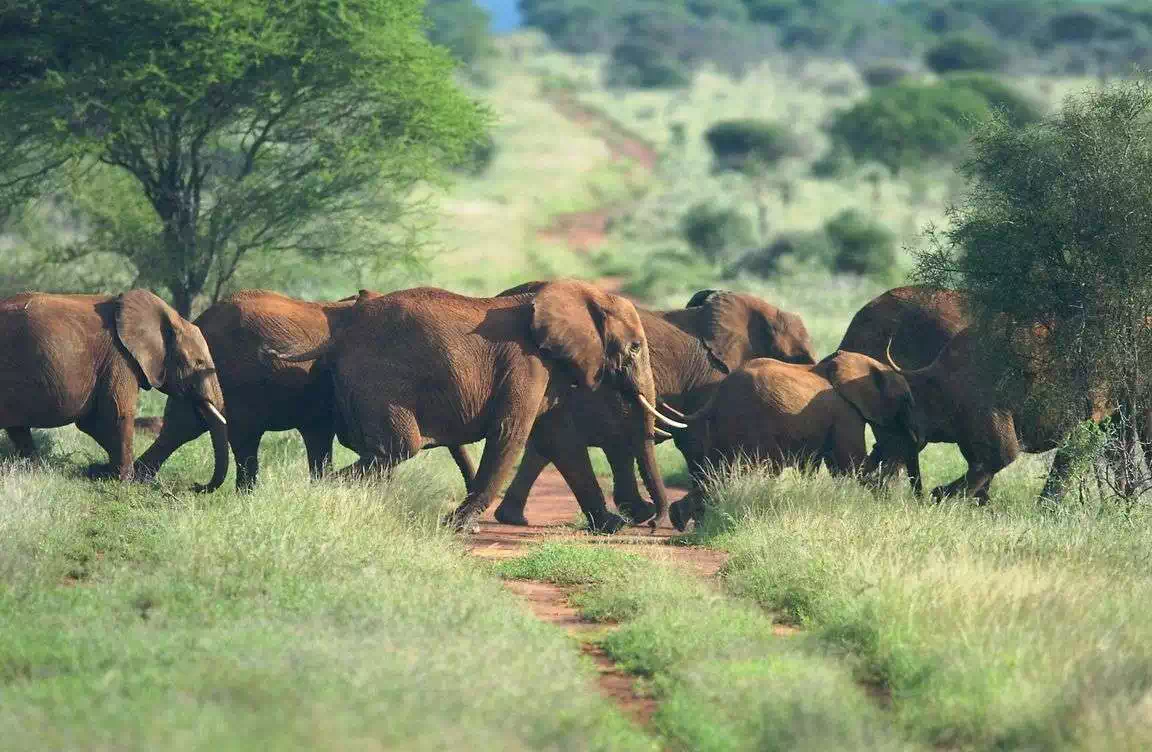
Elephants, the largest land mammals, have long fascinated people with their impressive size, intelligence, and complex social behaviors. These majestic creatures play a vital role in their ecosystems and cultures around the world. This article explores the diverse species of elephants, their remarkable characteristics, and the conservation challenges they face.
Species and Subspecies
There are three species of elephants, each with distinct traits and habitats:
African Bush Elephant (Loxodonta africana):
Size and Appearance: The African bush elephant is the largest of the three species, with males reaching up to 13 feet in height and weighing as much as 14,000 pounds. They have large, floppy ears that help dissipate heat and long, curved tusks.
Habitat: They inhabit a range of environments across sub-Saharan Africa, including savannas, forests, and deserts.
Behavior: These elephants are highly social and live in large herds led by a matriarch. They are known for their complex communication skills, including vocalizations and body language.
African Forest Elephant (Loxodonta cyclotis):
Size and Appearance: Smaller than their bush counterparts, African forest elephants have straighter tusks and more rounded ears. They are well-adapted to the dense rainforest environment.
Habitat: As their name suggests, they primarily live in the rainforests of Central and West Africa.
Behavior: Forest elephants are more solitary and elusive than bush elephants. They play a crucial role in maintaining the biodiversity of their forest habitats by dispersing seeds and creating clearings.
Asian Elephant (Elephas maximus):
Size and Appearance: Asian elephants are smaller than African bush elephants, with males reaching up to 10 feet in height. Their ears are smaller, and their tusks are less prominent, with only some males having them.
Habitat: They are found in various regions across South and Southeast Asia, including India, Sri Lanka, Thailand, and Indonesia. They inhabit forests, grasslands, and swampy areas.
Behavior: Asian elephants are also social animals, forming herds led by a female matriarch. They have a significant cultural and historical presence in many Asian societies, often used in religious ceremonies and as working animals.
Physical Characteristics
Elephants are distinguished by several notable features:
Size: Elephants are the largest land mammals, with adult males often weighing several tons.
Trunk: The elephant's trunk, an elongated nose and upper lip, is an incredibly versatile organ used for feeding, drinking, and social interactions. It contains over 40,000 muscles and is crucial for their daily activities.
Tusks: These are elongated incisor teeth that grow throughout an elephant's life. They are used for digging, stripping bark from trees, and as weapons in fights.
Ears: Elephant ears serve multiple purposes, including heat regulation and communication. African elephants have larger ears compared to their Asian relatives, which helps them stay cool in the heat of the savanna.
Behavior and Intelligence
Elephants are renowned for their intelligence and complex social structures:
Social Structure: Elephants live in matriarchal herds where the oldest female leads. The herd consists of related females and their young, while males typically leave the herd upon reaching maturity and live more solitary lives or form loose bachelor groups.
Communication: Elephants communicate using a variety of vocalizations, including trumpets, rumbles, and growls. They also use body language and seismic signals, which can be detected through the ground.
Memory: Known for their remarkable memory, elephants can remember water sources, migration routes, and other herd members over long periods. This ability is crucial for their survival in the wild.
Conservation Challenges
Despite their grandeur, elephants face significant threats:
Poaching: Illegal hunting for ivory and other body parts remains a critical threat, particularly for African elephants. Despite international bans, black markets for ivory continue to drive poaching.
Habitat Loss: Deforestation and land conversion for agriculture encroach upon elephant habitats, leading to conflicts with human populations.
Human-Elephant Conflict: As human settlements expand, elephants often come into contact with people, resulting in conflicts that can be deadly for both elephants and humans.
Climate Change: Changes in climate can affect the availability of water and food resources, impacting elephant populations and their migration patterns.
Conservation Efforts
Numerous organizations and initiatives work to protect elephants and their habitats:
Anti-Poaching Measures: Increased patrols, surveillance technologies, and legal frameworks aim to combat poaching and the illegal ivory trade.
Habitat Preservation: Efforts are made to conserve and restore elephant habitats, including the establishment of protected areas and wildlife corridors.
Community Engagement: Programs that involve local communities in conservation efforts help to reduce human-elephant conflict and promote coexistence.
Research and Education: Ongoing research on elephant behavior and ecology provides valuable insights for effective conservation strategies. Educational programs raise awareness about the importance of protecting these majestic animals. |