Elephants in Tsavo National Park, Kenya: A Majestic Legacy
Introduction
Tsavo National Park, located in southeastern Kenya, is one of the country’s largest and most iconic wildlife reserves. Spanning approximately 21,000 square kilometers, it is renowned for its diverse ecosystems, which range from arid plains to lush riverine forests. Among the park's many inhabitants, the elephants of Tsavo are particularly famous for their unique characteristics and significant role in the park’s ecosystem. This article delves into the history, significance, and conservation efforts surrounding the elephants of Tsavo National Park.
A Historical Perspective
The elephants of Tsavo have a storied history, particularly noted for their size and distinctive features. In the early 20th century, during the construction of the Uganda Railway, a series of attacks by large, tuskless elephants in Tsavo attracted international attention. These elephants, later referred to as the "Tsavo Man-Eaters," were responsible for numerous fatalities among the railway workers. The mystery of their behavior—attributed to a range of factors including disease, starvation, and environmental stress—remains a subject of fascination.
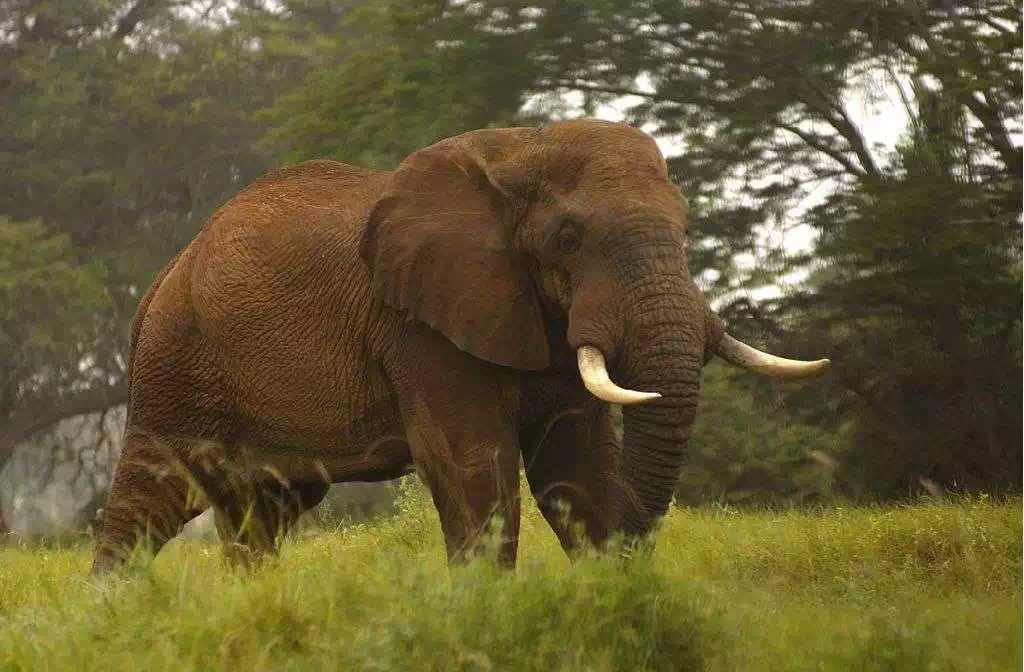
Despite this dark chapter, Tsavo has since become a sanctuary for the majestic giants. Today, Tsavo's elephants are celebrated for their impressive size and the unique coloration of their skin, which often appears reddish due to the rich, red soil of the region.
Characteristics of Tsavo Elephants
Tsavo's elephants are distinguished by several notable traits:
Tusks: Many of the elephants in Tsavo are known for their relatively small or absent tusks. This characteristic is believed to be an adaptation to the region’s environmental conditions and has sparked interest in studies on the evolutionary and ecological implications of tusk size.
Size and Color: Tsavo elephants are among the largest in Kenya, with males often reaching impressive sizes. Their skin is frequently covered in a reddish dust, which helps to protect them from insects and the harsh sun.
Behavior and Adaptation: Adapted to the park's diverse landscapes, Tsavo's elephants exhibit behaviors suited to the arid and semi-arid conditions. Their large size and social structures enable them to traverse long distances in search of food and water.
Conservation Efforts
The conservation of elephants in Tsavo National Park has been a priority for both Kenyan authorities and international organizations. The following are key aspects of the conservation efforts:
Anti-Poaching Initiatives: Tsavo has faced significant challenges with poaching over the years. In response, extensive anti-poaching measures have been implemented, including the deployment of specialized ranger units, the use of surveillance technology, and community engagement programs aimed at reducing human-wildlife conflicts.
Habitat Protection: Protecting the habitat of Tsavo's elephants is crucial for their survival. Efforts to preserve the park’s diverse ecosystems, including its water sources and vegetation, are integral to supporting the elephants and other wildlife.
Community Involvement: Engaging local communities in conservation efforts has proven effective in protecting Tsavo's elephants. Programs that promote sustainable land use and provide economic incentives for conservation help foster a positive relationship between people and wildlife.
Research and Monitoring: Ongoing research on the elephants of Tsavo provides valuable insights into their behavior, health, and genetics. This research helps inform conservation strategies and enhances understanding of the species’ needs.
Challenges and Future Prospects
Despite the progress made, the elephants of Tsavo continue to face several challenges:
Human-Wildlife Conflict: As human populations around Tsavo grow, conflicts between elephants and local communities over resources become more frequent.
Climate Change: The effects of climate change, including altered rainfall patterns and increased temperatures, impact the availability of water and food sources for elephants.
Poaching and Illegal Trade: Although anti-poaching efforts have reduced illegal hunting, the threat of poaching remains, driven by demand for ivory and other elephant products.
Conclusion
The elephants of Tsavo National Park are a symbol of both the majesty and fragility of Kenya's wildlife heritage. Their unique characteristics and the historical significance of the park make them a focal point for conservation efforts and research. As we look to the future, continued commitment to protecting Tsavo's elephants, alongside addressing the challenges they face, will be essential in ensuring that these iconic giants thrive in their natural habitat for generations to come. Through concerted conservation efforts and community engagement, Tsavo National Park will remain a sanctuary for these remarkable creatures, embodying the spirit of Kenya’s rich wildlife legacy. |