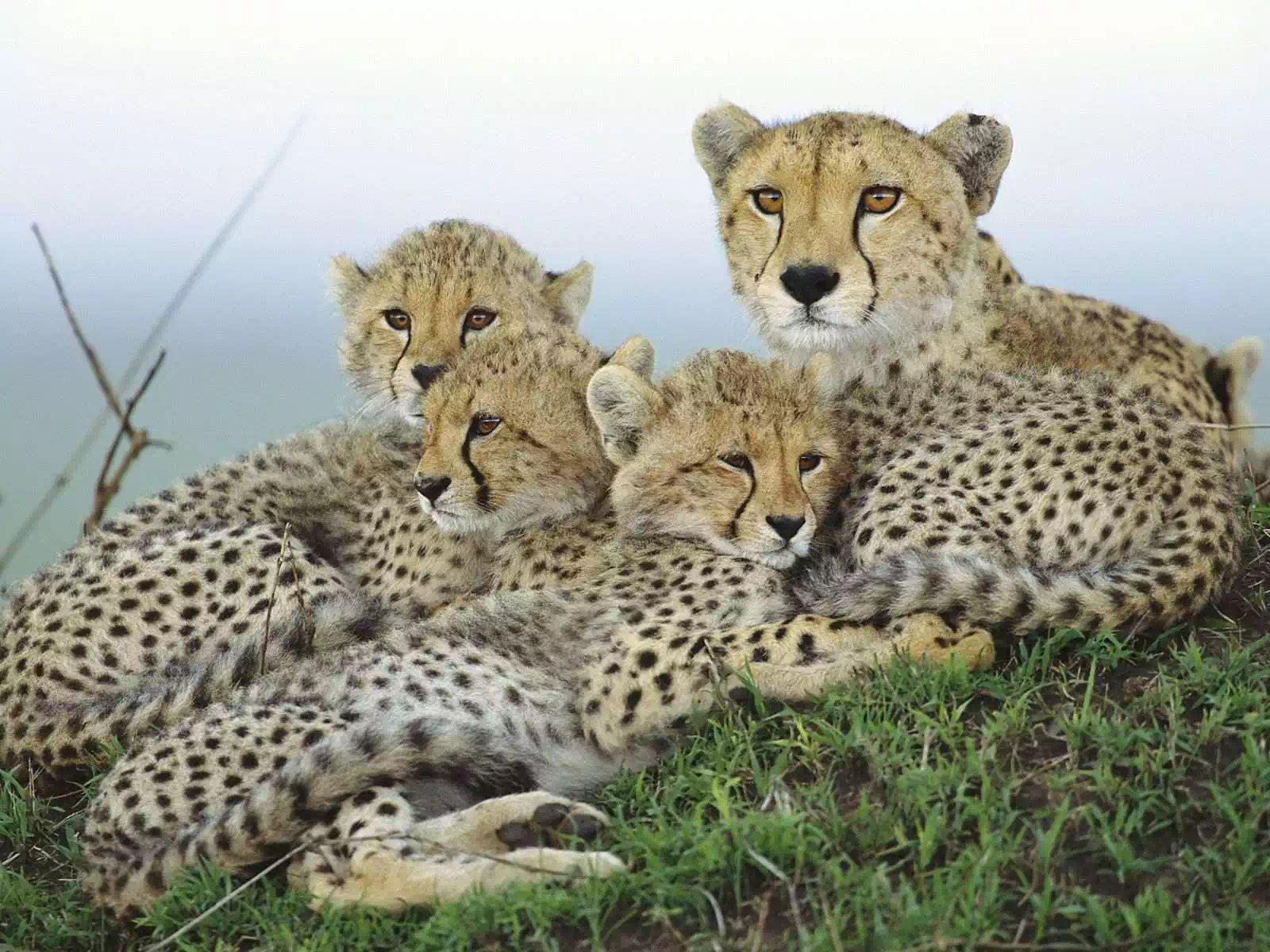
The Masai Mara National Reserve in Kenya is one of the most renowned wildlife destinations in the world, and it is particularly famous for its high density of big cats, including cheetahs. Here's an overview of cheetahs in the Masai Mara:
1. Cheetah Population
High Visibility: The Masai Mara is one of the best places in Africa to observe cheetahs in their natural habitat. The open savannah landscape of the Mara provides ideal conditions for cheetah sightings.
Population: The population of cheetahs in the Masai Mara is relatively stable, although, like all cheetah populations, it faces threats from habitat loss, human-wildlife conflict, and competition with other predators.
2. Behavior and Hunting
Hunting Strategy: Cheetahs in the Masai Mara are known for their incredible speed and agility, which they use to hunt prey such as Thomson’s gazelles, impalas, and other small to medium-sized ungulates. They rely on their speed to outrun their prey in short bursts, often reaching speeds of up to 70 mph (113 km/h).
Daily Activity: Cheetahs are diurnal, meaning they are most active during the day, particularly in the early morning and late afternoon when temperatures are cooler. This makes them more easily observable by tourists.
Territoriality: Male cheetahs, especially coalitions (groups of male cheetahs, often brothers), are territorial and often control prime areas of the reserve, which provide access to abundant prey.
3. Challenges
Competition: Cheetahs face significant competition from other predators in the Masai Mara, such as lions, leopards, and hyenas. These competitors can steal their kills or even kill cheetah cubs, which is why cheetahs are constantly vigilant and often hunt in areas where these larger predators are less frequent.
Human-Wildlife Conflict: Although the Masai Mara is a protected area, cheetahs occasionally venture outside the reserve boundaries, leading to potential conflicts with humans, particularly livestock herders.
4. Conservation Efforts
Protection: The Masai Mara is a protected reserve, and cheetahs benefit from anti-poaching measures and conservation efforts aimed at preserving their habitat and ensuring a sustainable prey base.
Research and Monitoring: Various conservation organizations and researchers are active in the Masai Mara, studying cheetah populations, their behavior, and their interactions with other species. This research helps inform conservation strategies to ensure the long-term survival of cheetahs in the region.
5. Tourism and Observation
Safari Experience: The Masai Mara is a popular destination for safari enthusiasts, offering excellent opportunities to see cheetahs in the wild. The reserve’s open grasslands make it easier to spot and photograph these elusive cats.
Migration Season: During the Great Migration, when millions of wildebeest, zebras, and gazelles move into the Mara from the Serengeti, cheetahs take advantage of the abundance of prey, and sightings can be particularly frequent.
Cheetahs in the Masai Mara are a significant draw for wildlife enthusiasts and play a crucial role in the ecosystem. Their presence, along with other big cats, contributes to the rich biodiversity that makes the Masai Mara a world-renowned wildlife reserve. |