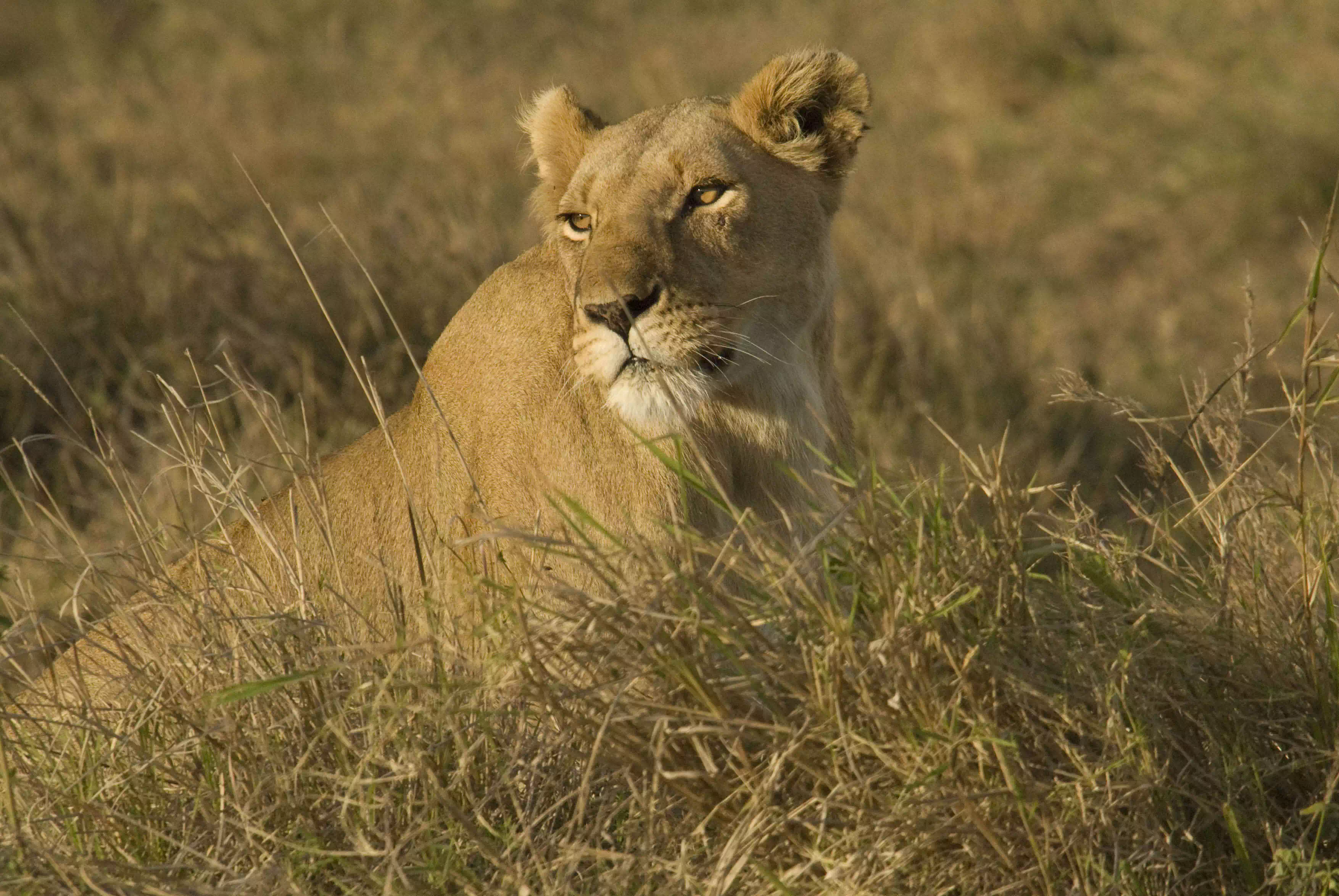
Lions are a significant part of Kenya's wildlife and play a crucial role in the country's ecosystems and tourism industry.
Species and Habitat
Species: The lion species found in Kenya is the African lion (Panthera leo). These lions are one of the largest big cats in the world and are characterized by their muscular build, tawny coat, and distinctive mane (in males).
Habitat: Lions in Kenya are primarily found in savannas, grasslands, and open woodlands. They thrive in areas where prey is abundant. Some of the best-known regions for lion sightings include:
Maasai Mara National Reserve: Known for the annual wildebeest migration, it's one of the best places to see lions.
Amboseli National Park: Famous for its views of Mount Kilimanjaro and large herds of elephants, it is also home to a significant lion population.
Tsavo National Park: This is one of the largest national parks in Kenya and is divided into Tsavo East and Tsavo West. It is known for the "man-eating lions of Tsavo," a historical event that occurred during the construction of the Kenya-Uganda railway.
Behavior and Social Structure
Social Structure: Lions are social animals and live in groups called prides. A pride typically consists of related females, their offspring, and a small number of adult males.
Hunting: Lionesses do most of the hunting, often working together to take down large prey such as zebras, buffaloes, and wildebeests. Males often help with larger prey or when defending the pride's territory.
Territorial Behavior: Male lions are highly territorial and defend their pride's area from other males. They mark their territory with scent markings and roaring.
Conservation Status
Threats: Lions in Kenya face several threats, including habitat loss due to human encroachment, conflicts with humans (especially in areas near livestock), and poaching. Climate change also affects prey availability.
Conservation Efforts: Kenya has implemented various conservation strategies, such as the establishment of national parks and reserves, community-based conservation programs, and anti-poaching initiatives. Organizations like the Kenya Wildlife Service (KWS) and various NGOs are actively involved in lion conservation.
Cultural Significance
Lions hold significant cultural importance in Kenya, particularly among the Maasai community, where they are seen as symbols of bravery and strength. Traditionally, young Maasai warriors were required to kill a lion as a rite of passage, though this practice has largely been replaced by lion conservation efforts.
Tourism
Lions are a major attraction for tourists visiting Kenya's national parks and reserves. Wildlife safaris, especially in the Maasai Mara during the Great Migration, offer opportunities to see lions in their natural habitat. This tourism plays a vital role in supporting conservation efforts and the local economy.
Population
The lion population in Kenya has declined over the past few decades due to the challenges mentioned above. However, ongoing conservation efforts aim to stabilize and eventually increase their numbers.
Kenya remains one of the best countries in the world to observe lions in the wild, making them a key species for both ecological balance and tourism. |