Exclusive travel logo

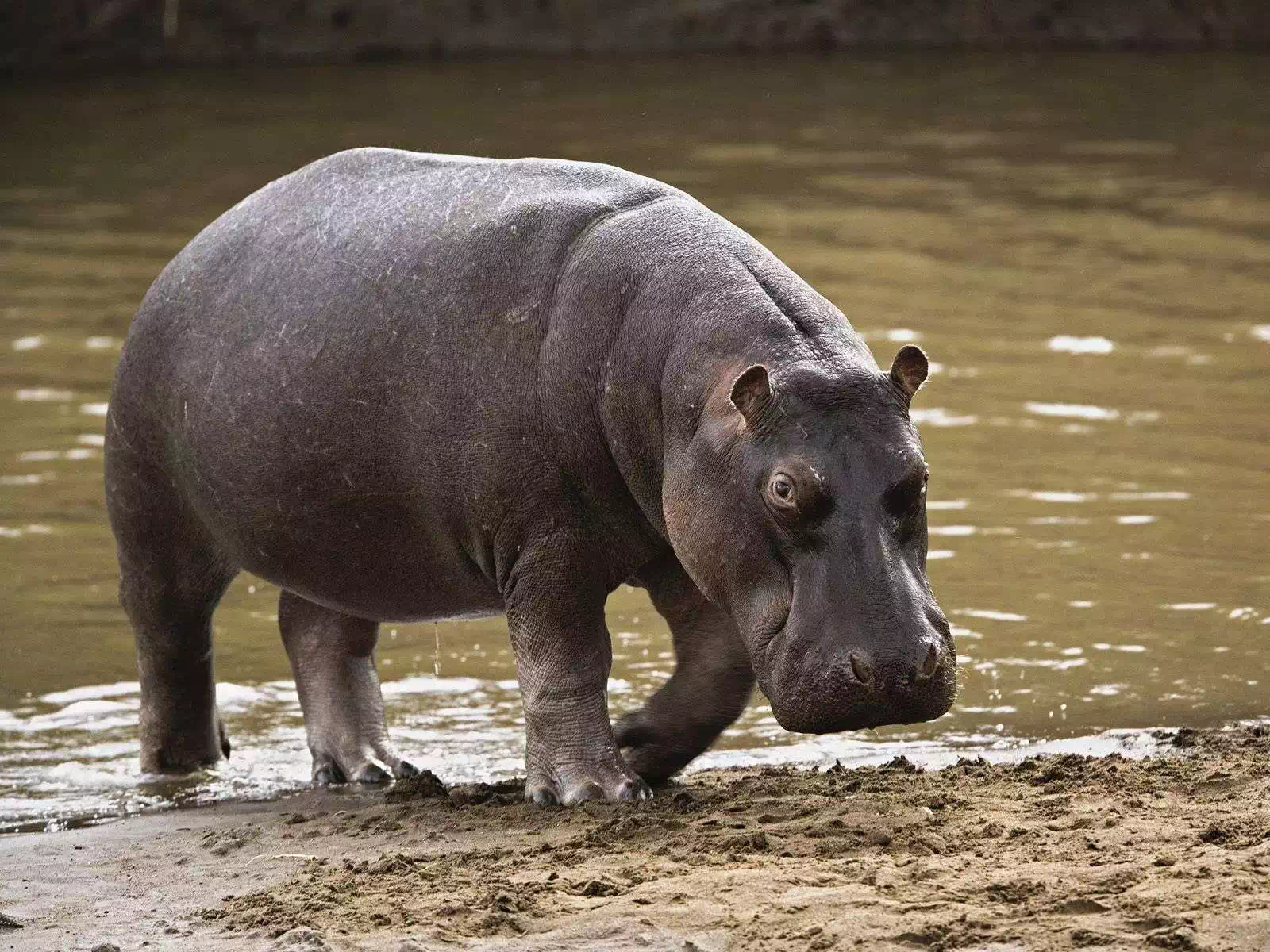
Photos of Hippopotamus Masai Mara Kenya
holiday resorts in Kenya

ReviewTell hotel reviews
Top Kenya Guides. Mombasa - Malindi - Nyali - Watamu
main animal photos gallery page First animal photo Previous Kenyan animal photo Next Kenyan animal photo Last Kenyan animal photo
Hippopotamus, Masai Mara, Kenya

Hippopotamus Masai Mara Kenya

The Hippopotamus in the Masai Mara, a renowned wildlife reserve in Kenya, is one of the iconic species in this vast ecosystem. The Masai Mara is home to a significant population of hippos, which thrive in the reserve's many rivers and water bodies, particularly the Mara River, where they can often be seen in large groups.

Key Features of Hippos in the Masai Mara:
Habitat:
Hippos in the Masai Mara are primarily found in the Mara and Talek Rivers. These rivers provide the deep water necessary for the hippos to submerge and stay cool during the day. The banks of these rivers are also ideal for grazing during the night.

Behavior:
Hippos are semi-aquatic mammals, spending much of their day submerged in water to protect their sensitive skin from the sun. They emerge at dusk to graze on grasses. Hippos are known to be highly territorial in water but more solitary on land.
In the Masai Mara, they are known for their loud vocalizations, which can be heard from a considerable distance. These sounds include grunts, roars, and the distinctive "wheeze-honk" that hippos are famous for.

Social Structure:
Hippos in the Masai Mara typically live in groups, or "pods," which can include anywhere from 10 to over 30 individuals. These groups are usually dominated by a single, large bull (male), with females and their young forming the majority of the pod.
The dominant male aggressively defends his stretch of the river, often engaging in fierce battles with rivals.

Ecological Role:
Hippos play a crucial role in the Masai Mara ecosystem. Their grazing helps control the vegetation along the riverbanks, preventing overgrowth. Moreover, their dung, deposited in the water, supports aquatic life by contributing to the nutrient cycle in the river system.

Conservation Status:
While hippos are not currently endangered, their populations are vulnerable due to habitat loss, human-wildlife conflict, and poaching. The Masai Mara provides a relatively safe haven for these animals, but they still face threats from changing land use around the reserve and from illegal hunting.

Tourist Attraction:
Visitors to the Masai Mara often have the opportunity to see hippos during game drives, particularly along the Mara River. Hippo sightings are especially popular during the Great Migration when thousands of wildebeest and other herbivores cross the river, and the presence of hippos adds to the dramatic wildlife experience.

In summary, hippos are an integral part of the Masai Mara's rich biodiversity. Their presence in the rivers and their behavior make them a fascinating subject for wildlife enthusiasts and an essential component of the reserve's ecosystem.


Kenya map Kenya Pages
HOME
Kenya Photo's
Kenya the country
Kenya Safari
Featured Hotels
Reviews
Top Kenya Guides. Mombasa - Malindi - Nyali - Watamu

Exclusive Travel Group on Social Media


Facebook Travel Photos luxury travel vacations Pinterest Jamaica Travel holiday travel photos Twitter Excluss Travel luxury travel holidays Daily Motion Travel Videos exclusive world holidays YouTubeTravel Videos LinkedIn Travel Excluss Travel on LinkedIn
DMCA Protection Status SiteLock ABTA
Part of Exclusive Travel Group Ltd ™. Reg Nu 16861677
Excluss. Review Tell. Flight Center. Exclusive Travel. Exclusive Safari™
Sitemap