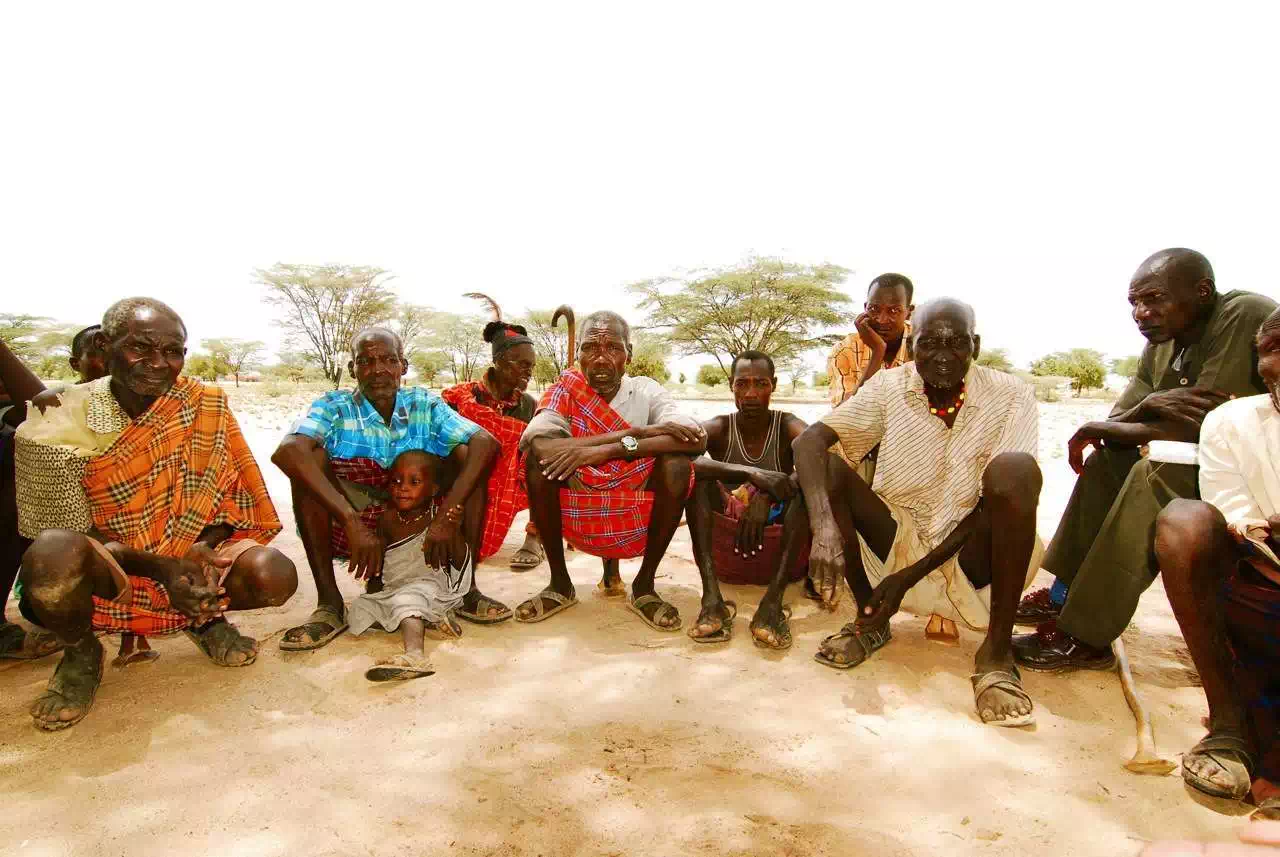
Local village meetings in Kenya play a crucial role in community governance, social cohesion, and development. These gatherings serve as a platform for communication, decision-making, and problem-solving at the grassroots level. Here are some key aspects highlighting the importance of local village meetings in Kenya:
1. Community Participation
Empowerment: Village meetings empower community members to participate in decision-making processes. By encouraging active participation, residents can voice their opinions, concerns, and suggestions, fostering a sense of ownership over local issues.
Inclusivity: These meetings provide a space for diverse groups within the community, including women, youth, and marginalized populations, to engage and contribute, ensuring that all voices are heard.
2. Problem Solving and Conflict Resolution
Addressing Local Issues: Village meetings allow community members to discuss pressing issues such as land disputes, resource management, security, and health concerns. Collaborative discussions can lead to effective solutions that reflect the community's needs.
Conflict Resolution: Local leaders and elders often mediate disputes during these gatherings, promoting peaceful resolutions and maintaining harmony within the community.
3. Strengthening Social Bonds
Community Cohesion: Regular meetings foster social ties among community members, strengthening relationships and building trust. This sense of belonging enhances cooperation and collaboration in various community activities.
Cultural Preservation: These gatherings often incorporate traditional practices, songs, and dances, helping to preserve local customs and cultural heritage while fostering a shared identity.
4. Development Planning and Resource Allocation
Local Development Initiatives: Village meetings are essential for planning and implementing development projects, such as schools, roads, and health facilities. Residents can prioritize their needs and collaborate on resource allocation, ensuring that development efforts are aligned with community goals.
Funding and Support: These gatherings can also serve as a platform to discuss funding opportunities, whether from government programs, NGOs, or community fundraising efforts, to support local initiatives.
5. Education and Awareness
Information Sharing: Village meetings are vital for disseminating information on government policies, health initiatives, agricultural practices, and other relevant topics. Community members can learn from experts and each other, enhancing knowledge and skills.
Capacity Building: Workshops and training sessions held during village meetings can empower individuals with skills and knowledge in areas such as entrepreneurship, sustainable farming, and health awareness.
6. Political Engagement
Civic Participation: Local village meetings serve as a platform for political engagement, allowing community members to discuss political issues, candidates, and government performance. This involvement promotes accountability and transparency in governance.
Election Mobilization: During election periods, these meetings help mobilize voters, educate them about candidates and policies, and encourage civic responsibility.
7. Response to Emergencies and Crises
Disaster Preparedness: In times of emergencies, such as droughts or floods, village meetings can facilitate quick and organized responses, ensuring that community members are informed and can take appropriate action.
Resource Sharing: During crises, these gatherings can help coordinate resources, support systems, and relief efforts to assist affected community members. |