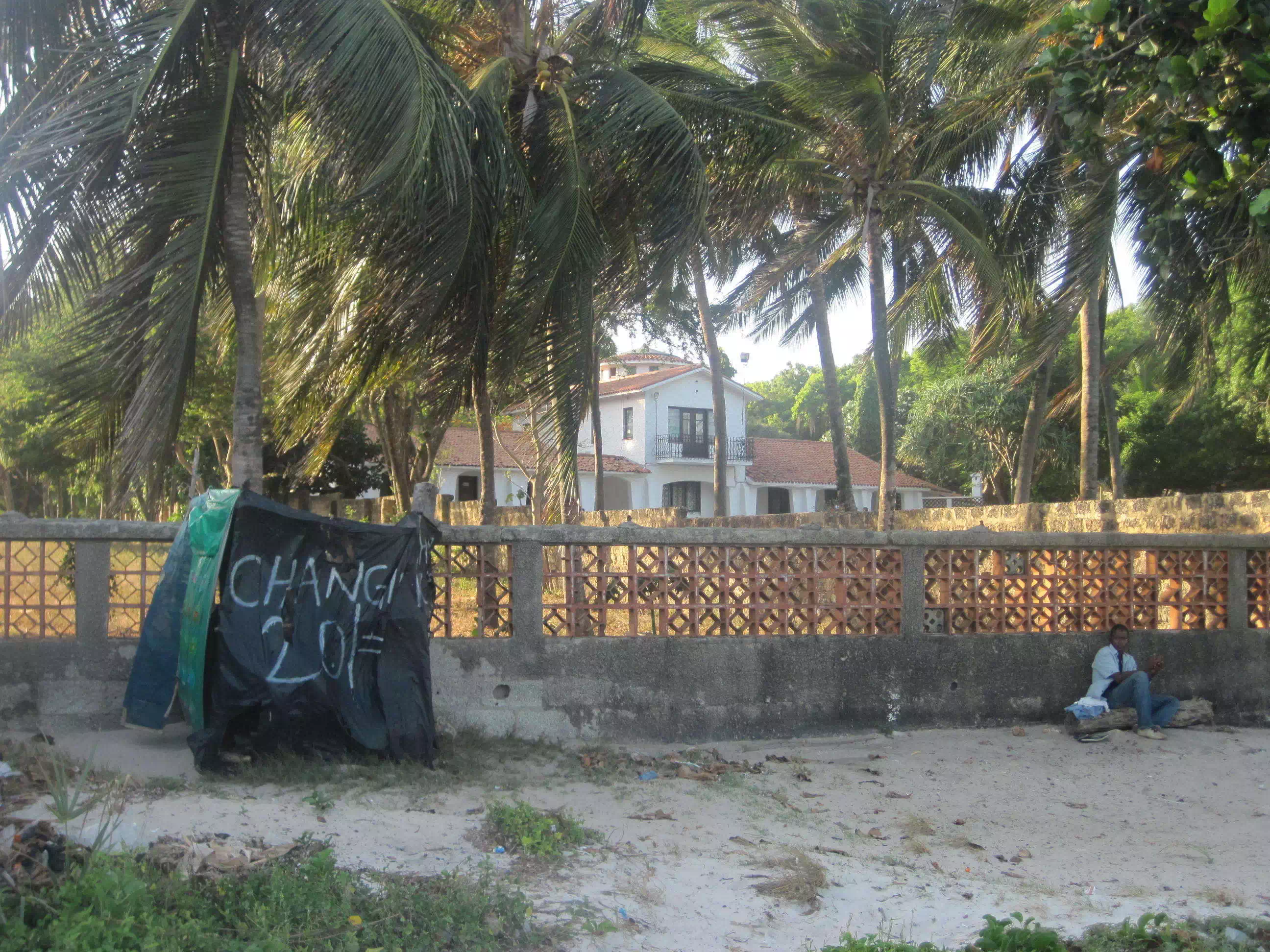
In Kenya, small change businesses, also referred to as micro-businesses, play a significant role in the economy and the daily lives of many citizens. These businesses typically require minimal startup capital and are a source of livelihood for a large segment of the population, especially in urban and peri-urban areas. Here's an overview of some common small change businesses in Kenya:
1. Street Vendors (Hawkers)
Products Sold: Street vendors sell a variety of goods, from fresh produce like fruits and vegetables to clothes, shoes, electronics, and small household items. Many vendors operate in busy areas like markets, bus stops, and street corners, catering to the everyday needs of pedestrians.
Mobile Nature: Hawkers often move from place to place, carrying their goods in bags, wheelbarrows, or carts, allowing them to reach customers in different areas throughout the day.
Key Locations: Nairobi, Mombasa, Kisumu, and other major towns have vibrant street vendor markets, with areas like Gikomba Market in Nairobi being well-known hubs for affordable items.
2. Food Stalls and Kiosks
Small Food Outlets: Many Kenyans run small food stalls, kiosks, or roadside eateries offering affordable meals such as chapati, ugali, mandazi (fried dough), and nyama choma (grilled meat). These businesses are particularly popular with low-income earners and office workers looking for quick and inexpensive meals.
Local Foods: Street foods like roasted maize, samosas, and boiled eggs are also commonly sold by small vendors on the side of roads and in markets.
Profitable Sector: The food sector is highly profitable for many small-scale entrepreneurs because of the low cost of ingredients and the high demand for convenient, ready-to-eat meals.
3. Boda Boda (Motorbike Taxis)
Transport Business: Boda bodas are motorbike taxis that provide quick and affordable transport within towns and rural areas. For many Kenyans, boda boda businesses are a lifeline, both as a mode of transportation and as a source of income.
Easy to Start: Starting a boda boda business requires only a motorbike and a basic understanding of traffic regulations. Many young men and women have entered this business due to its low entry barriers.
Demand: The demand for boda boda services is high, especially in areas where public transport options are limited or unreliable.
4. Mama Mboga (Vegetable Sellers)
Selling Fresh Produce: A "mama mboga" (vegetable seller) is a common sight in both urban and rural markets in Kenya. These women typically sell fresh fruits and vegetables, often in small quantities that are affordable to their customers.
Market Setup: Most mama mbogas operate from small wooden stalls or sell directly from baskets on the ground. They often source their produce from local farmers or wholesale markets like Marikiti Market in Nairobi.
Community Importance: Mama mbogas play an essential role in their communities by providing fresh, affordable food and building close relationships with their customers.
5. Second-Hand Clothing (Mitumba)
Affordable Fashion: Mitumba (second-hand clothes) businesses are very popular in Kenya. Traders sell used clothes and shoes imported from other countries at affordable prices, making fashion accessible to many.
Popular Markets: Gikomba Market in Nairobi is one of the largest mitumba markets, attracting thousands of customers daily. Vendors sell everything from casual wear to designer clothes, creating opportunities for customers to find unique and affordable items.
Low Start-Up Costs: This business requires low capital to start, as vendors can buy bales of second-hand clothing in bulk and sell them for a profit.
6. Mobile Money Agents (Mpesa Agents)
Financial Services: M-Pesa agents operate small booths or kiosks where customers can deposit or withdraw money, pay bills, or send money via the popular mobile money platform, M-Pesa. These agents are crucial to the financial ecosystem, particularly in areas where access to banks is limited.
Growth in Digital Economy: As mobile money services continue to grow in popularity, more entrepreneurs are opening M-Pesa agent kiosks in both urban and rural areas, contributing to financial inclusion.
Low Overhead: The business has low overhead costs, making it attractive for individuals looking to start with limited capital.
7. Jua Kali (Informal Artisans)
Handcrafted Goods: Jua Kali, which translates to "hot sun" in Swahili, refers to the informal sector of artisans who make and sell handcrafted goods. These businesses include mechanics, carpenters, metalworkers, and tailors who operate in open-air workshops or small stalls.
Diverse Offerings: Jua Kali artisans produce a wide range of products, from furniture and tools to clothing and metalwork. These goods are typically custom-made and cater to local needs at affordable prices.
Significant Employment: The Jua Kali sector is one of the largest employers in Kenya, providing jobs for millions of skilled and semi-skilled workers.
8. Small Retail Shops (Dukas)
Convenience Stores: Dukas are small neighborhood shops that sell essential household goods, including foodstuffs, toiletries, and cleaning products. They are often located in residential areas and serve the everyday needs of the local community.
Credit System: Many duka owners allow customers to buy goods on credit, building strong relationships and trust within the community.
Low Overheads: Running a duka requires minimal space and inventory, making it a popular choice for individuals looking to start a business with limited resources.
9. Cybercafés and Printing Services
Internet Services: Cybercafés provide internet access to the public, especially in areas where personal internet access may be limited. They also offer services like printing, photocopying, and typing, which are essential for students and small businesses.
Affordable Access: With affordable rates for internet browsing, scanning, and document processing, cybercafés remain in demand, particularly in urban centers and towns.
10. Mobile Beauty Services
On-Demand Services: Hairdressers, barbers, and beauticians in Kenya often operate mobile businesses, visiting clients in their homes to offer haircuts, braiding, manicure, and pedicure services. This allows flexibility for both the entrepreneur and the client.
Low-Cost Setup: Minimal equipment and supplies are needed, making this an accessible small change business for many aspiring entrepreneurs in the beauty industry.
Small change businesses in Kenya are an integral part of the economy, providing employment, supporting communities, and offering essential goods and services at affordable prices. They reflect the resilience and entrepreneurial spirit of many Kenyans who use their skills and limited capital to improve their livelihoods. These businesses are key to the local economy, particularly in underserved areas, and continue to thrive despite economic challenges. |