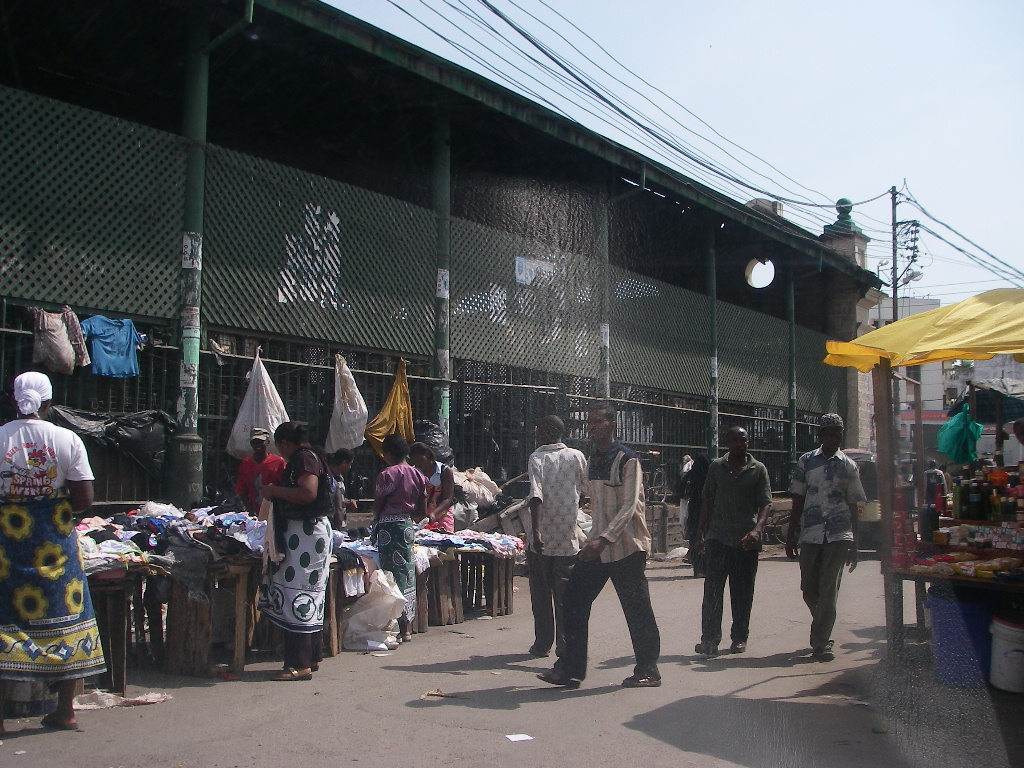
Side street shopping in Mombasa offers a vibrant and authentic experience, where locals and tourists alike can explore a wide array of goods, from handcrafted items to fresh produce. The bustling streets and open markets of Mombasa are filled with small vendors and shops, offering a more personal and often affordable shopping experience compared to larger malls or stores. The city's rich cultural heritage, rooted in Swahili, Arab, Indian, and African influences, is reflected in the diverse products available in these side street markets.
Here’s what you can expect from side street shopping in Mombasa:
1. Handcrafted Goods and Souvenirs
Kikois and Kangas: These are traditional Swahili garments, often brightly colored and decorated with intricate patterns. Vendors sell a wide range of kikois (rectangular cloth wraps) and kangas (brightly patterned fabrics with Swahili sayings), which are used as clothing or decorative pieces.
Beaded Jewelry: Maasai beadwork is popular in Mombasa, and you’ll find many stalls selling colorful handmade necklaces, bracelets, earrings, and belts. These accessories are often crafted with precision and reflect Kenya's rich cultural diversity.
Wooden Carvings: Hand-carved wooden items, such as sculptures of animals, masks, and furniture, are a common sight in side street shops. The Makonde carvings, known for their intricate details, are particularly popular with tourists looking for unique African art pieces.
Soapstone: Kenyan soapstone carvings from the Kisii region are sold in many side street shops. These carvings, often in the form of animals, bowls, or abstract shapes, make beautiful and affordable souvenirs.
2. Fresh Produce and Spices
Open-Air Markets: In markets like Marikiti Market and smaller neighborhood markets, vendors sell fresh fruits, vegetables, and herbs. Tropical fruits like mangoes, pineapples, and coconuts are abundant, and the prices are often negotiable.
Spices: Mombasa, with its Swahili heritage, is a hub for spices. At street stalls, you’ll find a variety of spices like cloves, cinnamon, cardamom, and turmeric, which are essential in Swahili and coastal cooking. These spices are often sold in small packets, and vendors are happy to share recipes or tips for using them.
3. Clothing and Fabrics
Second-Hand Clothing (Mitumba): Mombasa is well-known for its mitumba markets, where vendors sell second-hand clothing imported from abroad. These markets offer affordable, good-quality items, including casual wear, shoes, and even designer brands at a fraction of the price. Many shoppers enjoy searching for unique or vintage finds.
Custom Tailoring: Tailors in the side streets offer affordable services, including custom-made clothing. You can purchase fabric from the nearby markets and have a tailor create a garment to your specifications, often for a very reasonable price.
4. Street Food Vendors
Snacks and Local Delicacies: As you walk along Mombasa's streets, you'll encounter vendors selling a variety of street foods. Popular snacks include samosas, bhajias (fried potato fritters), viazi karai (deep-fried potatoes), and mshikaki (grilled meat skewers). Freshly roasted maize is also commonly sold.
Fresh Juices and Coconut Water: Vendors selling fresh coconut water, known as madafu, are common, especially near the beaches. Freshly squeezed sugarcane juice mixed with lime and ginger is also a favorite among locals.
5. Electronics and Accessories
Mobile Phones and Accessories: Many side street vendors sell mobile phones, chargers, earphones, and phone covers at affordable prices. These stalls are especially prevalent around busy bus terminals and markets.
Second-Hand Electronics: In markets like Mikindani Market, you can find second-hand electronics, including radios, televisions, and household appliances. These items are often refurbished and sold at much lower prices than in traditional retail shops.
6. Household Items and Utensils
Plastic Goods: Vendors selling plastic containers, buckets, chairs, and other household items are common in Mombasa’s streets. These goods are typically affordable and practical for daily use.
Cookware and Cutlery: Shoppers can also find traditional cookware such as clay pots, iron cooking pans, and knives. These items are often handmade or sourced locally, offering both functionality and cultural significance.
7. Footwear and Sandals
Akala Sandals: Many street vendors sell traditional akala sandals, which are made from recycled tires. These durable sandals are popular for their affordability and eco-friendliness. They are often handcrafted, and some vendors offer custom designs.
Flip-Flops and Casual Shoes: In addition to traditional sandals, vendors sell a variety of flip-flops, casual shoes, and sandals, which are practical for the coastal weather.
8. Artisans and Craftwork
Street Artists: It’s common to find artists painting or drawing near their small stalls, often offering original pieces of artwork or portraits. These artworks, typically depicting coastal landscapes, wildlife, or Swahili culture, make for unique and personal souvenirs.
Weaving and Basketry: Baskets, mats, and bags made from woven sisal or palm leaves are commonly sold along the streets. These items are not only functional but also beautifully crafted, showcasing traditional weaving techniques.
9. Bartering and Bargaining Culture
Negotiation: Bargaining is an essential part of the shopping experience in Mombasa’s side street markets. Vendors usually expect customers to negotiate the price, and it is a friendly and common practice. However, it’s always important to keep the exchange respectful.
Local Economy: By shopping at these side street stalls, buyers contribute directly to the local economy, supporting small businesses and artisans who rely on daily sales to make a living.
10. Popular Areas for Side Street Shopping
Old Town Mombasa: This historical part of the city is known for its narrow streets lined with shops selling antiques, Swahili handicrafts, and curios. It's a great place to find unique souvenirs while soaking in the rich cultural heritage of the area.
Nyali and Bamburi: In these suburban areas, side street markets and vendors can be found near residential neighborhoods and tourist spots, offering everything from food and groceries to clothing and electronics.
Likoni: Across the Likoni ferry, this part of Mombasa has bustling markets where locals and visitors can shop for second-hand clothes, fresh produce, and household goods. |