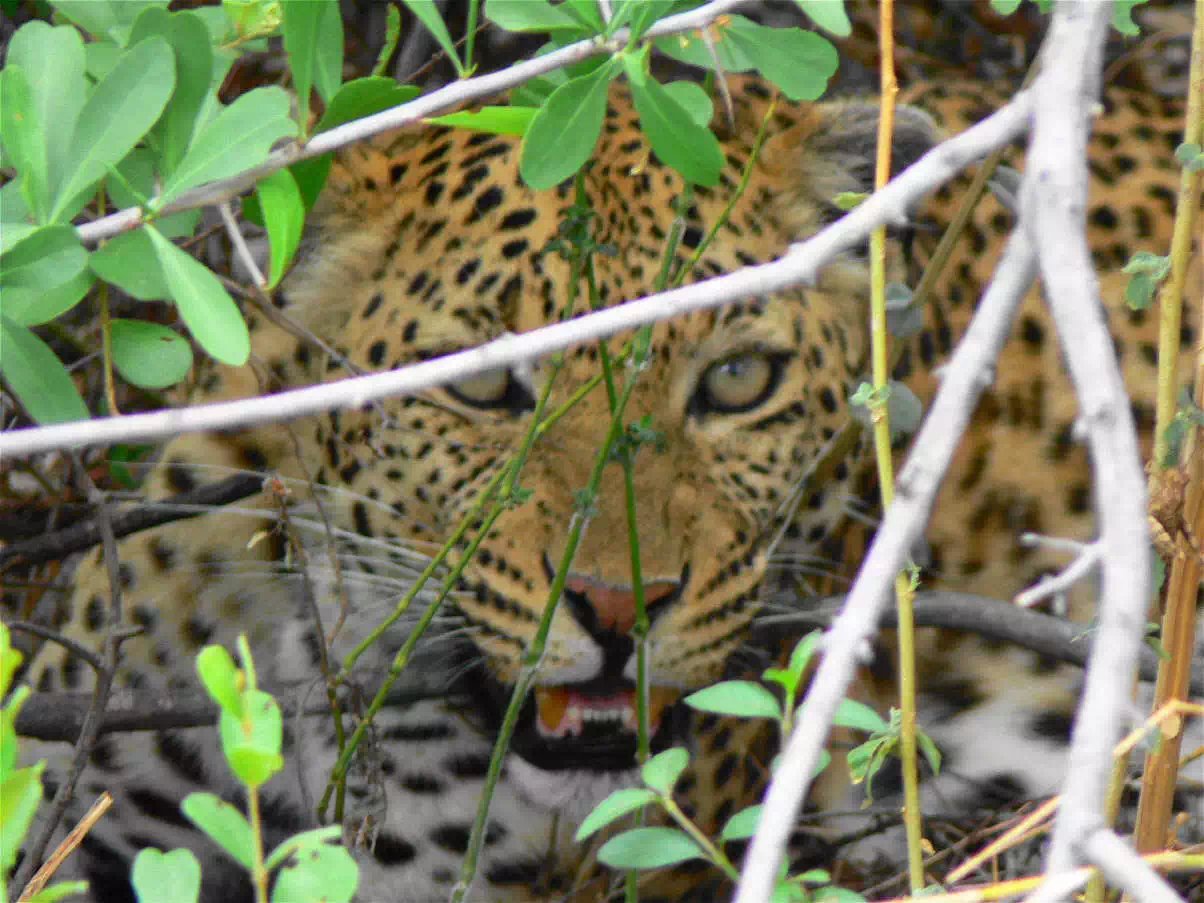
Leopards on safari are a highlight for many wildlife enthusiasts and photographers. These elusive big cats are known for their solitary nature, beautiful spotted coats, and incredible agility. Here’s an overview of leopards in the context of safari experiences, their behavior, habitat, and the best places to observe them in the wild.
Overview of Leopards
Physical Characteristics
Leopards (Panthera pardus) are medium-sized big cats, known for their distinctive coat of rosettes. Their fur ranges from golden to yellowish-brown, providing excellent camouflage in their natural habitats.
They are agile climbers, often seen resting in trees or using them as vantage points for hunting. Their long, muscular bodies and powerful limbs make them adept hunters.
Behavior and Diet
Leopards are solitary animals, preferring to live and hunt alone. They are primarily nocturnal, which means they are most active during the night, making them challenging to spot during the day.
Their diet is varied and includes small to medium-sized mammals, birds, and reptiles. They are known for their ability to drag prey up into trees to avoid scavengers, such as hyenas and lions.
Observing Leopards on Safari
Best Safari Destinations
Maasai Mara National Reserve, Kenya: Known for its high density of leopards, the Maasai Mara offers excellent opportunities for sightings, especially during the Great Migration.
Serengeti National Park, Tanzania: The vast landscape of the Serengeti is home to many leopards. The park’s trees provide perfect spots for leopards to rest and stalk prey.
Kruger National Park, South Africa: This iconic park is home to a significant population of leopards. Guided safari tours and self-drive options provide great chances to spot these elusive cats.
Chobe National Park, Botswana: The diverse ecosystems in Chobe, from riverine forests to open savannahs, create ideal habitats for leopards.
Safari Experiences
Game Drives: Morning and evening game drives are the best times to spot leopards, as they are most active during these hours. Guides use their knowledge of leopard behavior and territory to increase the chances of sightings.
Walking Safaris: In some parks, guided walking safaris offer a unique perspective on wildlife, allowing visitors to experience the bush up close. While leopards may not be spotted on foot, the experience provides insight into the ecosystem.
Photography Safaris: Many safari operators offer specialized photography tours, focusing on capturing wildlife in their natural behaviors. Leopards provide excellent subjects for photographers due to their striking appearance and elusive nature.
Tips for Spotting Leopards
Stay Quiet: Leopards are sensitive to noise. Staying quiet and patient can increase the chances of encountering one.
Look Up: Since leopards often rest in trees, scanning the branches can help spot them hidden among the foliage.
Listen for Calls: Being attuned to the sounds of the bush, such as alarm calls from other animals, can indicate a leopard's presence nearby.
Conservation Challenges
Threats to Leopard Populations
Leopards face various threats, including habitat loss due to human encroachment, poaching, and conflicts with livestock. Their solitary nature can make it challenging to track population numbers accurately.
Conservation efforts are crucial to protect their habitats and ensure sustainable populations. Many national parks and reserves implement anti-poaching measures and community education programs to promote coexistence.
Ecotourism and Conservation
Responsible ecotourism plays a vital role in leopard conservation. Safaris provide funding for protected areas, creating an economic incentive to preserve wildlife habitats.
By participating in eco-friendly safaris, visitors contribute to conservation efforts while enjoying the experience of observing leopards in their natural habitat.
Experiencing leopards on safari is a thrilling adventure that showcases the beauty and majesty of these remarkable big cats. Their elusive nature, combined with the stunning landscapes of Africa, creates unforgettable memories for wildlife enthusiasts. As conservation challenges continue, it’s essential for safari operators and travelers alike to engage in responsible practices that support the protection of leopards and their habitats. Whether you're a photographer hoping to capture the perfect shot or simply an admirer of wildlife, spotting a leopard in the wild is sure to be a highlight of any safari experience. |