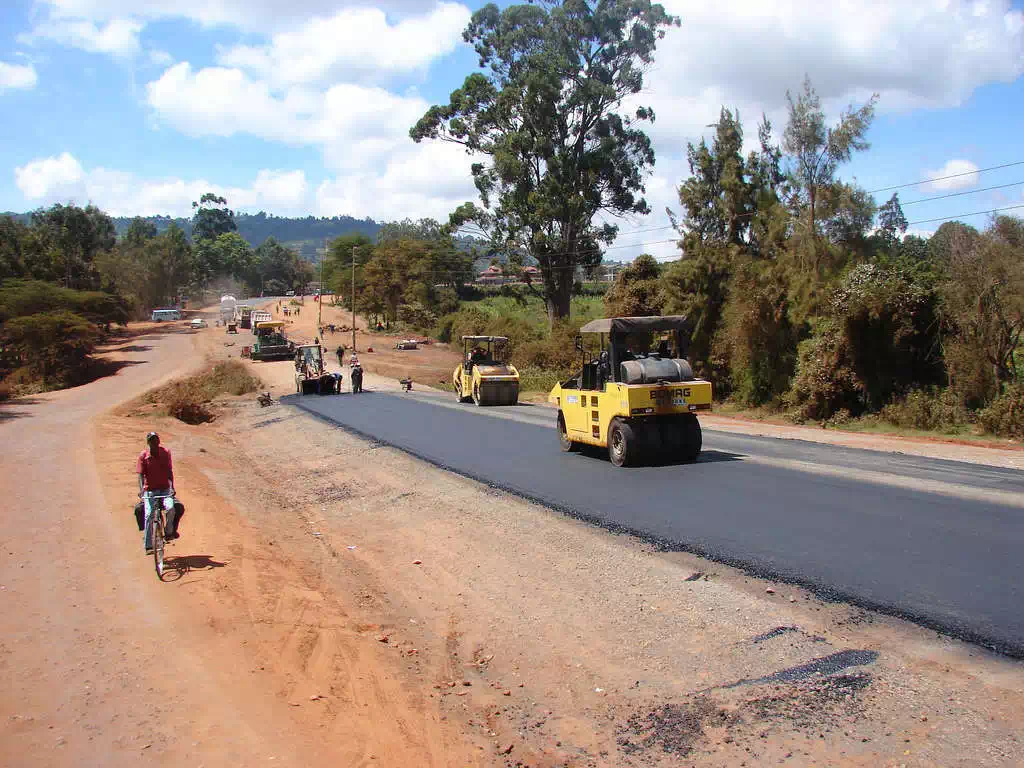
Road construction in Mombasa is a significant aspect of the city's infrastructure development, aimed at improving transportation networks, reducing traffic congestion, and enhancing connectivity within the region. Here’s an overview of the current state of road construction in Mombasa, including ongoing projects, challenges, and impacts on the community.
Current State of Road Construction
Infrastructure Development Projects
Mombasa has seen numerous road construction and rehabilitation projects in recent years to address the increasing population and vehicle traffic.
Key projects include the construction of new roads, expansion of existing ones, and upgrading of vital links between different areas of the city and surrounding regions.
Major Road Projects
Mombasa-Mariakani Highway: This vital road links Mombasa to other parts of the Coast region and is being upgraded to enhance safety and increase capacity.
Dongo Kundu Bypass: A crucial project aimed at decongesting traffic in Mombasa by providing an alternative route around the city. The bypass will facilitate smoother transport of goods and reduce travel time between Mombasa and the mainland.
Link Roads: Various link roads within Mombasa are being constructed or rehabilitated to improve access to residential and commercial areas.
Challenges Faced
Traffic Congestion
Road construction often leads to temporary traffic disruptions and congestion, affecting daily commuters and businesses. The increased number of vehicles in Mombasa exacerbates these issues.
The construction schedules must balance progress with minimizing inconveniences to residents and road users.
Funding and Budget Constraints
Securing adequate funding for road construction projects can be challenging, with budget constraints affecting the pace of development. Many projects rely on government funding, donor assistance, or public-private partnerships.
Delays in disbursement of funds can stall projects, leading to prolonged construction periods.
Land Acquisition and Resettlement
Road construction may require land acquisition, which can lead to disputes and delays. Negotiating compensation and relocating affected residents are often complex processes.
Community engagement is essential to address concerns and facilitate smoother implementation of projects.
Community Impact
Economic Benefits
Improved road infrastructure enhances trade and commerce by facilitating the movement of goods and people. This is particularly important for Mombasa, a key port city in East Africa.
Better roads can lead to increased property values in the surrounding areas and attract investment and tourism.
Safety and Accessibility
New and upgraded roads improve safety for motorists and pedestrians, reducing the risk of accidents. Well-constructed roads can also enhance accessibility to essential services, such as healthcare and education.
Enhanced transportation links support the local economy by providing easier access to markets and employment opportunities.
Road construction in Mombasa is a vital component of the city’s growth and development. While it presents challenges such as traffic congestion and funding constraints, the long-term benefits of improved infrastructure—such as enhanced connectivity, economic growth, and increased safety—are significant. Continued investment in road projects will be crucial for Mombasa's development, ensuring that the city can effectively serve its residents and contribute to the broader economy of Kenya and the East African region. Effective planning, community involvement, and sustainable practices will be essential to achieving these goals while minimizing disruptions during construction. |