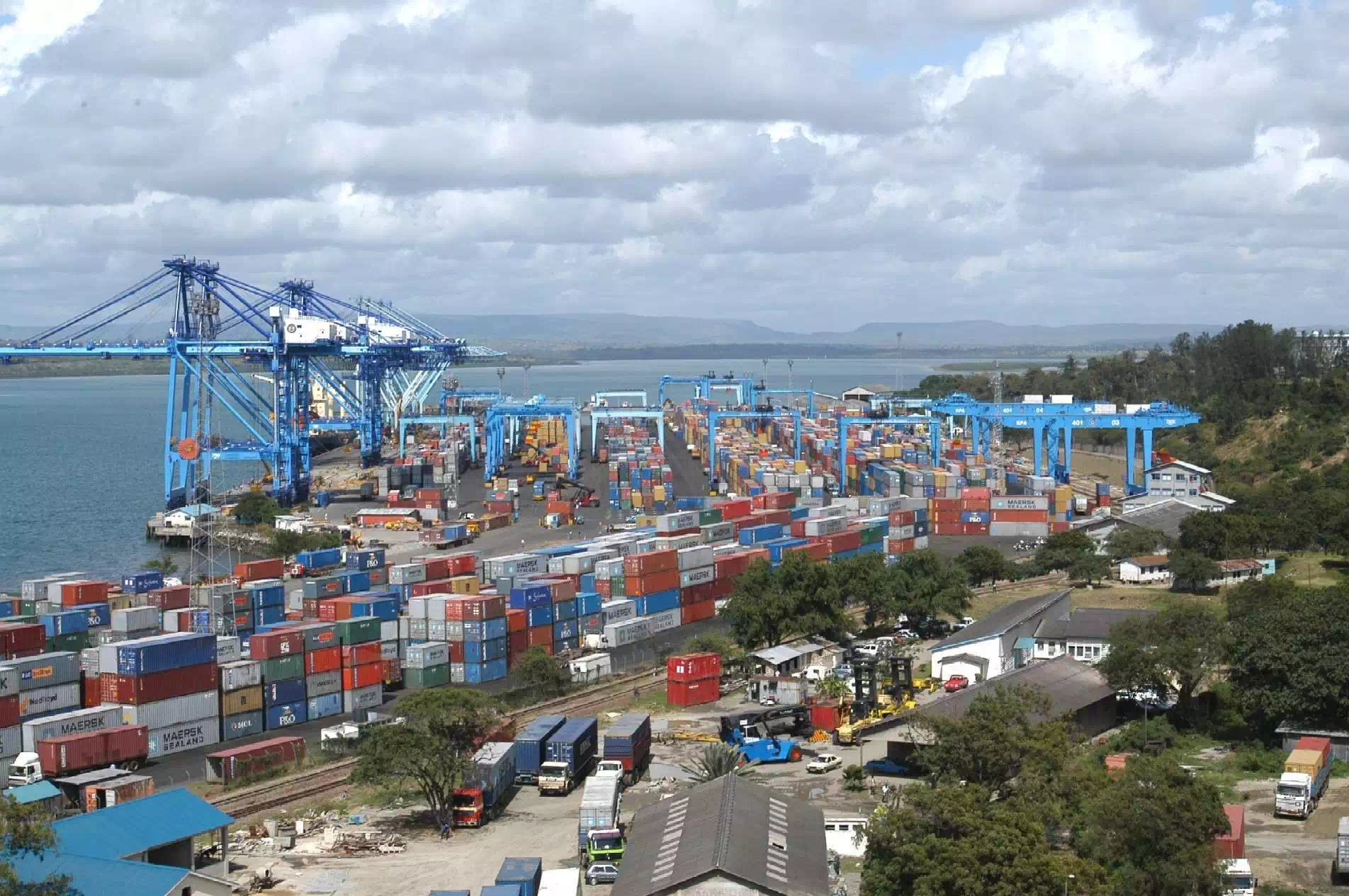
The Mombasa Container Terminal, located at the Port of Mombasa in Kenya, is one of the most significant and busiest container ports in East Africa. It serves as a vital gateway for international trade in the region, handling a substantial portion of the cargo that flows in and out of East and Central Africa.
Overview of the Port of Mombasa
Location: The Port of Mombasa is situated on the Indian Ocean coast of Kenya, in the city of Mombasa. It is strategically positioned to serve as a hub for maritime trade not just for Kenya, but also for landlocked countries in East and Central Africa, such as Uganda, Rwanda, Burundi, South Sudan, and parts of the Democratic Republic of the Congo.
Container Terminal Facilities
Terminal Layout: The Mombasa Container Terminal consists of several berths specifically designed to handle containerized cargo. The terminal is equipped with modern cranes, gantries, and other handling equipment that facilitate the efficient loading and unloading of containers from ships.
Capacity: The terminal has undergone several expansions and upgrades to increase its capacity. As of recent developments, it can handle over 1.3 million TEUs (Twenty-foot Equivalent Units) annually, making it one of the largest container terminals in the region.
Berths: The container terminal includes multiple deep-water berths that accommodate large container ships. These berths are equipped with state-of-the-art cranes that can handle Panamax and post-Panamax vessels.
Key Features and Infrastructure
Handling Equipment: The terminal is equipped with various types of cranes, including ship-to-shore (STS) cranes, rubber-tired gantry (RTG) cranes, and reach stackers, which are essential for efficient container handling.
Storage Facilities: The terminal has extensive storage areas, including yards for stacking containers, refrigerated container (reefer) facilities for perishable goods, and specialized areas for hazardous cargo.
Rail Connectivity: The Mombasa Container Terminal is connected to the Standard Gauge Railway (SGR), which links the port to Nairobi and further inland. This rail connection allows for faster and more efficient transportation of containers to and from the port, reducing congestion on the roads.
ICT Systems: The terminal operates using advanced information and communication technology (ICT) systems that facilitate the management of container movements, customs clearance, and cargo tracking. This includes the Kenya Ports Authority (KPA) electronic portal for real-time information on cargo status.
Economic Importance
Gateway for Trade: The Mombasa Container Terminal plays a crucial role in Kenya's economy, serving as the primary entry and exit point for goods destined for both the domestic market and neighboring countries. The port is a critical link in the supply chain for industries such as manufacturing, retail, and agriculture.
Regional Hub: Due to its strategic location, the port is a key transshipment hub for the East African region. It handles a significant volume of cargo for countries that rely on the port for access to international markets, particularly landlocked nations.
Challenges and Developments
Congestion: One of the major challenges faced by the Mombasa Container Terminal has been congestion, both within the port and on the roads leading to it. This has been mitigated to some extent by the development of the SGR and ongoing expansion projects.
Expansion Projects: To accommodate increasing cargo volumes, the port has undergone several expansion projects. These include the construction of new berths, the deepening of existing ones, and the expansion of container storage areas. The construction of the second container terminal, known as the Mombasa Port Development Project (MPDP), is one such effort to increase capacity.
Security and Efficiency: Efforts have been made to enhance the security and efficiency of the terminal, including the implementation of modern surveillance systems, customs control measures, and the adoption of international best practices in port management.
Environmental Considerations
Sustainability: The port has been working on improving its environmental sustainability, including measures to manage waste, reduce emissions, and protect the surrounding marine environment. These initiatives are important as the port continues to expand and increase its capacity.
Future Outlook
The Mombasa Container Terminal is poised to continue its role as a pivotal player in East African trade. With ongoing investments in infrastructure and technology, the port is expected to handle increasing volumes of cargo, further strengthening its position as a regional trade hub. Its success is also critical to the economic development of Kenya and its neighboring countries, making the terminal a key focus area for both government and private sector investments. |