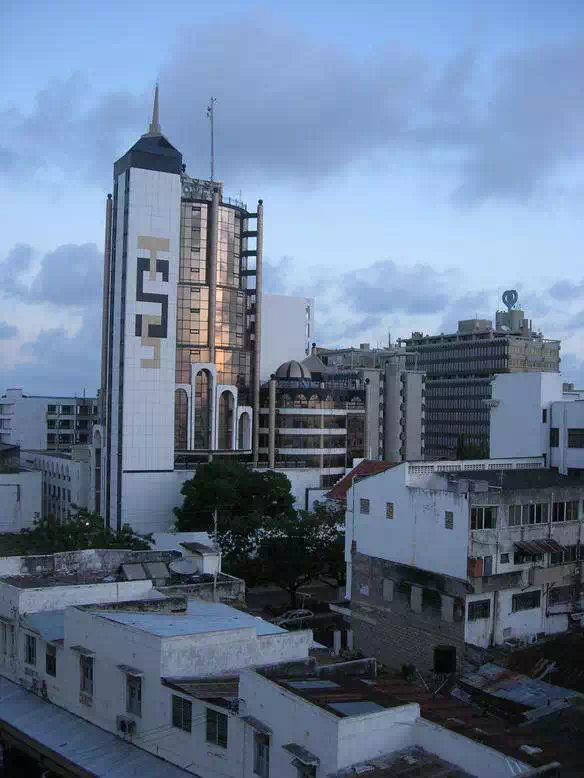
Mombasa, Kenya's second-largest city, is a vibrant and historic coastal city known for its unique blend of African, Arab, Indian, and European architectural influences. The city’s buildings reflect this diverse cultural heritage, ranging from ancient fortresses and colonial-era structures to modern high-rises and commercial centers.
1. Fort Jesus
Historical Significance: Built by the Portuguese between 1593 and 1596, Fort Jesus is one of Mombasa’s most iconic landmarks. The fort was constructed to protect the port of Mombasa and stands as a symbol of the city’s historical significance in the Indian Ocean trade routes.
Architecture: Fort Jesus features traditional Portuguese military architecture with massive walls, bastions, and a strategic coastal location. It now serves as a museum, showcasing artifacts from various periods of Mombasa’s history.
2. Old Town
Overview: Mombasa's Old Town is a historic district that showcases the city's Swahili, Arab, and Indian influences. The narrow, winding streets are lined with old buildings featuring intricately carved wooden doors, arched windows, and ornate balconies.
Notable Buildings:
Leven House: A historic building that once served as the British Consulate. It is an excellent example of colonial architecture mixed with Swahili influences.
Mandhry Mosque: One of the oldest mosques in Mombasa, dating back to the early 19th century, featuring simple, elegant Islamic architecture.
3. The Mombasa Tusks (Pembe Za Ndovu)
Significance: The Mombasa Tusks are not buildings but a famous landmark constructed in 1952 to commemorate Queen Elizabeth's visit to Mombasa. They are located on Moi Avenue, a major thoroughfare in the city.
Design: The tusks are made of aluminum and form an arch over the road. They are shaped to resemble elephant tusks, symbolizing the importance of Mombasa as a gateway to the African continent.
4. Modern High-Rise Buildings
Commercial and Residential Towers: Mombasa has seen significant growth in modern high-rise buildings, particularly in the city center and areas like Nyali and Tudor. These structures include office buildings, hotels, and luxury apartments.
Bima Towers: A prominent commercial building in the city center, featuring modern architectural design and serving as an office space for various businesses.
Nyali Center: A modern shopping mall and business complex that serves the upscale Nyali neighborhood, showcasing contemporary architecture.
5. Swahili Houses
Traditional Swahili Architecture: Many buildings in Mombasa, especially in the older parts of the city, exhibit traditional Swahili architecture. These houses typically have thick coral stone walls, high ceilings, large windows, and intricately carved wooden doors and shutters.
Cultural Significance: These homes reflect the coastal Swahili culture, which has been influenced by Arab, Persian, Indian, and African design elements. The inner courtyards and flat roofs are characteristic of Swahili homes, designed to keep interiors cool in the hot coastal climate.
6. Religious Buildings
Mosques: Mombasa is home to several significant mosques, reflecting the city's large Muslim population and its historical connections with the Arab world.
The Baluchi Mosque: Known for its beautiful green dome and minarets, it is an example of Indian-Islamic architecture in the heart of Mombasa.
Basheikh Mosque: Another prominent mosque, known for its historical significance and traditional design.
Churches:
Holy Ghost Cathedral: A key religious site for Catholics in Mombasa, the Holy Ghost Cathedral features a blend of Gothic and colonial architectural styles.
Mombasa Memorial Cathedral: An Anglican church that was built in the early 20th century, reflecting British colonial architecture with its stone walls and tall, stained-glass windows.
7. Government and Administrative Buildings
Mombasa County Hall: The administrative headquarters of Mombasa County, this building combines modern design with functionality, serving as the center for local governance.
The Treasury Square: An area known for its colonial-era government buildings, including the old Treasury Building, which is an example of British colonial architecture.
8. Hotels and Resorts
Historic Hotels:
The Mombasa Beach Hotel: A well-known establishment that has been part of Mombasa’s hospitality scene for decades, featuring architecture that blends modern and traditional coastal elements.
Modern Resorts: In areas like Nyali and Diani, you’ll find luxurious resorts and hotels that showcase contemporary design while integrating traditional Swahili and coastal elements, often using local materials like coral stone and thatch.
Mombasa’s cityscape is a fascinating mix of the old and new, reflecting its rich history and cultural diversity. From the ancient Fort Jesus and the charming Old Town to the rising modern skyscrapers and luxurious beachfront resorts, the architecture of Mombasa tells the story of a city that has been at the crossroads of civilizations for centuries. |