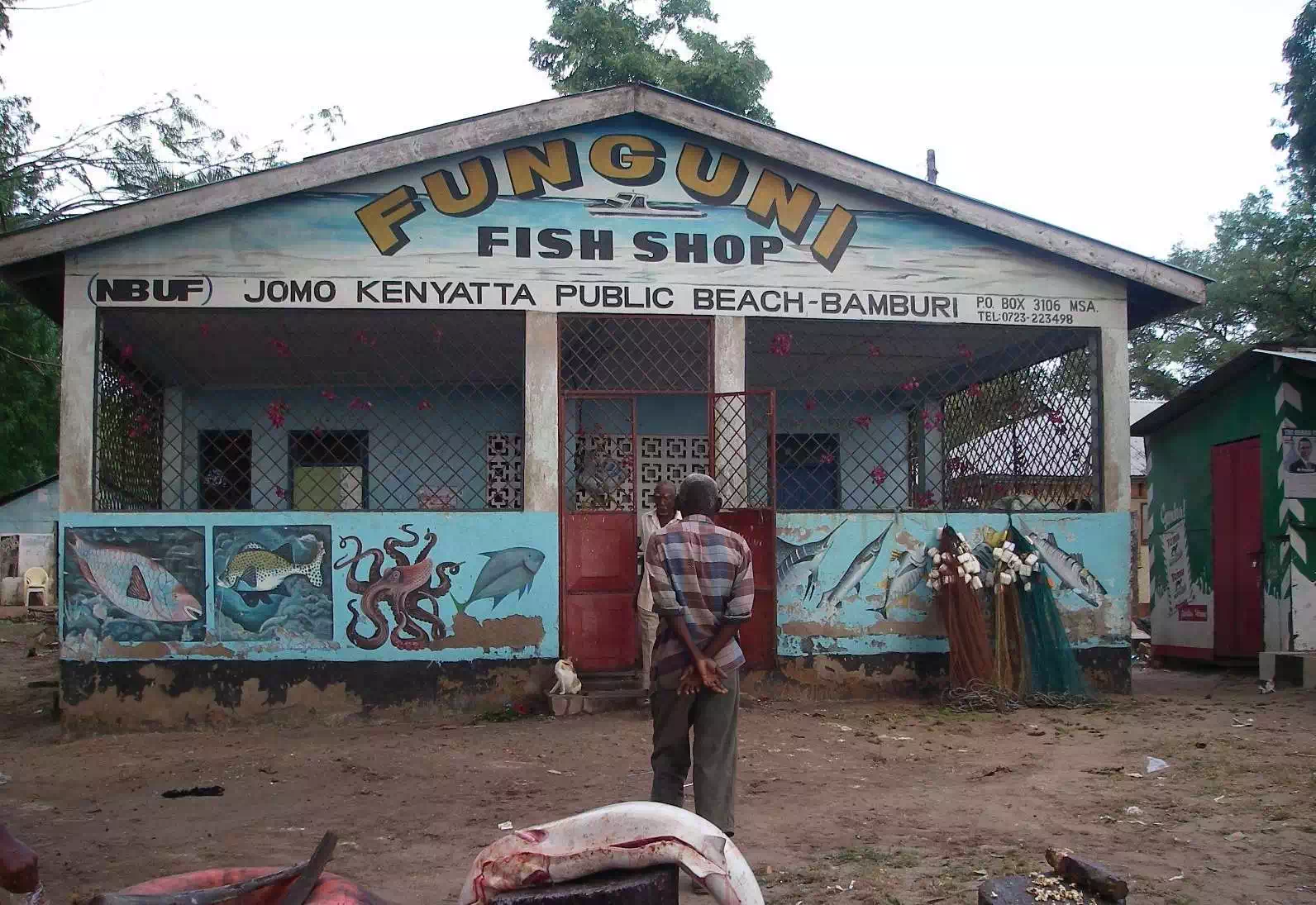
Fishmonger shops in Mombasa are an essential part of the city's vibrant food scene, reflecting the coastal region's rich fishing heritage. Mombasa, as Kenya's major port city, has a thriving fish market and numerous fishmongers offering a wide variety of fresh seafood. Here's an overview of what you can expect from fishmonger shops in Mombasa:
Types of Fish and Seafood
Local Fish: Commonly found fish include snapper (red and white), barracuda, groupers, and tilapia. These are often caught fresh from the Indian Ocean.
Shellfish: You can also find a range of shellfish such as prawns, lobsters, crabs, and various types of clams and mussels.
Exotic Varieties: Some shops may offer imported varieties or specialty seafood, depending on their clientele and supply chain.
Popular Fishmonger Areas and Shops
Mombasa Fish Market (Mombasa Tusks Fish Market):
Location: Near the central business district of Mombasa, close to the iconic Tusks monument.
Description: This is one of the largest and most bustling fish markets in Mombasa. It features numerous stalls selling a wide variety of fresh fish and seafood, as well as other market goods. It’s a great place to experience the local hustle and bustle and find fresh catches of the day.
Mtwapa Fish Market:
Location: In the town of Mtwapa, north of Mombasa.
Description: Mtwapa is another significant market area with a variety of fishmongers. It is well-known for its fresh seafood and is popular among locals and visitors alike.
Nyali Fish Market:
Location: In the Nyali area, which is known for its upscale residential areas and proximity to the beach.
Description: This market caters to both locals and tourists and offers a wide range of fresh fish and seafood. It’s a convenient option for residents and those staying in the Nyali area.
Shanzu Fish Market:
Location: In Shanzu, another coastal area of Mombasa.
Description: Shanzu Fish Market provides fresh seafood and is frequented by both locals and tourists. It is known for its variety and quality.
Shopping Tips
Freshness: Check for the freshness of the fish by looking for clear eyes, shiny skin, and a fresh sea smell. The fish should not have a strong, unpleasant odor.
Negotiation: Prices can often be negotiated, especially in local markets. Don’t hesitate to haggle a bit, as this is common practice.
Preparation: Some fishmongers will clean and fillet the fish for you if you ask. This can save time and ensure that you get the exact cut you want.
Food Culture and Dining
Local Cuisine: Fish is a staple in coastal Kenyan cuisine. Popular dishes include grilled or fried fish, fish curry, and traditional Swahili recipes like sambusa (fish-filled pastries) and pilau (spiced rice with fish).
Restaurants: Many local restaurants and beachside eateries in Mombasa source their fish from these markets, so you can enjoy fresh seafood dishes throughout the city.
Sustainability and Conservation
Overfishing Concerns: Like many coastal regions, Mombasa faces challenges related to overfishing and sustainability. Some fishmongers and markets are working towards more sustainable practices, including sourcing from responsible fisheries and promoting conservation efforts.
Visiting fishmonger shops in Mombasa offers a glimpse into the local culture and cuisine, and it’s a great way to experience the fresh, diverse seafood that is central to the coastal lifestyle. |