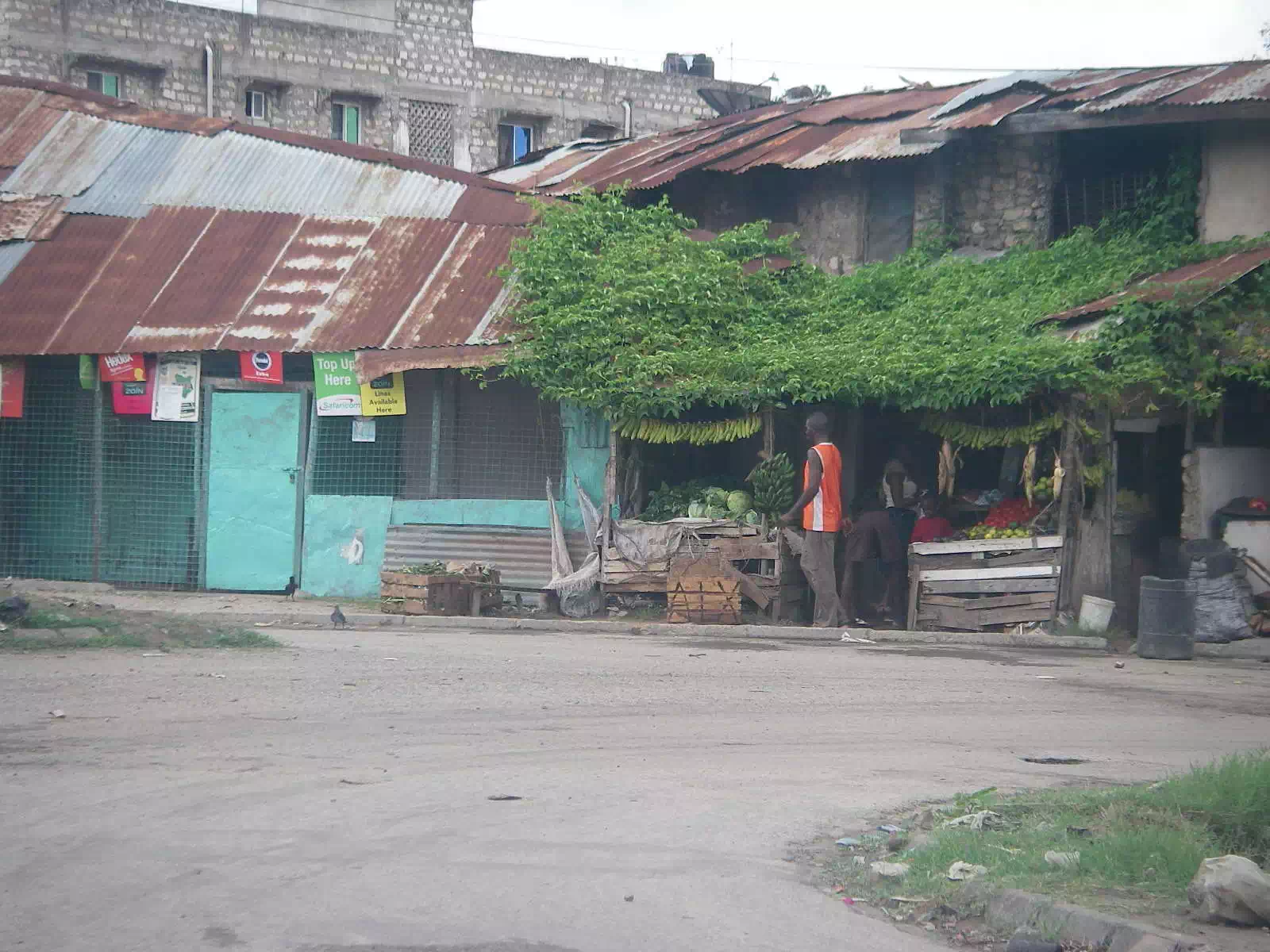
Backstreet local tin shack shops in Mombasa, often referred to as "kibandas," are a quintessential part of the city’s vibrant informal economy. These small, often corrugated iron or tin-constructed shops are spread throughout Mombasa, particularly in the more densely populated and less affluent areas. Here’s a closer look at what you can expect from these local businesses:
Characteristics of Tin Shack Shops
Structure and Design:
Construction: These shops are usually built from corrugated iron or tin, giving them a distinctive, rustic appearance. The construction is typically makeshift, with minimal foundation and basic materials.
Size: They are generally small, often no larger than a few square meters. Many are designed to be easily assembled or disassembled, allowing for flexibility in the informal economy.
Products and Services:
Diverse Offerings: The products and services offered can vary widely. Common items include groceries, snacks, beverages, household goods, and personal items. Some shops also offer basic services such as phone charging, small-scale repairs, or basic medical supplies.
Local Specialties: In some areas, these shops might sell local delicacies or specialized items catering to the community’s specific needs.
Customer Experience:
Community Focused: These shops often cater to the local community and are known for their personalized service. Shopkeepers are usually familiar with their customers and often offer credit or barter arrangements.
Affordable Prices: The prices at these shops are typically lower than those in formal retail outlets, making them a vital resource for residents with limited budgets.
Economic and Social Impact
Employment:
Local Employment: Tin shack shops provide employment opportunities for many locals who might not have access to more formal job markets. They often serve as a livelihood for individuals and families.
Economic Role: They play a significant role in the informal economy of Mombasa, contributing to the city’s overall economic activity.
Accessibility:
Convenience: Located in various neighborhoods, these shops are easily accessible and serve as convenient points of purchase for everyday necessities. Their presence helps to bridge the gap between formal retail outlets and underserved areas.
Flexibility: The informal nature of these shops allows them to quickly adapt to changes in local demand or supply shortages.
Social Interaction:
Community Hubs: These shops often serve as social hubs where community members gather, chat, and exchange news. They contribute to the social fabric of their neighborhoods.
Challenges
Regulatory Issues:
Lack of Regulation: Because they operate in the informal sector, these shops might not always adhere to formal business regulations or safety standards. This can occasionally lead to issues with product quality or consumer protection.
Permits and Licensing: Many of these shops operate without official permits or licenses, which can sometimes lead to conflicts with local authorities.
Infrastructure:
Basic Facilities: The basic nature of the structures means that they may lack amenities such as running water, proper sanitation, or reliable electricity. This can affect the quality of goods and services offered.
Economic Vulnerability:
Market Fluctuations: Shopkeepers in this sector are often vulnerable to market fluctuations, supply chain disruptions, and changes in local economic conditions. |