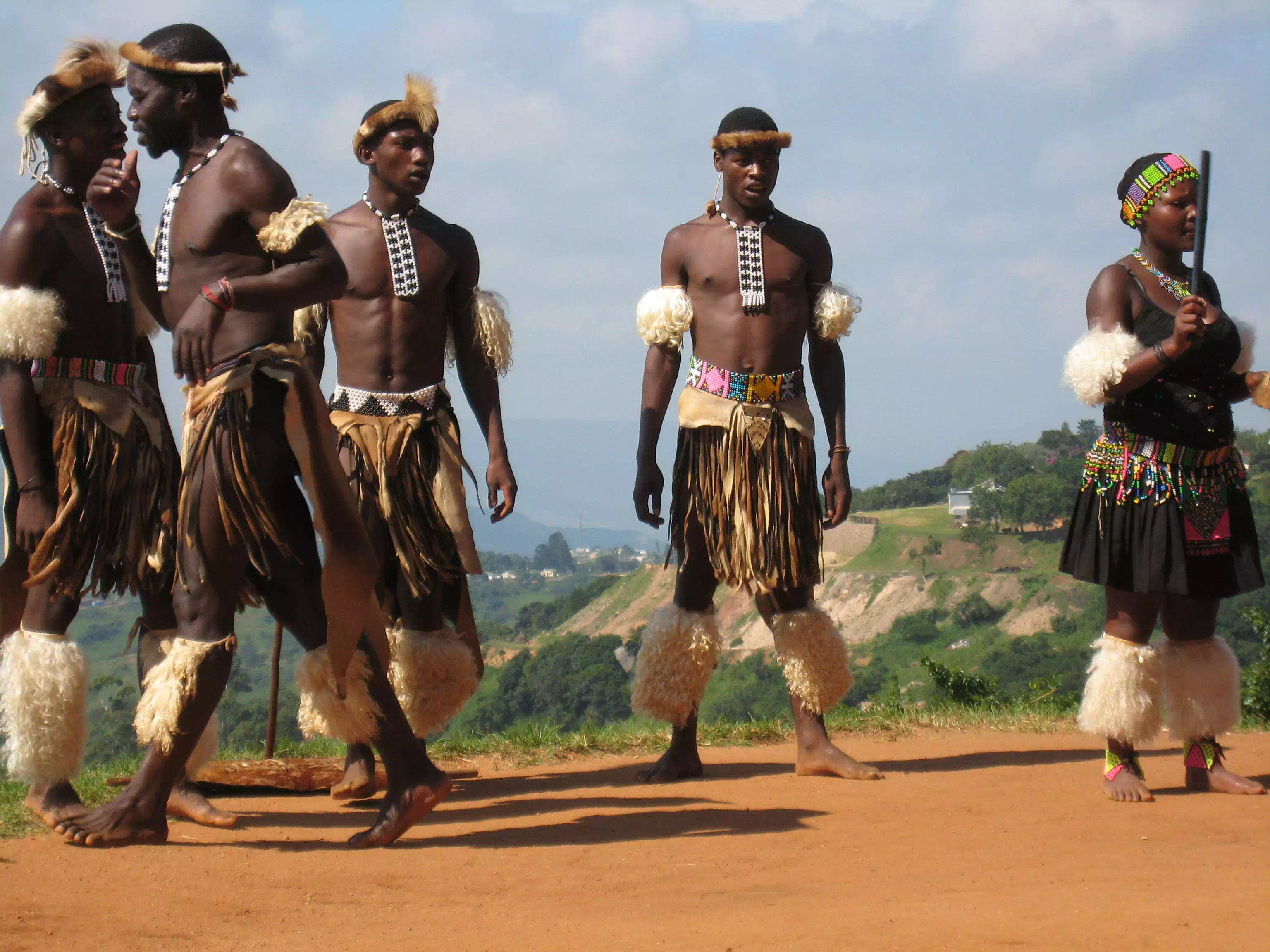
Mombasa is rich in cultural diversity and heritage, particularly influenced by its long history as a trading hub that has connected Africa with the Middle East, India, and beyond. This cultural melting pot is vividly reflected in the local dances, which are an integral part of the community's social and ceremonial life.
1. Swahili and Coastal Influence
The predominant culture in Mombasa is Swahili, a blend of African, Arab, Persian, and Indian influences. This mix is evident in the local music and dance styles, which are characterized by rhythmic drumming, melodic tunes, and graceful movements.
Key Traditional Dances:
Chakacha:
Origin and Style: Chakacha is a traditional Swahili dance that is popular along the Kenyan coast, particularly among the Mijikenda communities. It is a sensual and energetic dance performed mainly by women, involving hip-shaking and elaborate movements that celebrate femininity and cultural identity.
Occasions: Chakacha is often performed during weddings, initiation ceremonies, and other celebrations. The dance is accompanied by rhythmic drumming and singing, creating a festive and communal atmosphere.
Ngoma:
Origin and Style: "Ngoma" is a general term used along the Swahili coast to refer to traditional dances and drumming sessions. Different communities have their versions of Ngoma, which typically involve both men and women. The dance movements are synchronized with the beats of drums, often accompanied by singing and clapping.
Occasions: Ngoma dances are performed during a variety of cultural events, including weddings, funerals, and religious festivals. The style and form of the dance can vary depending on the specific community and the occasion.
Dodo:
Origin and Style: The Dodo dance is traditional to the Digo community, one of the Mijikenda groups residing along the coast. It is a dance of storytelling and is usually performed by both men and women. The dancers move in a circle, often singing songs that recount historical events, social issues, or moral lessons.
Occasions: This dance is performed during important communal gatherings, such as rites of passage, and is a way of passing down cultural knowledge and traditions to younger generations.
Taarab Dance:
Origin and Style: Taarab music and dance have deep roots in Mombasa, influenced by Arab and Indian musical traditions. Taarab is characterized by its poetic lyrics, melodic tunes, and a blend of traditional instruments like the oud (a lute-like instrument) and qanun (a type of zither). The dance associated with Taarab is graceful and expressive, often involving hand and arm movements that complement the music's emotional tone.
Occasions: Taarab performances are common at weddings, social gatherings, and cultural festivals. The music and dance are often seen as a symbol of sophistication and cultural refinement in the Swahili community.
2. Modern and Contemporary Influence
In addition to traditional dances, Mombasa has embraced modern dance forms influenced by contemporary music genres such as Benga, Hip-Hop, and Reggae. These modern dance styles often blend traditional movements with new ones, creating a dynamic cultural expression that resonates with the youth.
Goma la Mduara: A popular modern dance that combines traditional Chakacha movements with influences from Congolese rumba and local Benga music. The dance is characterized by energetic hip movements and is popular in social settings, particularly nightclubs and festivals.
Street Dance and Hip-Hop: Mombasa's youth culture is vibrant, and street dance forms like Hip-Hop have gained popularity. These modern styles are often showcased during festivals, talent shows, and in informal gatherings, reflecting the city's dynamic and evolving cultural landscape.
3. Festivals and Cultural Celebrations
Mombasa is home to several cultural festivals where traditional and modern dances are prominently featured:
Mombasa Carnival: An annual event that celebrates the city's rich cultural diversity. The carnival features colorful parades, traditional dances, and music performances, providing a platform for various communities to showcase their cultural heritage.
Lamu Cultural Festival: Although held on the nearby island of Lamu, this festival attracts many from Mombasa and showcases Swahili culture, including traditional dances, Taarab music, and dhow races.
4. Cultural Preservation and Tourism
The traditional dances of Mombasa are not only cultural treasures but also important attractions for tourism. Cultural centers and hotels often host performances for visitors, helping to preserve and promote these traditions. The Kenyan government and local organizations also support initiatives aimed at safeguarding intangible cultural heritage, including dance. |