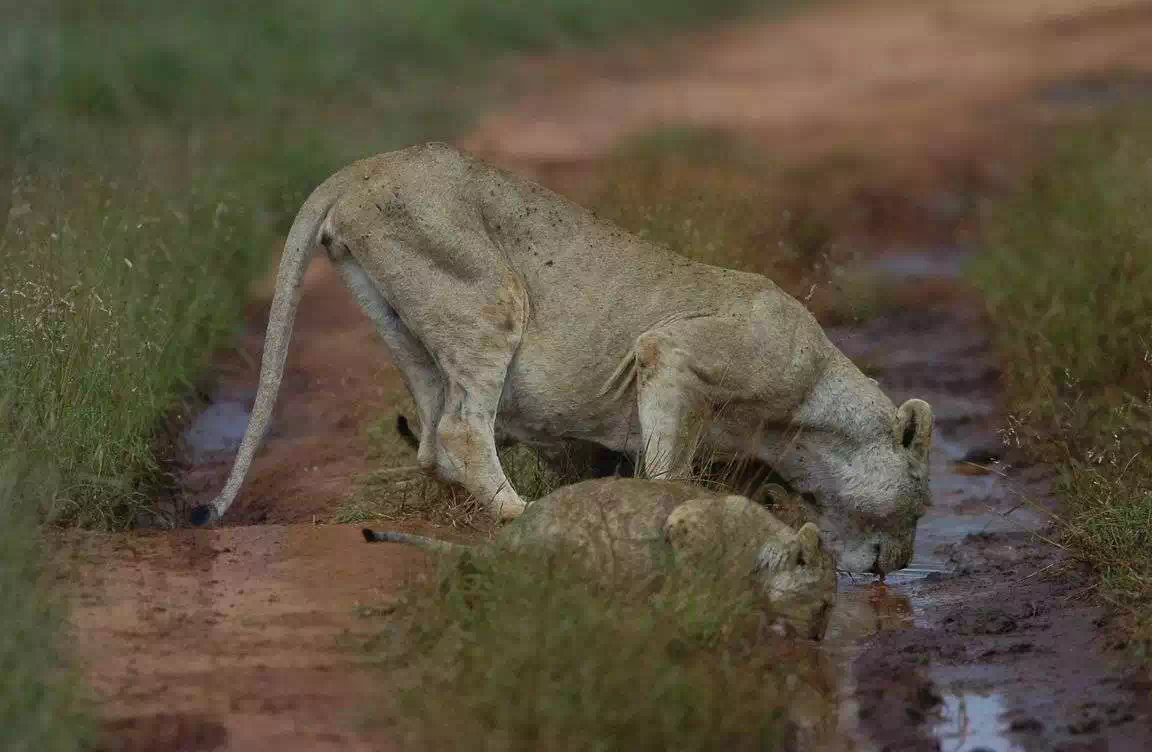
Lion families, often referred to as prides, are a central aspect of Kenya’s wildlife and are a significant draw for tourists visiting the country’s national parks and reserves. Lions are the most social of the big cats, living in structured family groups, and Kenya is home to some of Africa’s most famous lion populations.
Structure of a Lion Pride
Composition: A typical lion pride consists of related females (usually sisters, mothers, and daughters), their cubs, and a small number of adult males, usually brothers or close relatives.
Size: Prides can range in size from as few as three lions to more than 30, depending on the availability of food, territory size, and other environmental factors.
Roles within the Pride:
Females: The lionesses are the core of the pride, responsible for hunting, raising cubs, and protecting the territory. They form lifelong bonds and are the primary caretakers of the cubs.
Males: Adult males are primarily responsible for defending the pride from other males. They also patrol the territory, fend off rivals, and mate with the females. A coalition of males, often brothers, may control a pride, which strengthens their ability to defend the pride.
Cubs: The cubs are nurtured and raised collectively by the females in the pride. Lionesses often synchronize births, which allows for communal nursing and care of the young.
Hunting and Feeding
Hunting Strategy: Lionesses usually hunt together, employing teamwork to take down prey. They typically hunt at night or early in the morning. Common prey includes herbivores like zebras, wildebeests, buffaloes, and antelopes.
Feeding Hierarchy: After a successful hunt, the pride’s feeding hierarchy is quite strict. Adult males usually eat first, followed by the females and then the cubs. However, the females, who do the hunting, often ensure that their cubs get a share of the food.
Key Lion Populations in Kenya
Masai Mara: The Masai Mara National Reserve is perhaps the best-known location for observing lion families in Kenya. The reserve is famous for its large prides, which are often seen lounging in the open savanna or under the shade of acacia trees. The Mara is also renowned for the annual Great Migration, where millions of wildebeests and zebras move across the plains, providing ample prey for the resident lions.
Amboseli National Park: Known for its iconic views of Mount Kilimanjaro, Amboseli is home to several lion prides. The park's open landscapes make it easier to spot lion families as they move across the plains or rest in the shade of the occasional tree.
Tsavo National Parks (East and West): Tsavo is Kenya’s largest national park and hosts numerous lion prides. Tsavo lions are historically famous for their role in the "Man-Eaters of Tsavo" incident during the construction of the Kenya-Uganda railway in the late 19th century. Tsavo lions are also noted for their unique physical characteristic: males often have shorter and sparser manes, possibly due to the hotter climate.
Samburu National Reserve: Samburu is home to the unique "Lion King" pride, made famous by documentaries. The lions here are known to hunt in the more rugged, semi-arid terrain and exhibit different behaviors compared to those in the more open plains of the Mara.
Behavior and Social Dynamics
Territoriality: Lions are highly territorial, and prides occupy and defend specific territories that can cover hundreds of square kilometers. Male lions mark their territory by roaring, scent-marking with urine, and engaging in physical confrontations with intruders.
Reproduction: When a new male coalition takes over a pride, they often kill the existing cubs to bring the lionesses into estrus more quickly, allowing them to sire their offspring. Females typically give birth to a litter of 2-4 cubs after a gestation period of about 110 days.
Cooperative Rearing: Lionesses within a pride often give birth around the same time and will collectively care for all the cubs, a behavior known as cooperative rearing. This increases the survival rate of the cubs.
Conservation Status and Challenges
Threats: Lions in Kenya face several threats, including habitat loss due to human encroachment, conflicts with humans (especially pastoralists), and poaching. The decline in prey species also affects lion populations.
Conservation Efforts: Various conservation organizations and initiatives work to protect lions in Kenya. These include anti-poaching efforts, community conservation programs that engage local populations in wildlife protection, and habitat restoration projects.
Human-Wildlife Conflict: One of the major conservation challenges is the conflict between lions and humans, especially in areas where livestock farming is prevalent. Programs like Lion Guardians, which train local communities to monitor and protect lions, have been instrumental in reducing such conflicts.
Cultural Significance
Symbol of Power: Lions hold a significant place in Kenyan culture and are often seen as symbols of strength, courage, and royalty. The lion is also a national symbol of Kenya and is featured prominently on the coat of arms.
Interesting Facts
Roaring: A lion’s roar can be heard up to 8 kilometers away and is used to communicate with other members of the pride and to ward off rivals.
Mane: The male lion’s mane is not just for show; it serves as a signal of health and virility to females and as protection during fights with other males.
Lifespan: In the wild, lions live for about 10-14 years, but they can live longer in captivity.
Lions are an integral part of Kenya’s rich wildlife heritage. The country’s conservation efforts are crucial in ensuring that these majestic creatures continue to thrive in their natural habitats, allowing future generations to witness the extraordinary dynamics of lion families in the wild. |