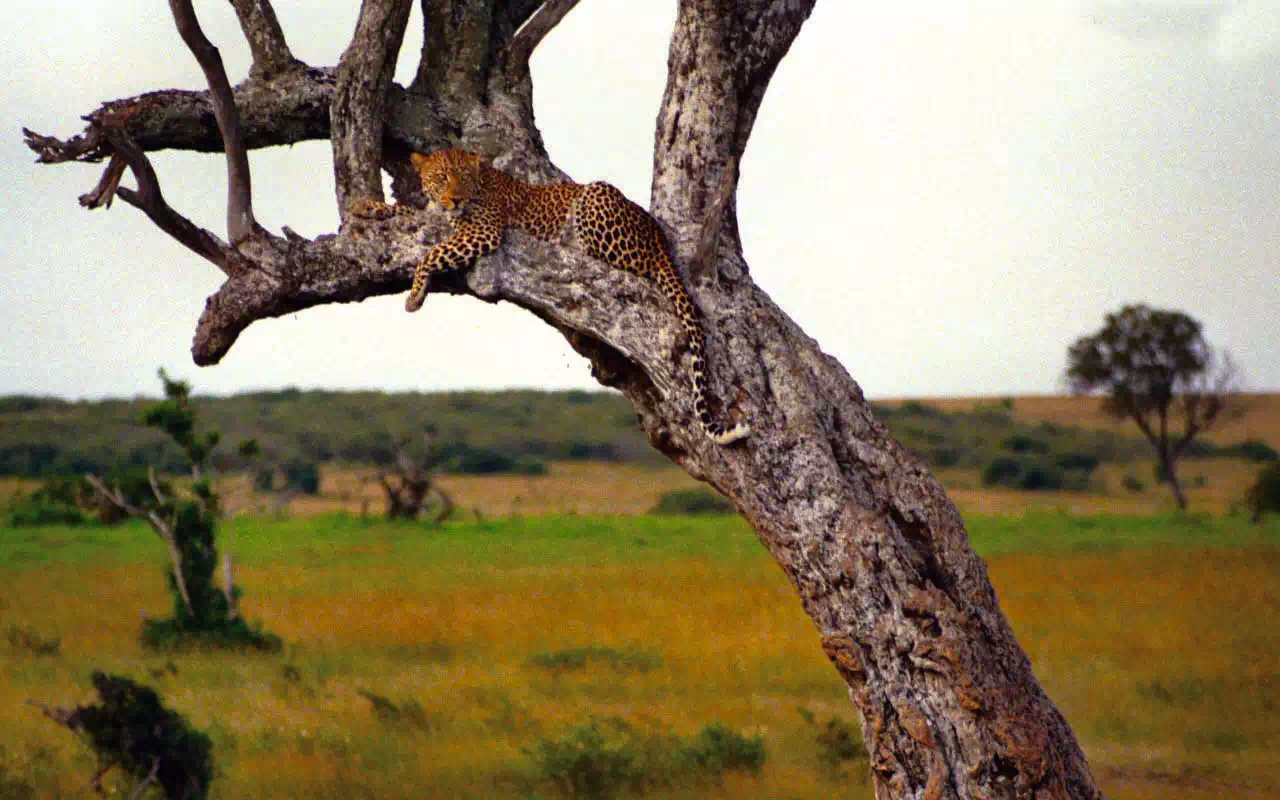
Leopards in Kenya are among the country's most iconic and elusive wildlife, known for their grace, power, and adaptability. These big cats are a key part of Kenya's diverse ecosystem and a major attraction for wildlife enthusiasts and safari-goers. Here’s an overview of leopards in Kenya:
General Characteristics
Scientific Name: Panthera pardus
Appearance: Leopards are medium-sized big cats with a distinctive coat of golden-yellow fur covered in black rosettes (rose-like spots). They have a robust build, powerful limbs, and a long tail, which aids in balance during climbing or running.
Behavior: Leopards are solitary and primarily nocturnal, which makes them difficult to spot during the day. They are highly territorial, and each individual maintains and defends its own range.
Habitat
Range: Leopards are incredibly adaptable and can be found in a variety of habitats across Kenya, including savannas, forests, mountains, and even semi-deserts.
Key Locations in Kenya:
Masai Mara: Known for its rich wildlife, the Masai Mara is one of the best places to see leopards in Kenya. They often hunt at dawn and dusk, and sightings are most common along the forested riverbanks and rocky outcrops.
Laikipia Plateau: This area offers excellent leopard sightings, often due to conservation efforts and the presence of private wildlife reserves.
Aberdare National Park: Dense forests and rugged terrain make this park a prime leopard habitat. However, the thick vegetation can make sightings rare.
Tsavo National Park: Both Tsavo East and West are home to leopards, though the vastness of the park means they can be hard to spot.
Samburu National Reserve: Leopards here are sometimes seen resting in the branches of acacia trees or near rocky kopjes (hills).
Diet and Hunting
Diet: Leopards are carnivores and highly opportunistic hunters. Their diet mainly consists of medium-sized ungulates (like impalas and gazelles), but they also prey on birds, monkeys, rodents, and sometimes domestic livestock.
Hunting Technique: Leopards rely on stealth and surprise to catch their prey. They are adept climbers and often drag their kills up into trees to protect them from scavengers like hyenas and lions.
Conservation Status
IUCN Status: Leopards are listed as "Vulnerable" on the International Union for Conservation of Nature (IUCN) Red List, mainly due to habitat loss, human-wildlife conflict, and poaching.
Threats in Kenya: The primary threats include habitat fragmentation due to agricultural expansion, human encroachment, and illegal hunting for their skins. Human-leopard conflict, especially with pastoralist communities, is also a significant issue.
Conservation Efforts: In Kenya, numerous conservation programs are working to protect leopard populations. National parks and reserves provide safe habitats, while organizations like the Kenya Wildlife Service (KWS) and various NGOs work on mitigating human-wildlife conflict and promoting leopard conservation.
Cultural Significance
Folklore and Symbolism: Leopards hold significant cultural importance in various Kenyan communities. They are often seen as symbols of power, bravery, and cunning. In some cultures, the leopard’s skin is used in ceremonial attire, although this practice has declined due to conservation awareness.
Leopard Sightings
Best Time to See: The dry season (June to October) is generally the best time for leopard sightings in Kenya, as animals tend to congregate around water sources, making them easier to spot. Early morning and late afternoon are the best times for game drives focused on finding leopards.
Behavior to Watch For: Leopards are often seen resting in trees during the day, where they seek refuge from the heat and watch for potential prey. At night, they become more active and can be observed stalking or feeding.
Interesting Facts
Camouflage: The leopard’s spotted coat provides excellent camouflage in the dappled light of forests and the savanna, making it a master of stealth.
Longevity: In the wild, leopards typically live up to 12-15 years, though they can live longer in captivity.
Adaptability: Leopards are among the most adaptable of the big cats, thriving in a wide range of environments, from tropical rainforests to arid deserts.
Leopards in Kenya are a testament to the country’s rich biodiversity and are a key species in the ecosystem. They continue to fascinate and draw attention both for their beauty and the conservation challenges they face. |