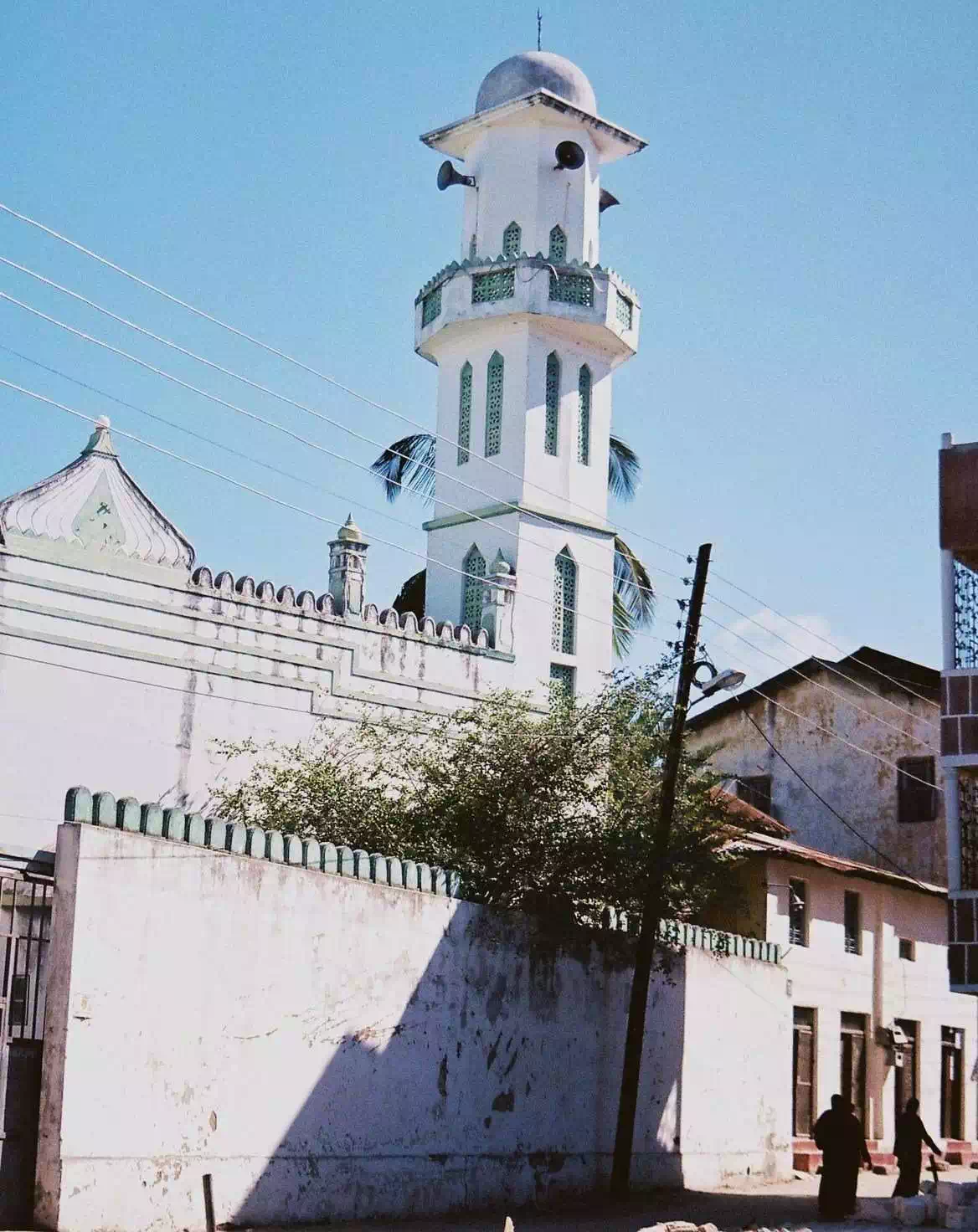
The history of mosques in Kenya is intertwined with the broader history of Islam in the region, which has deep roots extending back to the early centuries of Islamic expansion. Here’s an overview of the historical development of mosques in Kenya:
Early Introduction of Islam
Pre-Colonial Era:
Arrival of Islam: Islam was introduced to the Kenyan coast by Arab traders and explorers from the 7th century onwards. The Swahili Coast, which includes parts of present-day Kenya, was an important center for trade between Africa, the Arabian Peninsula, and the Indian subcontinent.
Early Mosques: The earliest mosques in Kenya were established in coastal towns such as Mombasa, Lamu, and Malindi. These towns were crucial trade hubs and cultural centers where Islam and its practices began to take root.
Swahili City-States:
Growth of Islam: By the 10th century, Islam had become well established in the coastal city-states of the Swahili Coast. Mosques in these cities, such as the Great Mosque of Mombasa (built in the 12th century) and the Friday Mosque of Lamu, played central roles in both religious and community life.
Architectural Influence: The architectural styles of these early mosques often reflected a blend of Swahili, Arab, and Persian influences, characterized by coral stone construction, elaborate carvings, and large courtyards.
Colonial and Post-Colonial Period
Colonial Era (Late 19th Century - 1963):
Impact of Colonization: During the late 19th and early 20th centuries, Kenya came under British colonial rule. The colonial period saw the construction of new mosques, especially in urban areas like Nairobi and Mombasa, as well as in towns with significant Muslim populations.
Development: The colonial government’s policies towards religious institutions varied, but many mosques continued to flourish and expand their services, including educational and social programs.
Post-Independence Era (1963 - Present):
Expansion and Modernization: After Kenya gained independence in 1963, there was a significant expansion in the construction and development of mosques. This period saw the building of numerous new mosques and the renovation of existing ones.
Diverse Contributions: The growth of the Muslim community in Kenya led to the establishment of mosques in both urban and rural areas. Various styles emerged, reflecting local influences and modern architectural trends.
Community and Education: Many mosques in Kenya also serve as centers for community activities, education, and social services. They play a role in providing religious education, such as Qur'anic studies and Islamic jurisprudence, as well as social services like charity work and health programs.
Notable Mosques
Great Mosque of Mombasa:
History: One of the oldest mosques on the East African coast, with roots dating back to the 12th century.
Features: Known for its distinctive coral stone architecture and historical significance.
Lamu Old Mosque:
History: Located in Lamu, one of the oldest Swahili towns, with a mosque that has been an integral part of the community for centuries.
Features: Reflects traditional Swahili architecture and is a key landmark in Lamu’s historic town.
Masjid Noor Nairobi:
History: A prominent mosque in Nairobi, reflecting the growth and diversity of the Muslim community in Kenya’s capital.
Features: Modern architecture and a central role in Nairobi’s Muslim community.
Modern Context
Interfaith Relations: In contemporary Kenya, mosques continue to play a crucial role in promoting interfaith dialogue and community cohesion, especially in multicultural urban centers.
Cultural Heritage: Mosques in Kenya are not only places of worship but also important cultural and historical landmarks that reflect the rich heritage of Islam in East Africa.
Overall, the history of mosques in Kenya mirrors the broader history of Islam in the region, showcasing a rich tradition of religious practice and cultural exchange that has evolved over centuries. |