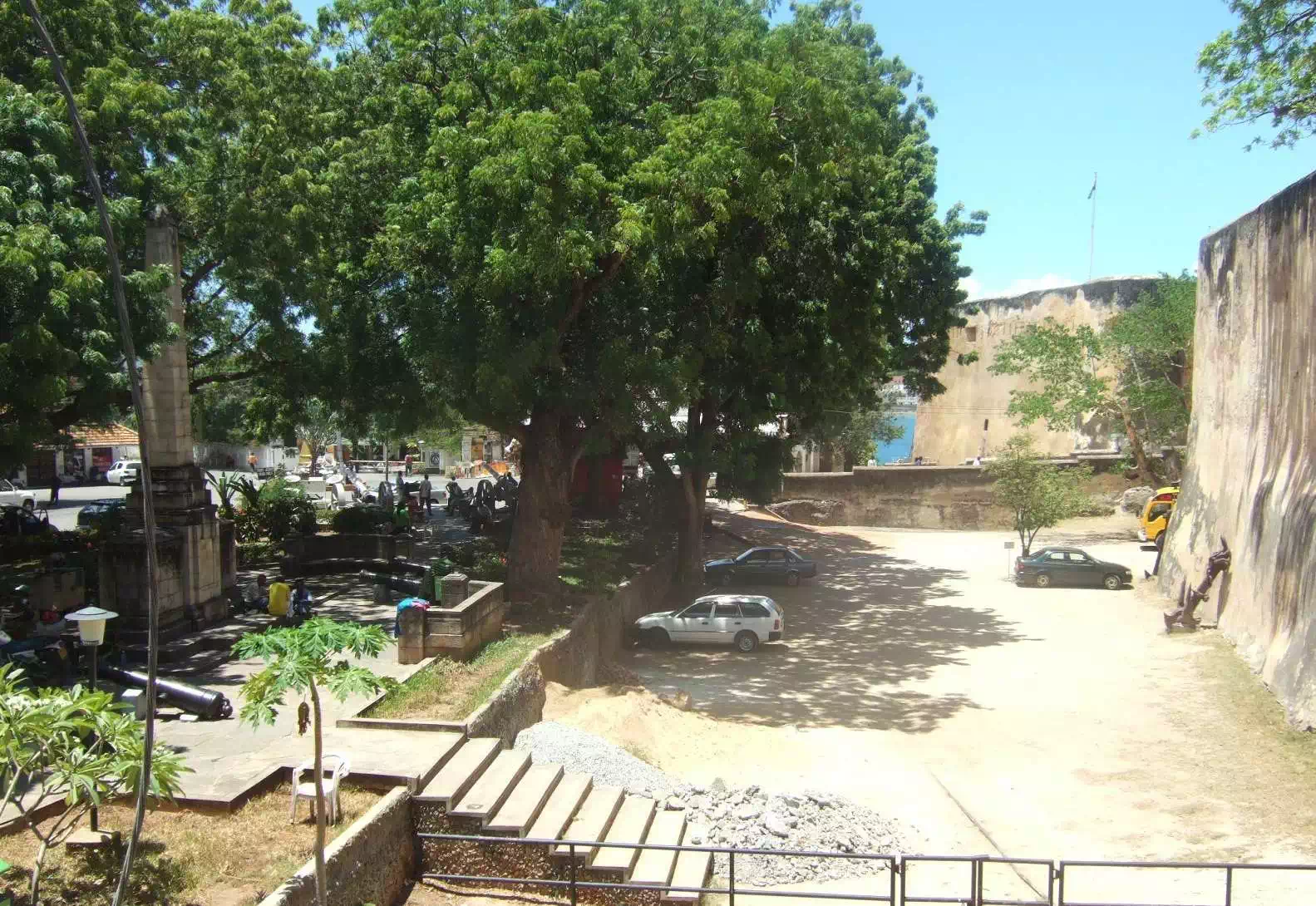
Fort Jesus is a historic fortification located in Mombasa, Kenya. It is a key landmark in East African history, renowned for its architectural and cultural significance. Here’s a detailed overview of what you can explore within the grounds of Fort Jesus:
Historical Background
Construction: Fort Jesus was built by the Portuguese between 1593 and 1596 to protect their trade route to India and safeguard their interests in the Indian Ocean. The fort was designed by Giovanni Battista Cairati, an Italian architect.
Historical Significance: The fort has witnessed numerous sieges and changes in control over the centuries. It was held by the Portuguese, the Omani Arabs, and the British, reflecting the strategic importance of Mombasa as a trade hub.
Key Areas to Explore
Fortifications and Walls:
The fort’s impressive defensive walls and bastions are a prominent feature. The fort's layout includes triangular bastions at each corner and thick walls designed to withstand attacks.
Museum:
Exhibits: The Fort Jesus Museum, managed by the National Museums of Kenya, houses a collection of artifacts that span the fort's history, including pottery, weapons, and tools from different periods of its use.
Displays: There are displays on the fort's architecture, the history of the various cultures that occupied it, and the impact of trade on the region.
The Chapel:
A small chapel inside the fort reflects the Portuguese colonial influence. It’s one of the few remaining features from the Portuguese era.
The Prison:
The fort was used as a prison during various periods. The prison area provides insight into the conditions faced by prisoners during different eras.
Archaeological Finds:
Various archaeological digs have uncovered artifacts and structures within the fort’s grounds, offering a deeper understanding of the daily life and military strategies used at different times.
Views from the Bastions:
Climbing the bastions offers panoramic views of Mombasa’s coastline and the Indian Ocean. The elevated vantage points provide excellent opportunities for photography and appreciation of the fort’s strategic location.
The Main Courtyard:
The central courtyard of the fort is a large open space where you can see the remains of old buildings and storage areas. It’s also a place where historical reenactments and cultural events are sometimes held.
Cannon Placement:
The fort is dotted with old cannons that were used for defense. These cannons are positioned to overlook the surrounding waters and are a reminder of the fort’s military past.
The Artillery Museum:
Located within the fort, this museum features exhibits related to the military history of the fort, including different types of artillery and military equipment used over the centuries.
Tips for Visitors
Guided Tours: Consider taking a guided tour to get detailed historical context and insights about the fort’s past and its significance.
Wear Comfortable Shoes: The fort’s grounds involve a lot of walking, including climbing stairs and exploring uneven surfaces.
Photography: Fort Jesus is a great place for photography, so bring a camera to capture its historical features and scenic views.
Local Culture: Engage with local guides or staff to learn more about the cultural significance of the fort and its role in the history of Mombasa.
Fort Jesus is not only a historical site but also a vibrant cultural landmark that offers a fascinating glimpse into the region's past and its strategic importance over the centuries. |